
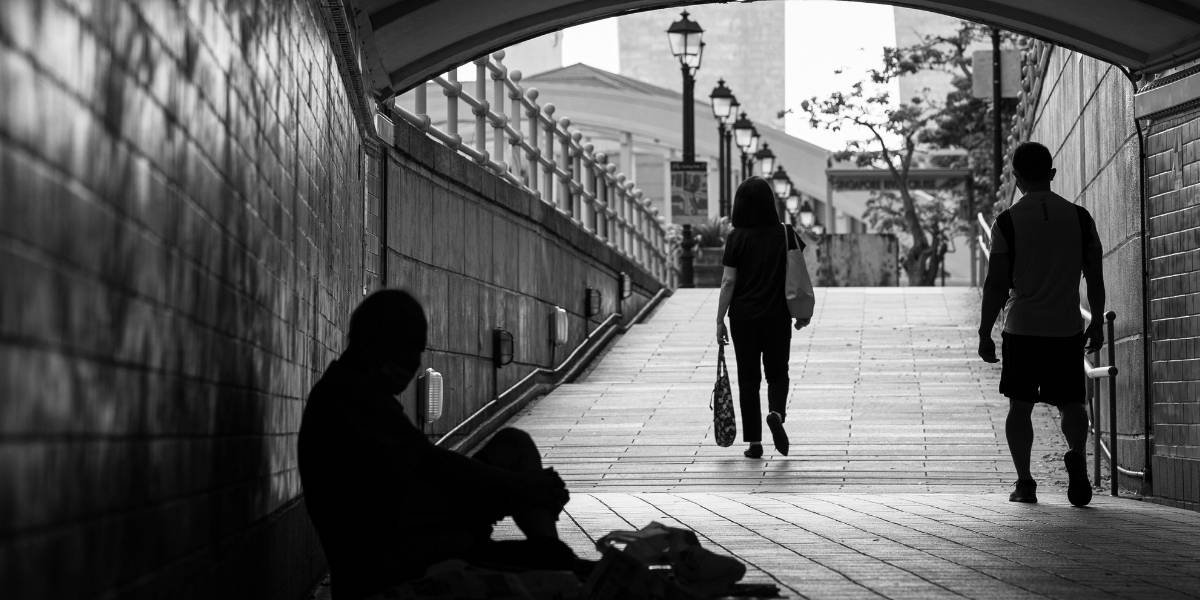
Unsheltered homelessness in California fell an estimated 12.8% between 2024 and 2026, preliminary figures released October 28 show. Yet Los Angeles County recorded an increase, while San Joaquin County reported a substantial decline. The regional differences highlight what the statewide count measures, where its limits lie and how housing programs fit into the picture.
Key Takeaways
- California estimates a 12.8% decline in unsheltered homelessness since 2024, including a 6.5% decrease from 2025 to 2026.
- Thirty-seven of California’s 44 reporting regions conducted new unsheltered counts in 2026. The state reused earlier figures for seven others.
- Los Angeles County recorded a 3.3% increase in unsheltered homelessness, reaching an estimated 49,002 people.
- San Joaquin County reported a 47% reduction in its unsheltered population between 2024 and 2026.
- California reported Homekey+ awards covering 2,905 permanent supportive homes, although not all funded homes are completed.
California officials released preliminary figures Wednesday, October 28, showing an estimated 12.8% decrease in people experiencing unsheltered homelessness compared with 2024. The state also estimates a 6.5% decrease from 2025, marking two consecutive annual declines in its statewide measure.
The results do not describe a uniform trend across the entire state. Los Angeles County’s January count rose, while San Joaquin County recorded far fewer people living outdoors. Regional figures and counting methods offer important context for interpreting the statewide estimate.
California Estimates a 12.8% Drop in Unsheltered Homelessness
California has 44 local Continuums of Care, regional groups that coordinate homelessness services and submit data for federal review. Thirty-seven conducted new unsheltered counts in 2026. The state reused the latest available figures for seven regions that did not conduct new counts.
State officials said the 37 reporting regions represented nearly 90% of California’s unsheltered population in 2025. Across those regions, new counts showed a 7.3% reduction compared with the previous counts, which were conducted in either 2024 or 2025. That figure is not strictly a single-year statewide change.
Across all 44 regions, California estimated a 6.5% year-over-year decline in unsheltered homelessness and a 3.4% decline in total homelessness. Over the full 2024-to-2026 period, the preliminary figures indicate decreases of 12.8% and 6%, respectively.
Unsheltered homelessness generally refers to people sleeping outdoors, in vehicles or in places not intended for habitation. Total homelessness also includes residents of emergency shelters and certain transitional housing programs. Changes in one category therefore cannot be treated as equivalent to changes in the other.
The federal government’s confirmed 2025 count identified 181,934 Californians experiencing homelessness. The Public Policy Institute of California reported that approximately 64% were unsheltered. California officials said the preliminary 2026 unsheltered estimate was slightly below the level recorded in 2019, although federal verification of the new figures remains pending.
Los Angeles Rises as San Joaquin County Records a Sharp Decline
Los Angeles County estimated 73,040 people experiencing homelessness in 2026, up 1.2% from the previous year. The Los Angeles Homeless Services Authority, or LAHSA, said the overall increase was not statistically significant. Its estimate of people living without shelter rose 3.3% to 49,002.
Within the City of Los Angeles, the unsheltered estimate increased 7.9% to 29,115. LAHSA associated the regional slowdown with reduced access to time-limited rental subsidies, which help households move into permanent housing.
New placements through those subsidies fell from 10,308 in 2024 to 6,590 in 2025. Permanent housing placements across the region declined from 28,625 to 23,532 over the same period. Those administrative figures measure the rehousing system, not the number of people newly counted outdoors.
LAHSA interim chief executive Gita O’Neill said “the system slowed, there was less upward movement in interim housing, and progress stalled.” The agency also found that 59% of newly unhoused survey respondents cited economic hardship as their primary cause of homelessness.
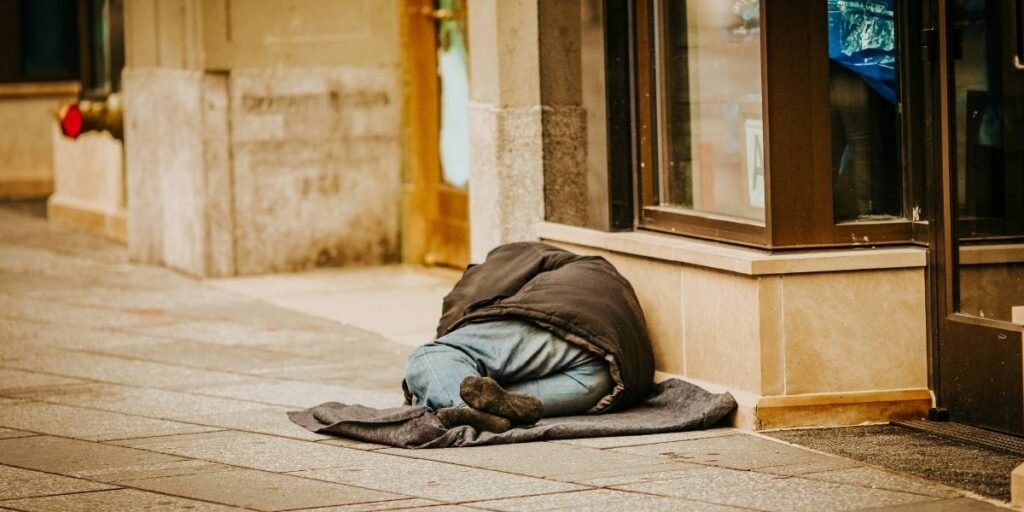
The availability of homes is a related concern. A separate report on stalled California affordable housing described nearly 40,000 approved units awaiting construction earlier in 2026. Those planned homes are distinct from the shelter and permanent housing placements measured by LAHSA.
San Joaquin County recorded a markedly different result. Its 2026 count identified 1,838 unsheltered residents, down from 3,469 in 2024, a 47% decline. The sheltered count rose from 1,263 to 1,468, while the combined homeless population fell from 4,732 to 3,306.
The San Joaquin Continuum of Care said roughly 1,300 permanent housing options became available between counts. The figure provides context about housing capacity but does not establish where every person counted in 2024 was living two years later.
Housing Programs and Counting Limits Complicate Comparisons
Point-in-Time counts capture people experiencing homelessness on a single winter night, usually in January. Outreach teams estimate the number sleeping outdoors or in vehicles, while shelter providers supply occupancy data. The count cannot measure everyone who experiences homelessness over an entire year.
The method has limitations. People staying in concealed locations may be missed, and some regions change their counting procedures. CalMatters reported that Fresno and Madera counties required people in the 2026 survey to confirm they were homeless and participate, unlike in the previous year. That makes direct comparisons difficult.
Changes between sheltered and unsheltered totals also require care. Moving into temporary shelter can reduce the outdoor count without ending homelessness. A person who relocates or is not observed can also disappear from one area’s count without a confirmed housing placement.
California has separately announced housing funds for supportive housing development. On October 26, the state reported that Homekey+ had awarded support for 2,905 permanent supportive homes since 2024, including 828 designated for veterans. Five newly announced projects, covering 329 homes, formed part of that cumulative figure.
The 2026–27 budget also designated $900 million for the Homeless Housing, Assistance and Prevention program, alongside California housing finance reforms enacted through Assembly Bill 179. This funding program differs from Homekey+ and cannot be directly equated with homes already open to residents.
Housing awards, completed units, shelter occupancy and permanent housing placements measure different stages of the response. The state’s preliminary count does not identify the extent to which any one program explains the 12.8% decline.
The U.S. Department of Housing and Urban Development must still review local submissions before issuing official results for 2026. Until then, California’s two-year decline remains a preliminary estimate based on new counts from most regions and carried-forward data from others.
Frequently Asked Questions
How much did unsheltered homelessness decline in California?
California’s preliminary estimates show unsheltered homelessness declined 12.8% between 2024 and 2026. The estimated decrease from 2025 to 2026 was 6.5%, according to the state’s October 28 announcement.
Why did Los Angeles County report an increase in homelessness?
LAHSA attributed the regional increase partly to reduced access to time-limited rental subsidies and slower permanent housing placements. The county recorded a 3.3% increase in its unsheltered population, although its 1.2% overall increase was not statistically significant.
How did San Joaquin County’s homelessness count change?
San Joaquin County reported a 47% reduction in unsheltered homelessness between 2024 and 2026, bringing the estimated population to 1,838. The county also recorded an increase in sheltered residents and a decline in total homelessness.
Are California’s 2026 homelessness figures final?
No. The statewide numbers are preliminary estimates combining new regional counts with previously reported figures from areas that did not conduct a new count. The U.S. Department of Housing and Urban Development has not yet finalized the 2026 results.