Planning the Menu Together
A successful Thanksgiving potluck begins with thoughtful planning. Coordinating dishes in advance ensures that the meal is balanced and that no two guests bring the same item. As Allrecipes explains, creating a sign-up sheet or shared list helps guests choose what to contribute while giving the host an overview of the menu. This approach prevents gaps, such as having multiple desserts but no vegetables.
The menu should include a mix of traditional favorites and lighter options. Turkey often serves as the centerpiece, but side dishes like stuffing, mashed potatoes, and cranberry sauce are equally important. Encouraging guests to bring dishes that reflect their own traditions can add variety and make the meal more personal.
Flexibility is also key. Some guests may prefer to bring store-bought items, while others enjoy cooking from scratch. Allowing both options ensures that everyone can participate comfortably, regardless of time or skill level.
Organizing the Space
The physical setup of the gathering plays a major role in how smoothly the potluck unfolds. Seating arrangements, serving stations, and table settings should be considered in advance. The Anthony Kitchen suggests designating a central area for food, with clear sections for appetizers, main dishes, sides, and desserts. This helps guests move easily through the line and prevents congestion.
Serving utensils should be provided for each dish to avoid confusion. Labeling items can also be helpful, especially for guests with dietary restrictions. Simple cards noting whether a dish contains nuts, dairy, or gluten can make the meal more inclusive.
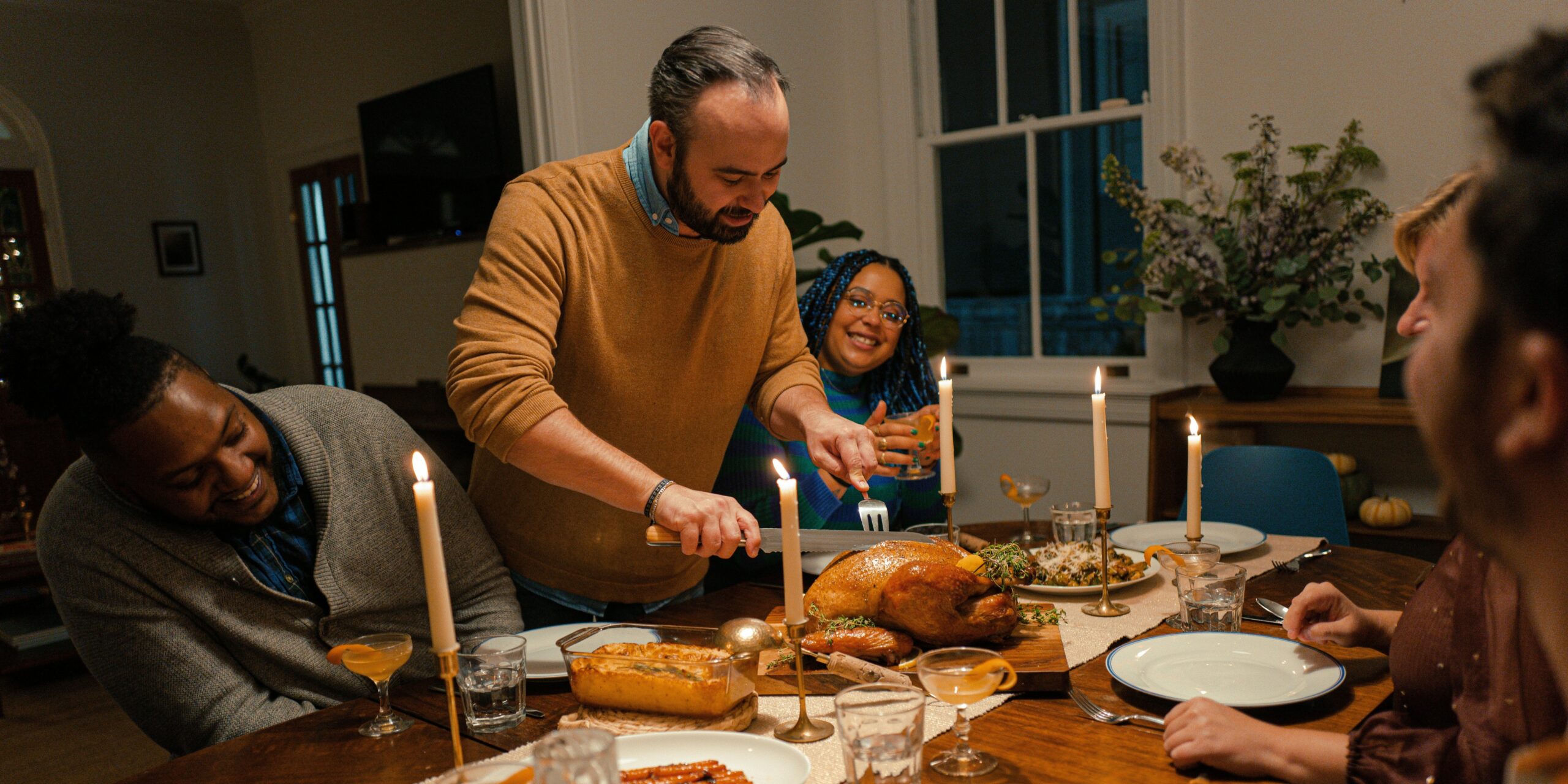
Creating a welcoming atmosphere doesn’t require elaborate decorations. Seasonal touches such as candles, autumn leaves, or simple centerpieces can set the tone without overwhelming the table. The goal is to create a space where guests feel comfortable and relaxed.
Balancing Responsibilities
Hosting a potluck means sharing responsibilities. While the host provides the space and coordinates logistics, guests contribute food and sometimes drinks or supplies. According to WikiHow, clear communication is essential. Letting guests know what to bring, when to arrive, and how to serve their dishes helps avoid last-minute confusion.
Assigning categories can be effective. For example, one group of guests might bring sides, another desserts, and another beverages. This ensures that all parts of the meal are covered without duplication. Guests who don’t cook can contribute by bringing ice, paper goods, or helping with setup and cleanup.
By balancing responsibilities, the event becomes less stressful for the host and more collaborative for everyone involved. This shared effort reinforces the communal spirit of Thanksgiving.
Creating a Comfortable Flow
The timing of the meal is just as important as the food itself. Planning when dishes should arrive and when the meal will begin helps maintain order. Guests bringing hot dishes may need oven space, so coordinating reheating times in advance prevents delays.
A potluck also benefits from pacing. Offering light snacks or appetizers before the main meal keeps guests comfortable while final preparations are made. Drinks and conversation can fill this time, creating a natural flow into the main event.
After the meal, dessert can be served either immediately or later in the evening. Spacing out courses allows guests to enjoy each part of the meal without feeling rushed. This rhythm helps the gathering feel relaxed and enjoyable.
Encouraging Connection
Thanksgiving potlucks are about more than food. They provide opportunities for connection and gratitude. Simple traditions, such as going around the table to share what each person is thankful for, can add meaning to the gathering.
Games, music, or shared activities can also enhance the experience. These don’t need to be elaborate; even a casual board game or playlist can create a sense of togetherness. The focus should remain on fostering conversation and enjoyment.
By encouraging connection, the potluck becomes more than a shared meal. It becomes a shared memory, one that reflects the values of gratitude and community that define the holiday.