
California is home to a wide range of Native American cultures, each shaped by its environment, traditions, and history. These cultures reflect thousands of years of adaptation, creativity, and community life. From coastal villages to desert settlements, Native peoples in California developed distinct ways of living that continue to influence the state today.
Regional Diversity and Environmental Influence
California’s geography includes mountains, forests, rivers, deserts, and coastlines. Native tribes adapted to these conditions in practical ways. In the northwest, tribes like the Yurok and Hupa built villages near rivers and used redwood trees to construct homes and canoes. In the northeast, groups such as the Modoc and Achumawi lived in areas with colder climates and relied on acorns, salmon, and small game for food.
In the southern regions, tribes like the Cahuilla and Kumeyaay developed techniques for surviving in desert conditions. They used native plants for food, medicine, and shelter. Basketry, pottery, and tools were crafted from local materials. Each region shaped the daily life and traditions of its people.
Language and Cultural Expression
California once had more than 60 distinct Native languages. These languages were spoken across tribal communities and used in ceremonies, storytelling, and daily communication. Many languages were oral, passed down through generations without written records.
Language was closely tied to identity and place. Songs, prayers, and stories helped preserve knowledge about the land, seasons, and relationships. While many languages declined due to colonization and forced assimilation, some tribes are now working to revitalize them through education and community programs.
Social Structures and Governance
Tribal communities often organized themselves around family groups, clans, or lineages. Leadership was based on experience, wisdom, or wealth, depending on the tribe. In some northern tribes, the wealthiest individuals sponsored ceremonies and held influence over food resources like fishing areas or oak groves.
Decision-making was usually collaborative. Elders played a key role in guiding younger members and maintaining traditions. Ceremonies and gatherings helped reinforce social bonds and shared responsibilities.
Ceremonial Life and Beliefs
Spiritual beliefs were deeply connected to nature. Many tribes held ceremonies to honor seasonal changes, harvests, or natural events. In the northwest, the World Renewal ceremony was held each fall to prevent disasters like floods or poor salmon runs. These events involved music, dance, and offerings to spiritual beings.
Ceremonies were not only religious but also social. They brought communities together and marked important life events. Some rituals continue today, adapted to modern settings but rooted in traditional values.
Impact of Colonization
European contact brought major disruptions. Spanish missions, American expansion, and state policies led to displacement, violence, and cultural loss. Many Native Californians were forced into labor, removed from their lands, or sent to boarding schools that discouraged traditional practices.
Despite these hardships, communities found ways to preserve their heritage. Some traditions were practiced in secret. Others were adapted to new circumstances. The effects of colonization are still felt, but many tribes continue to advocate for recognition, land rights, and cultural preservation.
Modern Cultural Centers and Museums
Tribal museums and cultural centers help share Native history with the public. These spaces display artifacts, offer educational programs, and host community events. The Barona Cultural Center & Museum in San Diego County highlights the traditions of the Kumeyaay people, including basketry and shell jewelry.
The Malki Museum, located on the Cahuilla Reservation, was the first museum in California founded by Native Americans. It features an ethnobotanical garden and exhibits on traditional crafts. These centers provide a respectful way to learn about Native cultures and support ongoing efforts to preserve them.
Contemporary Life and Cultural Continuity
Native American communities in California continue to adapt while honoring their heritage. Some tribes operate businesses, manage natural resources, or participate in state and federal programs. Others focus on language revitalization, youth education, and cultural events.
Urban areas like Los Angeles have large Native populations, creating new spaces for cultural expression. Powwows, art shows, and public gatherings offer opportunities to connect and share traditions. While challenges remain, many communities are finding ways to maintain their identity and pass it on to future generations.
Environmental Knowledge and Stewardship
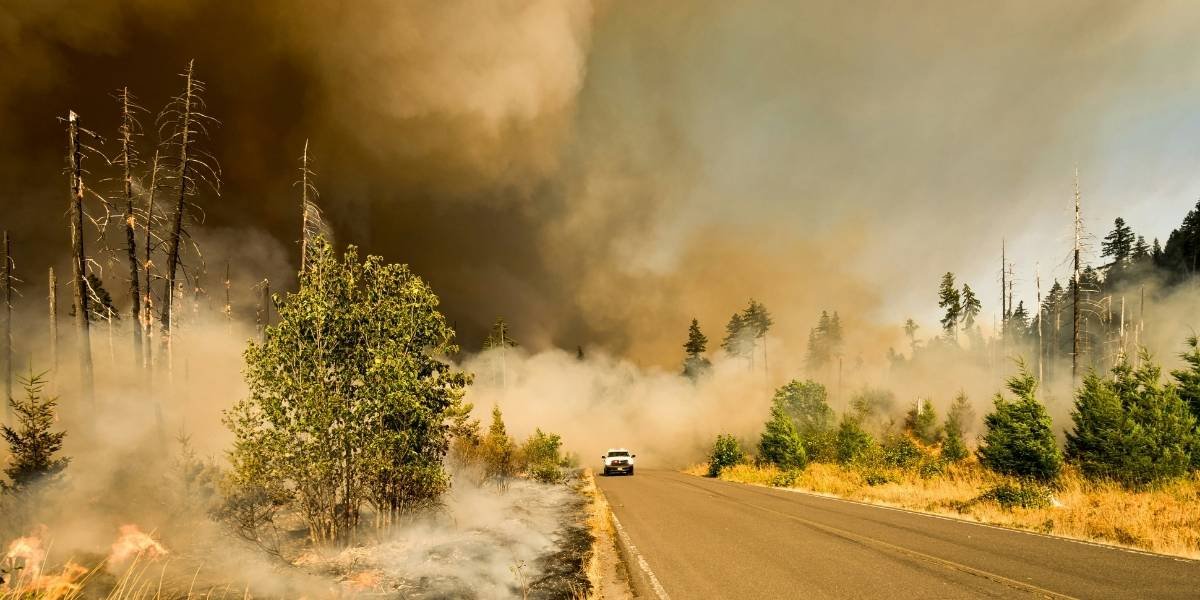
Native Californians have long used controlled burning, forest gardening, and seasonal harvesting to manage ecosystems. These practices helped maintain biodiversity and reduce wildfire risks. Today, some state agencies are working with tribes to apply traditional knowledge to environmental planning.
This collaboration reflects a growing respect for Indigenous expertise. It also shows how cultural practices can contribute to broader goals like conservation and sustainability.
Learning Through Tribal Homelands
Visiting tribal lands and cultural centers offers a chance to understand Native history in context. From redwood forests to desert springs, these places hold stories that connect past and present. The California Observer provides a helpful overview of how Native cultures continue to shape the state’s identity.
Internal Links Used
Native American Cultures in California: A Rich Tapestry of Heritage
https://californiaobserver.com/native-american-cultures-in-california-a-rich-tapestry-of-heritage/