
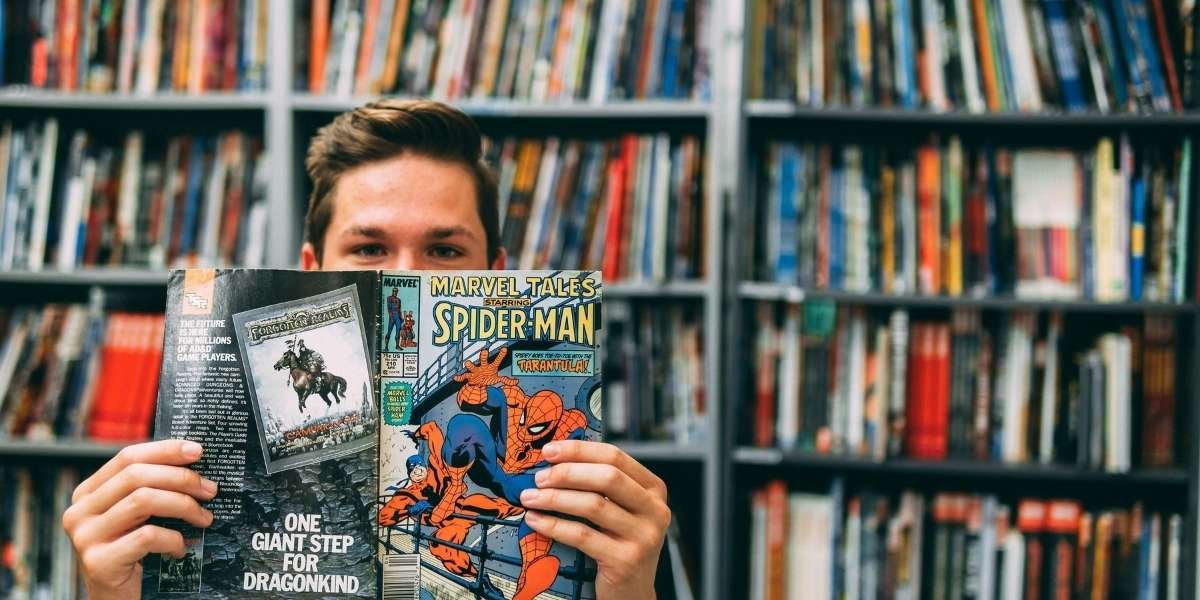
The repeal of Sacramento’s comic ban has captured attention as it targets a law that dates back to 1949. This ordinance, which restricted the sale of comic books depicting crime-related content to minors, was enacted during a time when there was widespread concern that comics could encourage delinquency among young readers. While this law remained on the books for decades, it was rarely enforced in recent years.
City leaders have now taken action, arguing that the ordinance no longer aligns with contemporary values and understanding of comics as a legitimate art form. By removing this restriction, Sacramento is acknowledging the evolution of how comics are viewed, from sources of potential harm to valuable educational tools. This repeal reflects a shift in societal perspectives, demonstrating how laws shaped by past anxieties can persist long after they no longer make sense.
The repeal also invites reflection on how such outdated policies can linger and what this change signifies about the community’s evolving stance on storytelling. Sacramento’s move is a small but important step in reconciling past laws with modern, more progressive views of youth media.
Comics as Educational Tools: A Shift Toward Literacy
Increasingly, educators and parents recognize comic books as valuable tools to enhance children’s reading skills. The repeal of the Sacramento comic ban aligns with this growing understanding, which views comics as a way to engage kids with reading in new and dynamic ways. The combination of text and visuals can make stories more accessible, especially for younger readers or those who find traditional books more challenging.
Comics are now seen as more than just entertainment. They are recognized as an essential part of children’s literacy development. Research has shown that graphic novels and comic books not only improve reading comprehension but also foster creativity and critical thinking. By removing the restriction on comic book sales, Sacramento is embracing the broader educational potential of comics, allowing children to explore stories that might previously have been unavailable to them.
Local business owners like Lecho Lopez of JLA Comics have spoken out about how comics can encourage children to read more. This perspective aligns with research supporting the positive effects of comics in developing literacy. The repeal of the ban recognizes these benefits and marks a shift in focus from restricting access to embracing new opportunities for children’s education.
Furthermore, comics are now integrated into classrooms and libraries nationwide, where they are used to spark imagination, teach history, and even improve language skills. This transformation highlights how far society has come in its understanding of comics as legitimate educational resources, not just frivolous entertainment. The repeal acknowledges that comics can be a gateway to reading, fostering a new generation of literate, imaginative young people.
A New Chapter for Sacramento: The Celebration of Comics
The Sacramento comic ban repeal is more than just a legal shift, it is also a celebration of comics. City leaders have suggested that the third week of September be designated as “Comic Book Week,” with the goal of integrating comics into the local cultural scene. This initiative would provide an opportunity for the community to engage with comics in a fun, interactive way, bringing together families, schools, and businesses to celebrate the unique art form.
Proposed events for Comic Book Week could include public readings, workshops, and community gatherings centered around comic storytelling. These events would offer families a chance to bond over shared experiences, with parents who grew up reading comics passing on their favorites to the younger generation. This celebration of comics could also encourage children to explore new genres, from adventure to fantasy, broadening their horizons.
The idea behind Comic Book Week is to foster a sense of community and appreciation for the storytelling potential of comics. Whether or not the initiative becomes a long-term tradition remains to be seen, but it undoubtedly opens the door to new opportunities for Sacramento to embrace comics beyond the legal framework.
In this sense, the repeal not only removes an outdated law but also encourages Sacramento to create new traditions that celebrate the role of comics in modern life. Whether or not Comic Book Week becomes an established annual event, the idea highlights how local communities can adapt to reflect changing attitudes and interests.
Addressing Concerns: Finding Balance in Content Selection
While the Sacramento comic ban repeal is largely celebrated, there are still some concerns about the content of comics, particularly regarding what is appropriate for younger readers. Parents and educators continue to discuss how to ensure children have access to material that is both age-appropriate and engaging. This conversation reflects a need for a balanced approach to media consumption, one that offers freedom of choice while also guiding children toward responsible content selection.
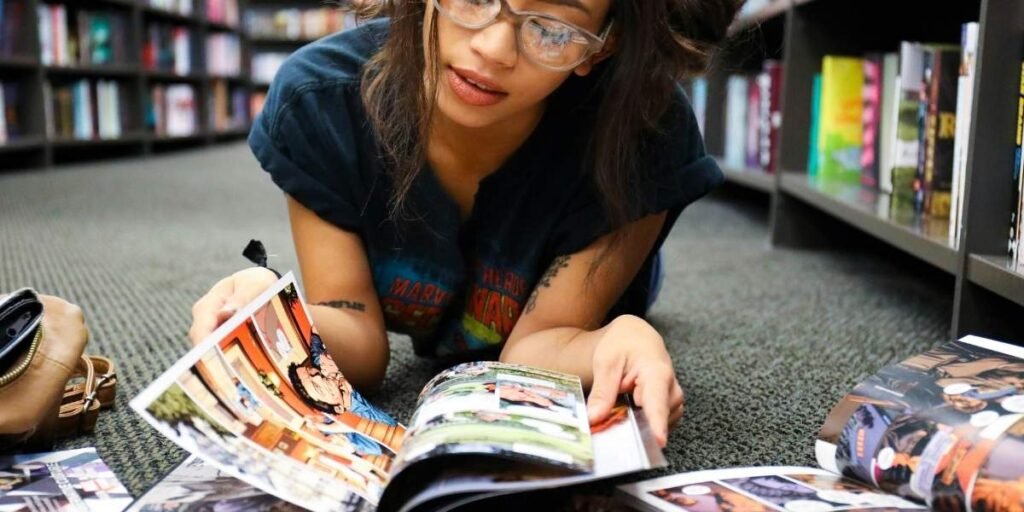
City leaders have emphasized that the repeal does not mean that oversight is being abandoned. Rather, it removes a blanket law that was no longer relevant in modern times. The decision to repeal the ban simply opens up new possibilities, but the responsibility for ensuring that children engage with suitable material still rests with families, schools, and libraries.
This aspect of the debate reflects a broader issue in communities: how do we balance the freedom to choose what media children consume with the responsibility to guide them toward appropriate content? As communities navigate this shift, it’s important to continue these conversations about how best to support children in their media consumption, while also encouraging them to explore diverse forms of storytelling.
Sacramento’s Role in Shaping Future Storytelling
The repeal of Sacramento’s comic book ban signals more than just a local change, it’s part of a broader cultural shift toward recognizing comics as an important medium for education, creativity, and community engagement. As graphic novels and comics continue to gain acceptance in schools, libraries, and homes, they are expected to play an increasingly significant role in how children experience and interact with stories.
For local businesses, the repeal offers opportunities to expand their offerings and host events that bring comics into the spotlight. Comic shops, libraries, and schools can collaborate to make comics more accessible to young readers, helping to build a new generation of comic enthusiasts. The idea of Comic Book Week serves as a catalyst to further this momentum, providing a regular occasion for local residents to celebrate and engage with comics.
As new generations of children discover the joys of reading graphic novels and comics, these mediums will continue to shape the landscape of literature. Whether it’s in the classroom, at home, or in public spaces, comics are poised to be an essential part of children’s literary education. Sacramento’s decision to repeal the comic book ban is a testament to the city’s commitment to evolving alongside modern cultural trends, embracing the positive impacts comics can have on young readers.
Ultimately, the repeal of the ban is about more than just comic books, it’s about the community’s willingness to adapt and grow. Sacramento is signaling its readiness to embrace the future of storytelling, where comics are no longer seen as niche entertainment but as powerful tools for learning and creativity. For the children of Sacramento, the repeal opens up a world of new reading choices, fresh perspectives, and opportunities to engage with literature in exciting and meaningful ways.