
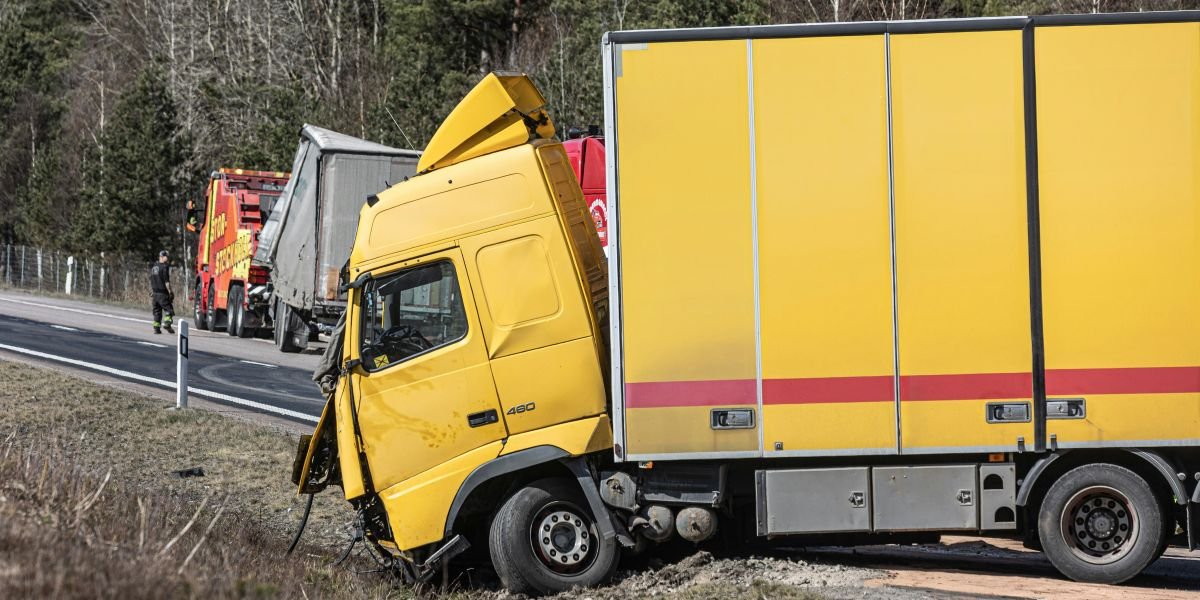
Delivery trucks stopped at curbs have become familiar sights in many neighborhoods and business districts. As people shop for products online, packages arrive faster and more frequently than ever before, often within hours of being ordered. While this has provided many people with convenience, it has also quietly changed conditions on roadways across the country. Along with the growth of delivery services, there has been a noticeable increase in accidents involving delivery trucks.
The Growth of Online Shopping and Package Delivery
Online shopping has expanded dramatically over the past couple of decades. Consumers rely on e-commerce to buy groceries, household supplies, essential goods, and numerous other items. Delivery companies such as UPS, FedEx, and Amazon need to move enormous volumes of packages every day to meet customer expectations.
To keep up with demand, delivery services have increased their fleet sizes, added routes, and extended delivery hours. Trucks and vans that were once limited to business hours are now operating early in the morning, late at night, and on weekends. This has resulted in a significant rise in the number of delivery vehicles sharing the road with passenger cars, cyclists, and pedestrians.
More Delivery Vehicles Means Greater Risk
When more delivery trucks are on the road, the likelihood of collisions increases. Delivery trucks are often larger and heavier than standard passenger vehicles, which can make accidents more severe when they occur. Many delivery routes involve frequent stops, tight turns, and navigating residential streets not designed for high volumes of commercial traffic.
In urban areas, delivery trucks may be double-parked while packages are being delivered, or delivery drivers may stop unexpectedly. In suburban neighborhoods, trucks may need to maneuver through narrow streets and driveways. These conditions can create risks that can contribute to truck crashes.
Pressure to Meet Tight Delivery Deadlines
One factor contributing to delivery truck accidents is the pressure placed on drivers to meet strict delivery schedules. The promise of fast shipping is a selling point for online retailers, and delivery drivers are expected to consistently meet those expectations.
Drivers may be required to complete dozens or even hundreds of deliveries within a single shift. This pressure can lead them to take dangerous actions such as speeding, abrupt lane changes, or rolling through stop signs. The pace of the job can create conditions that make mistakes more likely.
Driver Fatigue and Long Work Hours
Fatigue is another concern for delivery drivers who work long shifts, especially during peak shopping seasons or promotional events. Extended hours behind the wheel can reduce a driver’s reaction time and impair their judgment. When a delivery driver is tired, they may be slower to notice traffic signals, pedestrians, or sudden stops by other vehicles, increasing the likelihood of a crash.
Limited Training or Experience
The rapid expansion of delivery services has also driven hiring. In some cases, new drivers may have limited experience operating large vehicles or navigating busy delivery routes. While many companies provide training, the depth and consistency of that training can vary.
Driving a delivery truck requires different skills than driving a personal vehicle. Factors such as blind spots, braking distance, and vehicle height can affect how a truck handles on the road. Inexperienced drivers may struggle to adjust, especially under time pressure, and they may make mistakes that lead to accidents.
Distracted Driving
Delivery drivers rely heavily on technology to complete their work. Navigation systems, delivery apps, and scanning devices are essential tools, but they can also become sources of distraction. Looking at a screen to confirm an address or check the next stop can divert a driver’s attention from the road. When delivery drivers interact with devices while driving or briefly stop in traffic, they are more likely to be involved in collisions.
The Complex Issue of Liability in Delivery Truck Accidents
When a delivery truck accident occurs, determining who may be legally responsible can be complicated. Unlike some traditional delivery companies that employ drivers directly, many delivery services rely on a mix of employment models. Some drivers are classified as employees, while others work as independent contractors. This distinction can affect liability when an accident results in injuries or property damage.
Employee Drivers and Company Responsibility
When a delivery driver is classified as an employee, the delivery company may be held responsible for the driver’s actions if the accident occurred while the driver was performing job-related duties. This concept is based on the idea that employers can be held accountable for harm caused by employees acting within the scope of their employment.
In these situations, questions may arise about whether the driver was following company policies, meeting delivery expectations, or operating under unrealistic schedules that may have contributed to the accident.
Independent Contractors and Shared Responsibility
Many delivery companies classify drivers as independent contractors rather than employees. This arrangement is often intended to limit the company’s legal responsibility for a driver’s actions. When a contractor is involved in an accident, the company may argue that it is not liable because the driver is considered self-employed.
However, liability is not always clear-cut. Courts may examine the actual relationship between the driver and the company. Factors such as the level of control the company exercises over routes, schedules, uniforms, and equipment can influence whether a company may still bear responsibility.
Legal Help With Delivery Vehicle Accidents
The rise in delivery truck accidents is a consequence of trends that have changed how goods move from sellers to consumers. Increased online shopping has reshaped traffic patterns, work expectations, and legal relationships between companies and drivers. While delivery services provide convenience, they also introduce new risks that may affect drivers, pedestrians, and others involved in motor vehicle accidents. The legal challenges that can affect these cases continue to evolve.
For those who have been injured in accidents with delivery drivers, understanding how liability may be determined and how they can secure financial compensation can be a complex matter. A personal injury lawyer with experience handling delivery vehicle accidents can provide guidance to people in these situations, helping them determine their options as they work to recover from their injuries and address their financial losses.
Disclaimer: The content in this article is provided for general knowledge. It does not constitute legal advice, and readers should seek advice from qualified legal professionals regarding particular cases or situations.