
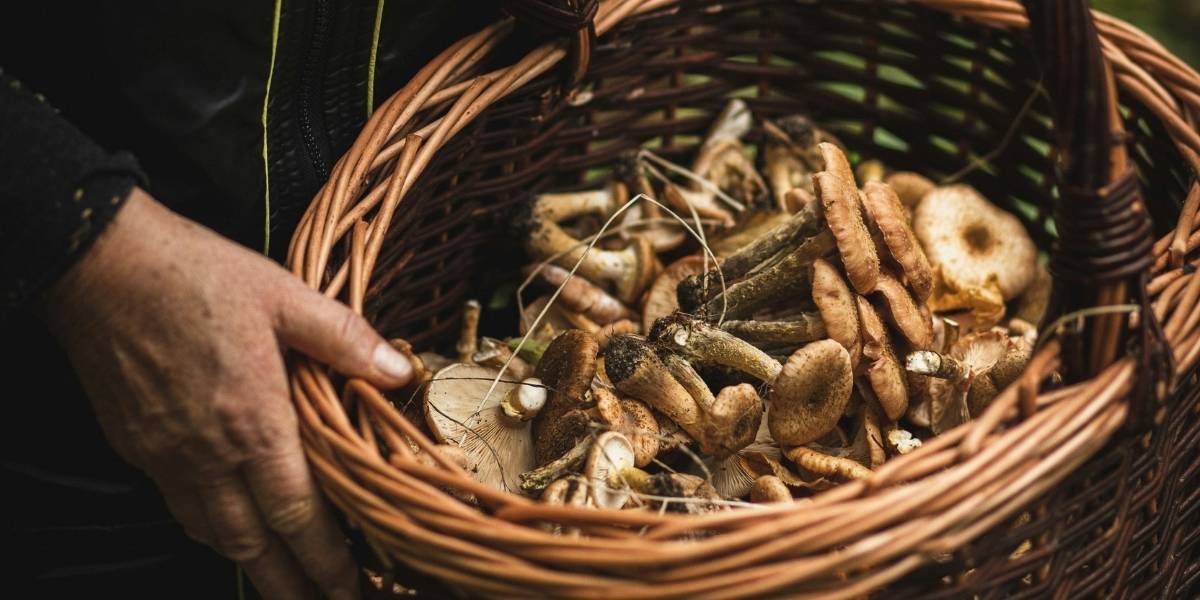
Toxic mushroom cases California health authorities are tracking in 2026 have reached the highest level ever recorded in the United States, prompting renewed warnings about the dangers of consuming wild mushrooms gathered from forests, parks, and residential areas. State poison control officials confirmed that several deaths and dozens of serious illnesses have been connected to poisonous mushroom exposure during the current season, with incidents reported across multiple Northern and Central California counties.
Medical toxicologists and emergency physicians throughout the state reported an increase in hospitalizations involving liver damage, severe gastrointestinal distress, and neurological symptoms associated with toxic mushroom ingestion. Many of the reported cases involved individuals who collected mushrooms outdoors and mistakenly identified poisonous varieties as edible species commonly used in cooking.
The California Poison Control System stated that the number of severe mushroom poisoning cases documented in recent months exceeded previous annual totals observed in the state. Public health agencies have responded by increasing outreach campaigns during the spring mushroom-growing season, which was intensified this year by wet weather conditions across California.
California Health Agencies Respond to Rising Poisoning Reports
Health officials said the majority of serious incidents were linked to amatoxin-containing mushrooms, including death cap mushrooms and destroying angels, which are among the most toxic fungi found in North America. These species are present in many California regions, particularly in wooded suburban neighborhoods, public parks, and coastal forest areas where moisture supports fungal growth.
Death cap mushrooms, scientifically known as Amanita phalloides, are responsible for most fatal mushroom poisonings worldwide. Experts noted that the species has become increasingly widespread in California over recent decades, especially near oak and ornamental trees introduced into urban and residential environments.
Hospitals in Sacramento, San Francisco, Santa Rosa, and other Northern California communities treated multiple patients for acute poisoning symptoms during the spring season. Some individuals required liver transplants after consuming toxic mushrooms believed to be edible varieties.
Medical professionals warned that symptoms from amatoxin poisoning may initially appear mild before rapidly progressing into life-threatening organ failure. Patients often experience nausea, vomiting, diarrhea, and abdominal pain several hours after ingestion, followed by temporary improvement before severe liver and kidney complications emerge.
State poison control specialists emphasized that cooking, drying, or freezing toxic mushrooms does not eliminate dangerous toxins. Officials also cautioned that visual identification alone is unreliable because many poisonous species closely resemble edible mushrooms commonly collected by recreational foragers.
Wet Weather Conditions Increased Mushroom Growth Across California
Environmental conditions throughout California contributed to a larger-than-usual mushroom season in 2026. Heavy winter rainfall and cooler spring temperatures created favorable growing environments across forests, hiking areas, and residential landscapes.
Mycology experts noted that mushroom populations expanded significantly after several years of shifting weather patterns linked to California’s changing climate conditions. Moist soil and extended periods of moderate temperatures allowed fungal growth to continue later into the spring season in many parts of the state.
Regional parks and outdoor recreation areas in Marin County, Sonoma County, Santa Cruz County, and the Sierra foothills reported visible increases in wild mushroom growth during the early months of the year. Public health officials said increased outdoor activity also likely contributed to higher exposure risks as residents spent more time hiking, camping, and foraging.
Several poisoning cases involved immigrant families and recreational foragers familiar with edible mushroom species from other countries. Toxicologists explained that certain California mushrooms resemble edible varieties commonly consumed in Europe, Asia, and Latin America, leading to dangerous identification mistakes.
Public agencies expanded multilingual education campaigns aimed at communities where mushroom foraging remains a traditional cultural activity. Officials distributed safety materials in Spanish, Chinese, Russian, and Vietnamese through local clinics, community centers, and outdoor recreation programs.
Health authorities also advised residents to avoid consuming mushrooms purchased from unverified roadside vendors or gathered from public land without expert identification. Poison control officials encouraged immediate medical consultation if accidental ingestion is suspected.
Poison Control Centers Report Growing National Concern
California’s outbreak has drawn national attention because the state historically records some of the highest numbers of mushroom poisonings in the country. Poison control systems across the United States collectively receive thousands of mushroom exposure reports every year, though only a smaller percentage result in severe injury or death.
Toxicologists stated that California’s climate and ecological diversity create ideal conditions for many mushroom species, including highly poisonous varieties rarely found in other regions. The state’s extensive outdoor recreation culture also increases public interaction with wild fungi.
The California Poison Control System reported receiving a significant increase in calls involving suspected toxic mushroom exposure during the first months of 2026. Many reports involved children who accidentally consumed mushrooms growing in yards, playgrounds, or neighborhood parks.
Pediatric specialists warned that young children face elevated risks because even small quantities of certain toxic mushrooms can cause severe poisoning. Families were urged to remove unidentified mushrooms from residential properties and supervise children during outdoor activities.
Veterinarians across California also reported increased incidents involving dogs consuming poisonous mushrooms during walks and backyard activity. Animal hospitals treated numerous cases involving liver toxicity and neurological symptoms connected to mushroom ingestion this year.
National toxicology experts noted that modern online identification forums and smartphone applications may contribute to accidental poisonings when users rely on photographs instead of expert analysis. Mycologists stressed that many toxic mushrooms cannot be safely identified through casual visual comparison.
Researchers Continue Studying the Spread of Toxic Mushroom Species
University researchers and environmental scientists have continued monitoring the spread of Amanita species throughout California ecosystems. Studies conducted over recent years documented the expansion of death cap mushroom populations beyond traditional coastal regions into inland suburban and urban environments.
Researchers believe imported ornamental trees may have contributed to the spread of certain toxic mushroom species into residential communities. Fungal spores associated with tree roots can remain active in soil for years, allowing poisonous mushrooms to appear seasonally in parks, gardens, and landscaped areas.
Scientists also observed that California’s Mediterranean climate supports long-term survival for invasive fungal species that might struggle in colder regions of the United States. Ongoing monitoring projects aim to understand how environmental changes influence mushroom growth cycles and public exposure risks.
Public universities and botanical institutions have partnered with poison control agencies to improve identification resources and public education materials. Several California institutions developed online databases and image libraries designed to help residents recognize dangerous mushroom species commonly found in the state.
Emergency physicians emphasized that laboratory testing often cannot confirm mushroom poisoning quickly enough for early treatment decisions. Doctors therefore rely heavily on patient history, symptom progression, and consultation with poison specialists during medical emergencies.
Health officials urged anyone who may have consumed unidentified mushrooms to seek immediate medical care even if symptoms appear minor. Poison control centers throughout California remain available around the clock to assist hospitals and the public with mushroom exposure emergencies.
State agencies said public awareness efforts will continue throughout the remainder of the year as mushroom growth remains active in several California regions following the unusually wet season.
Disclaimer: This article is for informational purposes only and should not be considered medical, safety, or foraging advice. Readers should not consume wild mushrooms without verification from qualified experts and should contact poison control or seek immediate medical care if mushroom poisoning is suspected.