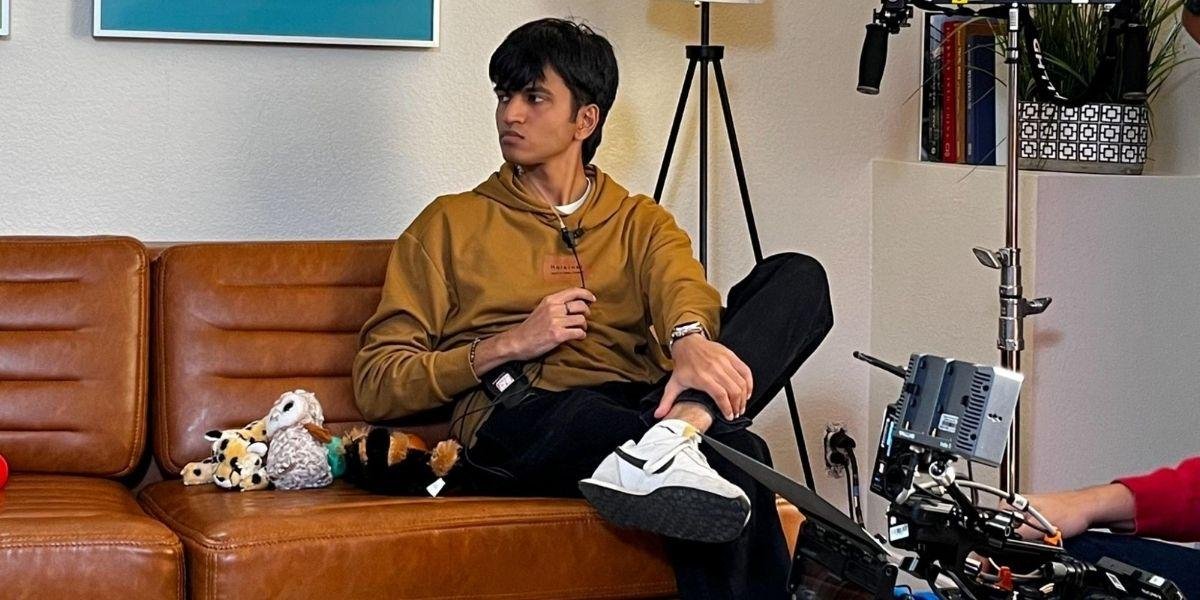
Behind-the-scenes photo of Siddhant Jogal on the sets of Saving Nora.
Step onto most independent film sets in Los Angeles and you’ll still find productions built around the conventions of widescreen storytelling. Siddhant Jogal, a producer and line producer whose credits span more than 30 narrative projects across independent film and mobile-first entertainment, has increasingly focused on a different challenge: how to create cinematic experiences within the vertical frame. As premium vertical series continue to attract audiences worldwide, Jogal has become known for exploring the production workflows, visual language, and logistical frameworks required to execute the format at scale. He shares his work and background on his Instagram profile.
Re-Engineering the Lens
“There’s this huge misconception about vertical filmmaking where it’s just a matter of tilting a camera or cropping out some edges on a wide screen,” says Jogal. “But the reality is that it requires rethinking classical cinematography all together.”
Based on years of experience working on the front lines of independent film production, Jogal knows precisely what makes vertical film so different. Working in a wide space, the conventional production process provides a filmmaker with room to breathe and build mood through framing and camera angles. When filming vertically, however, the camera becomes the primary focal point as every shot calls for intense portrait composition, human blocking, and innovative lighting techniques. With these skills under his belt, Jogal ensures the quality of each shot stays consistent even on fast-moving shoots. His professional background is detailed on his LinkedIn page and his IMDb filmography.
“The Digital Backlot”: Re-Evaluating Pre-Production in the Modern Era
As the demand for vertical film continues growing worldwide, the pressure on producers to create high-quality visuals in less time than ever is becoming a real problem. To solve it, Jogal has spent the last year studying a novel method of pre-production he calls “The Digital Backlot.” This proprietary approach places him on the leading edge of technological integration within the film industry.
Using advanced machine learning algorithms for purposes other than replacing human talent, Jogal’s research centers on developing ways to use AI to enhance pre-production processes. By rapidly calculating perfect style frames and lighting arrangements in advance of production, this approach lets independent production teams settle on a consistent visual style during the pre-production stage alone.
“The idea is fairly straightforward: remove the burdensome labor of storyboarding and location scouting,” Jogal explains. “By streamlining the pre-production process using AI-powered techniques, we can cut massive amounts from the physical budget. Responsible producers can then take that money right to the physical set, securing more shooting days and letting actors and directors do their best work on camera.”
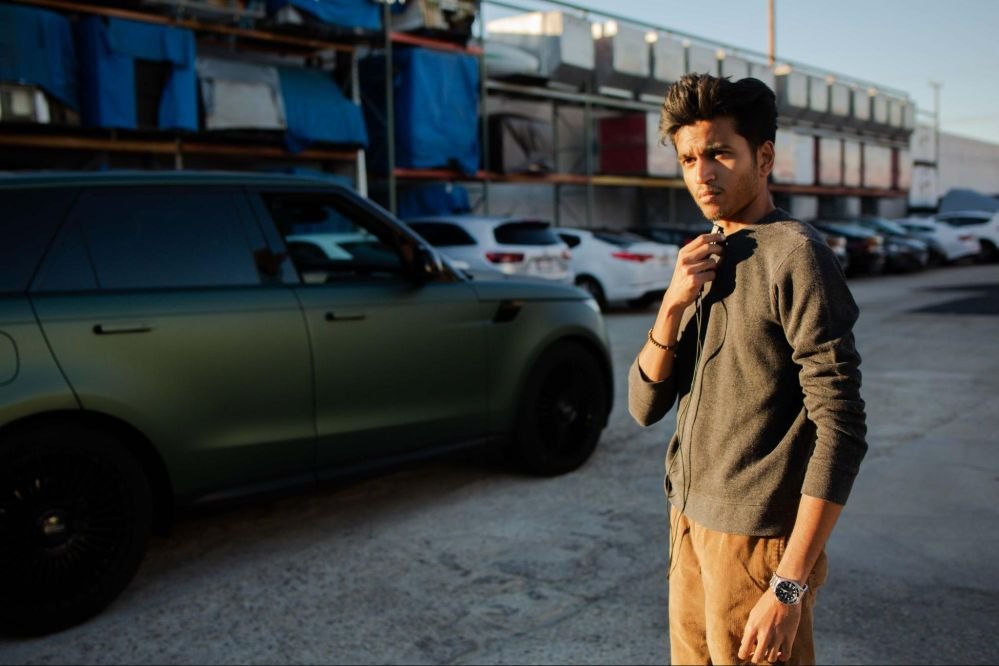
Behind-the-scenes photo of Siddhant Jogal on the sets of His Love Was A Lie.
Protecting the Beating Heart of the Craft
It’s a unique way of looking at the process of innovation in cinema. Rather than seeing it as another step towards automated content creation, Jogal’s vision sees technology as a protective shield for human creativity. In an environment marked by rapid change, he is proving himself to be a key facilitator in sustaining stability between Hollywood unions and the future.
With his upcoming vertical miniseries, serving as one of the prime test cases for the workflow, it seems safe to say Jogal isn’t simply adapting to the changing market. Instead, he appears to be defining its future.
A Different Kind of Pioneer
Jogal’s rise offers a telling indication of where the future of filmmaking may lie. As Hollywood transitions into an era of uncertainty, producers with the technical expertise and strategic foresight of Jogal are proving more and more valuable. In order to ensure that the human spirit of cinema stays alive into tomorrow, leaders will have to make a commitment to building the infrastructure for the future. With an established history of success and an ambitious new vision for the industry, Siddhant Jogal is already halfway there.