
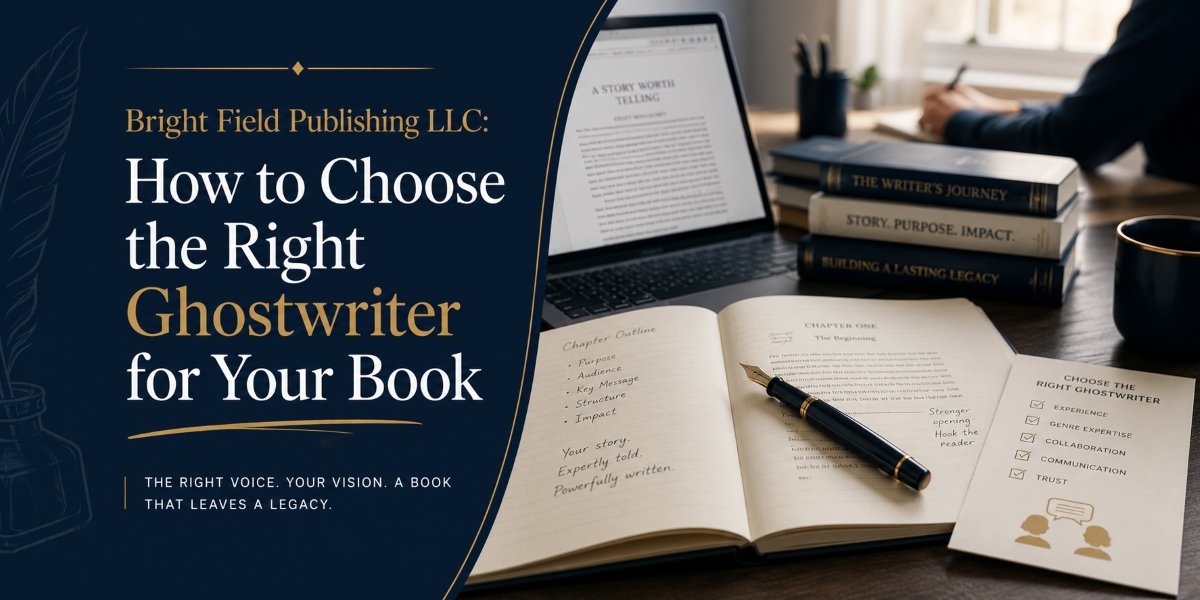
Writing a book is a meaningful achievement, but turning an idea into an engaging manuscript can be challenging. You may have valuable knowledge, a powerful personal story, or an exciting fictional concept, yet lack the time or writing experience needed to shape it professionally. Professional ghostwriting services can help transform your vision into a polished book while preserving your voice, message, and creative direction. However, choosing the right ghostwriter requires research. The person you hire will work with your ideas and may influence the final quality of your book. Here is how to make the right decision.
Understand What a Ghostwriter Does
A professional ghostwriter writes content on behalf of another person while allowing that person to receive authorship credit. The process often includes interviews, research, planning, outlining, drafting, revisions, and close collaboration. A capable ghostwriter does more than arrange words. They understand storytelling, structure, tone, pacing, audience expectations, and the publishing process.
Before hiring anyone, identify the support your project requires. Some authors need complete manuscript development from an idea. Others have notes, recorded conversations, research, or an unfinished draft that needs expansion. Knowing your starting point will help you find a ghostwriter with the right experience and determine the scope, timeline, and budget of your project.
Look for Relevant Genre Experience
Ghostwriters often specialize in categories, including memoir, biography, business, self-help, fiction, children’s books, religion, health, or personal development. A writer who produces strong business books may not be the best choice for a fantasy novel. Similarly, a fiction specialist may not understand how to organize a research-based professional guide.
Ask potential ghostwriters about projects similar to yours. Relevant experience shows that the writer understands your genre’s structure, style, reader expectations, and common challenges. They should also know how to create an appropriate tone. A memoir ghostwriter may require emotional sensitivity, while a business book writer needs authority, clarity, and practical organization. Selecting a writer familiar with your category can make the entire writing process more efficient.
Review Writing Samples Carefully
Writing samples provide evidence of a ghostwriter’s ability. Look beyond correct grammar and examine whether the writing is clear, engaging, organized, and suitable for the intended audience. Notice how the writer opens chapters, develops ideas, handles transitions, creates emotion, and maintains momentum.
Because ghostwriting agreements are often confidential, a writer may not be permitted to identify every previous client. However, they should still be able to provide approved samples, anonymous excerpts, or original examples. When reviewing samples, remember that versatility matters. Your book should sound like you, not like every other project in the writer’s portfolio. The best ghostwriter can adapt their style without losing quality or consistency.
Evaluate Their Ability to Capture Your Voice
Your authentic voice is one of the most important elements of your book. Author voice preservation ensures readers feel that the ideas, experiences, and personality genuinely belong to you. A reliable ghostwriter listens, asks thoughtful questions, studies your speech patterns, and learns how you communicate.
During a consultation, pay attention to whether the writer understands your purpose. Do they recognize the emotions behind your story? Can they explain your message accurately? Are they interested in your preferred tone and audience? A strong ghostwriter will not impose an unrelated style on your manuscript. Instead, they will translate your thoughts into effective writing that feels natural, credible, and personal.
Discuss the Writing Process
Every ghostwriter has a different workflow, so discuss the process before signing an agreement. Ask how information will be collected, how often interviews will occur, when you will receive outlines or chapters, and how feedback will be handled. You should also understand how many revisions are included and whether professional editing, proofreading, or other publishing support for authors is part of the service.
A clear process prevents confusion and keeps the project moving forward. Milestones may include discovery, research, outline approval, sample chapter development, full drafting, revision, and final review. Regular communication is important for long manuscripts. The ghostwriter should provide updates, respond professionally, and involve you in important creative decisions throughout the project.
Confirm Ownership and Confidentiality
Before work begins, review the contract carefully. The agreement should state that you will own the completed manuscript and its publishing rights after all agreed-upon payments are made. It should also explain whether the ghostwriter will receive acknowledgment or remain completely anonymous.
Confidentiality is particularly important for memoirs, professional books, personal stories, and projects involving private information. Ask whether the writer uses a confidentiality agreement and how your files, interviews, and research materials will be protected. Clear ownership and privacy terms create trust and reduce the risk of disagreements later.
Compare Value, Not Just Price
Ghostwriting costs vary based on manuscript length, complexity, research requirements, experience, deadlines, and the level of collaboration involved. Choosing the lowest price may seem practical, but an inexperienced writer can create structural problems, repeated revisions, or additional editing expenses.
Instead of focusing only on cost, compare the value of each proposal. Consider experience, communication, research ability, revision support, reliability, and understanding of your goals. Request a detailed breakdown of services and payment stages. A professional proposal should explain exactly what is included so you can make an informed decision without unexpected charges.
Choose a Collaborative Publishing Partner
The right ghostwriter should make you feel heard, respected, and confident. Strong collaboration combines your expertise and vision with the writer’s skill in developing readable, well-structured content. Trust your judgment during consultations. Clear communication, realistic promises, professional boundaries, and genuine interest are positive signs.
Bright Field Publishing LLC helps authors develop ideas and prepare manuscripts as part of a complete publishing journey. With book editing services, book formatting services, cover design, book publishing services, and distribution, authors can move from concept to a professionally prepared book through an organized process.
Choosing the right ghostwriter is an investment in your message and reputation. Take time to review experience, samples, workflow, contracts, communication, and overall compatibility. When the partnership is right, your ghostwriter can help create a book that reflects your voice, serves your readers, and brings your publishing vision to life.