California restaurants are expanding their use of tasting menus as operators confront elevated labor, food, and operating costs. From Hermosa Beach to San Francisco, fixed-course formats are appearing at multiple price points, showing how restaurants are narrowing menu complexity while giving diners clearer upfront pricing.
Key Takeaways
- USDA forecasts food-away-from-home prices to rise 3.5% in 2026, while June prices were 3.4% higher than a year earlier.
- California’s statewide minimum wage increased to $16.90 an hour on January 1, 2026, with higher local rates in some cities and counties.
- The National Restaurant Association estimates average restaurant expenses are 36% above 2019 levels.
- Current California examples range from Electric Bleu’s $79 tasting menu to Vin Folk’s planned $175, 10-course format.
Tasting menus are becoming a more visible part of California’s restaurant response to a difficult cost environment. The format is not new, and it does not guarantee stronger margins, but recent menu changes show restaurants using fixed-course service across a wider range of prices and dining styles.
The shift comes as restaurants continue to absorb expenses that remain well above pre-pandemic levels. The National Restaurant Association reported in July that average restaurant expenses had risen 36% since 2019. Average hourly earnings for restaurant employees were up 41%, while wholesale food prices were up 35%.
Foodservice prices are also continuing to rise. The U.S. Department of Agriculture’s July 2026 Food Price Outlook forecasts food-away-from-home prices to increase 3.5% for the year. In June, restaurant and other foodservice prices were 3.4% higher than in June 2025.
Tasting Menus Move Into a Higher-Cost Restaurant Market
California’s labor environment adds another significant expense for restaurant operators. The statewide minimum wage increased to $16.90 an hour on January 1, 2026, and some cities and counties require higher local rates.
San Francisco’s broader leisure and hospitality sector has also been adding workers. Employment data showed thousands of additional jobs in the sector over the year ending in February 2026, placing restaurants within an active hospitality labor market. Related San Francisco hospitality jobs provide additional context on local employment conditions.
For restaurants, a tasting menu can narrow the number of dishes that must be prepared for each table. That does not automatically reduce total expenses, but a fixed sequence can make ingredient purchasing, preparation, and service pacing more predictable than a large menu containing many possible combinations.
National Restaurant Association research provides some support for the broader strategy of simplifying menus. Among full-service restaurant respondents, food and nonalcoholic beverage costs represented a median 32% of sales in 2024. The association said continued use of streamlined menus may have contributed to purchasing efficiencies.
The distinction matters. A tasting menu is not automatically more efficient simply because it contains fewer choices. Staffing levels, ingredients, portion sizes, service requirements, and reservation volume still determine how much a restaurant ultimately spends.
California Restaurants Test Several Fixed-Course Models
Recent California examples show that tasting menus are not following a single price or service model.
In Hermosa Beach, Vin Folk plans to shift its main dining room in August 2026 to a $175, 10-course tasting menu, according to Eater Los Angeles. A simplified à la carte selection is expected to remain available on the restaurant’s veranda.
The change follows a broader menu with more than two dozen dishes. Moving the dining room toward a defined sequence gives the kitchen a narrower group of dishes to execute during tasting-menu service while preserving some ordering flexibility elsewhere.
Lower-priced versions are also appearing in Los Angeles. Electric Bleu in Mar Vista offers a $79 four-course tasting menu, while Bengara in the Arts District offers a $98 six-course menu with drink pairings, according to recent Eater reporting.
The examples place fixed-course dining below the highest tier of California tasting-menu restaurants and show how the format can operate alongside more conventional dining choices.
Restaurants elsewhere in the state are also experimenting with how food, service, and space are organized. A Silicon Valley dining concept in Santa Clara combines several food stations, restaurant service, and retail within one location, reflecting the range of formats appearing in California’s dining market.
San Francisco provides another variation. 7 Adams currently lists a five-course seasonal tasting menu at $87 per person and a seven-course menu at $127. The restaurant states that dishes can change according to ingredient availability.
Mijoté in the Mission District uses a seasonal prix fixe format centered on locally sourced ingredients. Michelin describes the restaurant as a casual neighborhood bistro with a changing fixed menu, another example of structured dining outside an extended luxury tasting experience.
Smaller Menus Give Kitchens Fewer Variables to Manage
The operational case for tasting menus is strongest when it is stated narrowly. A restaurant serving a fixed progression knows more about what each reservation is likely to consume, which can support purchasing estimates and preparation schedules.
Fewer dishes can also reduce the number of ingredients needed for a particular service. That may matter when certain products remain costly or when restaurants are trying to limit unused inventory.
Those efficiencies have clear limits. Restaurants still face payroll, rent, utilities, insurance, card-processing fees, and changing ingredient prices. Diners may also prefer à la carte service because it provides greater control over what and how much they order.
Several restaurants are therefore using hybrid models rather than removing traditional ordering entirely. Vin Folk plans to retain a separate simplified menu, while other restaurants offer tasting menus alongside à la carte selections.
Price clarity may also contribute to the format’s appeal. Diners considering Electric Bleu, Bengara, or 7 Adams can see the listed price for the core meal before ordering, although beverages, taxes, surcharges, and optional additions can raise the final bill.
California’s current tasting menus ultimately represent several different restaurant strategies rather than one industry-wide formula. At prices ranging from below $100 to $175 and higher, the fixed-course format gives some kitchens a more defined service structure while offering diners a clearer picture of the meal before the first course arrives.
Frequently Asked Questions
What Is a Tasting Menu?
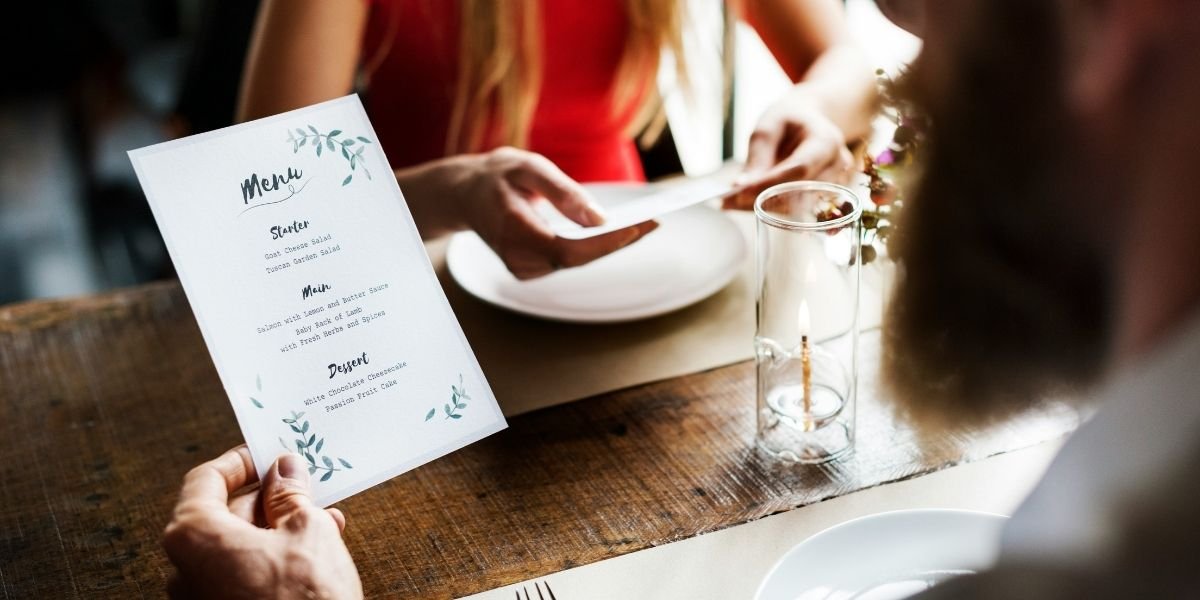
A tasting menu is a fixed sequence of courses selected by the restaurant rather than individually ordered by the diner. The number of courses, price, and flexibility vary by restaurant.
Why Are California Restaurants Using Tasting Menus?
Some restaurants are using tasting menus to narrow menu complexity and make purchasing, preparation, and service more predictable. The format is appearing while labor, food, and other restaurant operating expenses remain elevated.
Are Tasting Menus Always Expensive?
No. Current California examples include Electric Bleu’s $79 menu and 7 Adams’ $87 five-course option, alongside higher-priced formats such as Vin Folk’s planned $175, 10-course menu.
Do Tasting Menus Reduce Restaurant Costs?
They can reduce some variables related to menu size, inventory, and preparation, but they do not guarantee lower overall expenses or stronger margins. Restaurants still carry labor, occupancy, utilities, insurance, and ingredient costs.
Where Are the Tasting Menus in This Article Available?
The restaurants discussed are located in Hermosa Beach, Los Angeles, and San Francisco. Menus, prices, and availability can change, so current restaurant information should be checked before booking.