Varicose veins are more than a cosmetic concern for many people. Aching legs, swelling, heaviness, itching, and visible veins can make everyday activities less comfortable and may sometimes indicate an underlying vein condition.
For residents looking for varicose vein treatment in Rancho Cucamonga, understanding when to seek professional care is an important first step.
Varicose veins can develop for many reasons, including age, genetics, pregnancy, prolonged standing, and other factors that affect circulation. While some visible veins may not require treatment, persistent or worsening symptoms deserve a professional evaluation.
What Are Varicose Veins?
Varicose veins are enlarged, twisted veins that most commonly develop in the legs.
Healthy veins contain valves that help blood travel back toward the heart. When these valves do not work properly, blood can flow backward and pool in the veins. Over time, this can cause veins to enlarge and become more visible.
Varicose veins may appear blue, purple, or skin-colored and can sometimes bulge beneath the skin.
Some people have no symptoms. Others may experience:
- Aching or pain
- Leg heaviness
- Swelling
- Itching
- Throbbing
- Tired legs
- Skin discoloration
- Discomfort after prolonged standing
If you live in Rancho Cucamonga or the surrounding Inland Empire and are experiencing these symptoms, a vein evaluation can help determine whether an underlying venous condition is contributing to the problem.
When Should You See a Vein Specialist?
Not every visible vein requires treatment.
However, consider a professional evaluation if your veins are becoming more noticeable or you are experiencing persistent symptoms.
Persistent Leg Pain
Aching or throbbing in the legs can sometimes be associated with venous disease.
If discomfort becomes worse after standing or sitting for extended periods, a vein specialist can evaluate whether circulation problems may be contributing to your symptoms.
Swelling
Swelling around the ankles or lower legs can have many causes.
When swelling occurs regularly, particularly alongside visible varicose veins or leg heaviness, it may be worth discussing with a healthcare professional.
Heavy or Tired Legs
Some people describe their legs as feeling heavy, tired, or fatigued at the end of the day.
These symptoms can occur when blood does not circulate efficiently through the veins.
Skin Changes
Don’t ignore changes in the skin around varicose veins.
As venous disease progresses, darkening, irritation, itching, or other changes can occur.
Increasingly Visible Veins
Varicose veins can become larger or more prominent over time.
If you notice significant changes in the appearance of your veins, a professional evaluation can help determine whether treatment may be appropriate.
Are Varicose Veins Common in the Inland Empire?
Varicose veins can affect adults across California, including people living in Rancho Cucamonga, Ontario, Fontana, Upland, Claremont, and other communities throughout the Inland Empire.
Risk factors are not unique to one city. Age, genetics, pregnancy, weight, prolonged standing, and lifestyle can all influence the development of venous problems.
For local residents, having access to a specialized vein clinic in Rancho Cucamonga can make it easier to seek an evaluation when symptoms begin to affect daily life.
What Happens During a Vein Evaluation?
A vein evaluation typically begins with a discussion about your symptoms and medical history.
A specialist may ask about:
- When symptoms started
- Whether symptoms are worse at certain times of day
- Previous vein problems
- Family history
- Previous vein treatments
- Swelling or pain
- Skin changes
A physical examination may also be performed.
When appropriate, ultrasound imaging can evaluate blood flow and identify underlying venous problems.
This information helps the specialist determine whether treatment is necessary and which options may be appropriate.
Varicose Vein Treatment Options in Rancho Cucamonga
Modern vein treatment offers several minimally invasive options.
The appropriate treatment depends on the patient’s diagnosis, symptoms, vein anatomy, and treatment goals.
Radiofrequency Ablation
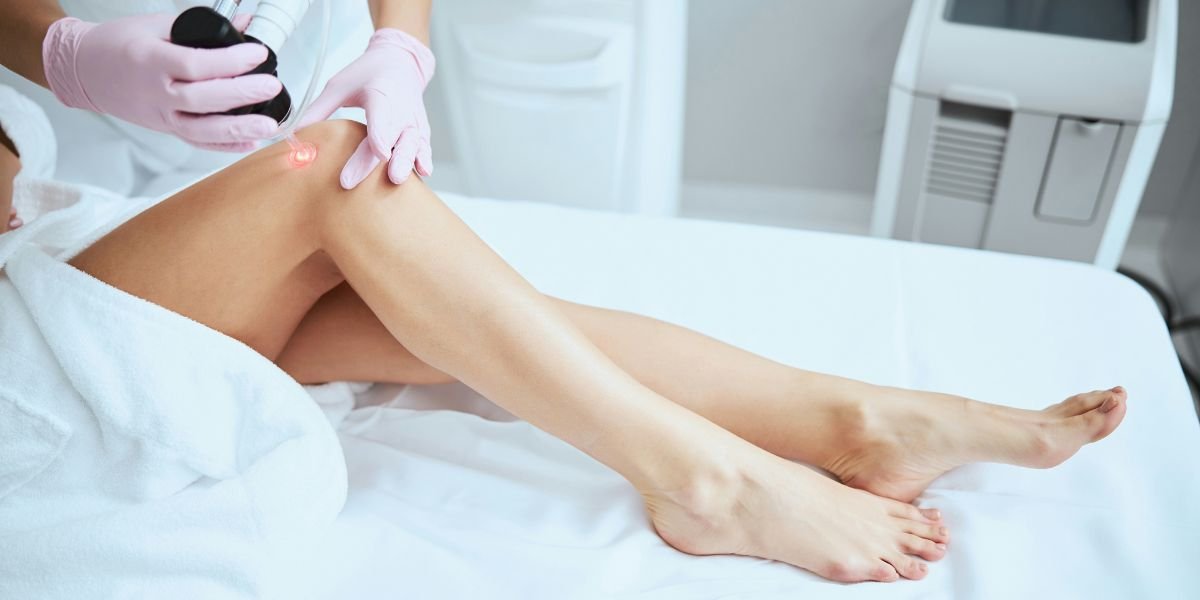
Radiofrequency ablation, or RFA, uses controlled radiofrequency energy to close a diseased vein.
A small catheter is inserted into the affected vein under ultrasound guidance. Heat then seals the vein, allowing blood to reroute through healthier veins.
RFA is a minimally invasive procedure and is performed in-office at Inland Vein & Wound Specialists. The clinic states that medically necessary RFA is typically covered by insurance.
Ultrasound-Guided Sclerotherapy
Ultrasound-guided sclerotherapy uses real-time imaging to help identify and treat deeper or residual varicose veins.
A specialized solution is injected into the affected vein, causing it to close and allowing blood to redirect through healthier vessels.
Varithena
Varithena is an FDA-approved injectable foam treatment used for certain diseased veins.
The treatment is performed under ultrasound guidance and is designed to close the targeted vein.
Cosmetic Sclerotherapy
Spider veins are smaller visible veins that are often primarily a cosmetic concern.
Cosmetic sclerotherapy uses an injected solution to treat selected spider veins and gradually improve their appearance. Inland Vein & Wound Specialists offers cosmetic sclerotherapy in-office.
Is Varicose Vein Treatment Covered by Insurance?
Insurance coverage depends on the patient’s individual plan and whether treatment is considered medically necessary.
According to Inland Vein & Wound Specialists, many insurance providers cover treatment for symptomatic vein conditions, and the clinic works with a wide range of insurance plans.
Before treatment, patients should confirm:
- Whether the provider is in-network
- Whether the recommended procedure is covered
- Whether prior authorization is required
- What deductible applies
- What copayment or coinsurance may be required
- Whether diagnostic ultrasound is covered
Insurance companies may treat cosmetic procedures differently.
Where Can Rancho Cucamonga Residents Get Vein Treatment?
When choosing a vein specialist in Rancho Cucamonga, patients should consider more than location.
Important factors include:
- Experience treating venous conditions
- Available treatment options
- Diagnostic capabilities
- Whether treatment is performed in-office
- Insurance participation
- Follow-up care
- Ability to create an individualized treatment plan
Inland Vein & Wound Specialists is located at 10801 Foothill Blvd, Suite 106, Rancho Cucamonga, CA 91730. The clinic provides minimally invasive vein treatments and offers a free vein screening consultation.
What If You Live Outside Rancho Cucamonga?
Patients do not necessarily need to live in Rancho Cucamonga to seek care at a local vein clinic.
The clinic’s location can also be convenient for residents of surrounding Inland Empire communities, including areas such as:
- Ontario
- Fontana
- Upland
- Claremont
- Alta Loma
- Eastvale
- San Antonio Heights
- Other nearby communities
For patients searching for vein treatment in the Inland Empire, choosing a conveniently located specialist may make it easier to attend consultations, diagnostic appointments, and follow-up visits.
Spider Veins vs. Varicose Veins
Spider veins and varicose veins are not the same.
Spider veins are generally smaller and appear close to the skin’s surface. They may look like thin red, blue, or purple lines.
Varicose veins are larger, swollen, and often twisted.
Spider veins are frequently treated for cosmetic reasons, while varicose veins may cause symptoms such as pain, swelling, and heaviness.
If you are unsure whether the veins on your legs are spider veins or varicose veins, a professional evaluation can help determine the appropriate approach.
Can Varicose Veins Get Worse?
Varicose veins can become more noticeable or symptomatic over time.
Some people may develop increasing pain, swelling, skin changes, or other complications.
This does not mean that every person with varicose veins will develop serious problems. However, worsening symptoms are a good reason to seek an evaluation.
Early assessment can help identify the underlying problem and give you an opportunity to discuss available treatment options.
How Can You Support Healthy Veins?
Lifestyle habits may help support overall leg health and manage some symptoms.
Depending on your individual health situation, helpful habits may include:
- Staying physically active
- Taking regular breaks from prolonged sitting
- Avoiding prolonged standing when possible
- Maintaining a healthy weight
- Elevating the legs when appropriate
- Following your healthcare professional’s recommendations
Lifestyle changes may help with symptoms, but they do not necessarily eliminate established varicose veins.
Why Choose a Local Vein Specialist?
Choosing a local specialist can make the treatment process more convenient.
Patients may need more than one appointment for evaluation, diagnostic imaging, treatment, or follow-up. A nearby specialized clinic can make it easier to maintain continuity of care.
For residents of Rancho Cucamonga and nearby Inland Empire communities, a local vein specialist can provide an opportunity to discuss symptoms and treatment options without traveling far from home.
When to Consider Vein Treatment
Varicose veins do not always require immediate treatment, particularly when they are not causing symptoms.
However, persistent pain, swelling, heaviness, skin changes, or increasingly prominent veins are reasons to consider a professional evaluation.
If you live in Rancho Cucamonga or the surrounding Inland Empire and are concerned about your veins, a local specialist can evaluate your symptoms and explain which treatment options may be appropriate.
Disclaimer: This content is for informational purposes only and is not intended as medical advice, nor does it replace professional medical expertise or treatment. If you have any concerns or questions about your health, always consult with a physician or other healthcare professional.