
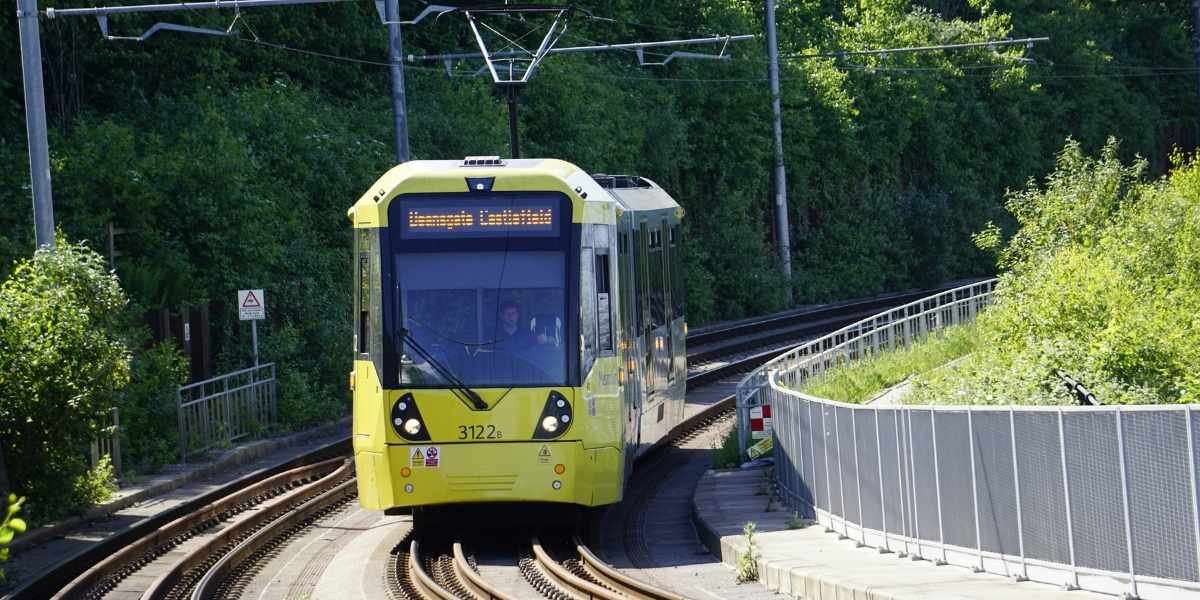
Metrolink has raised fares across its Southern California commuter rail network, with some prices increasing by as much as 27%. The change marks the system’s first fare increase in 13 years and affects passengers who rely on regional trains for regular travel across Los Angeles, Orange, Riverside, San Bernardino and Ventura counties.
Key Takeaways
- Metrolink implemented its first fare increase in 13 years
- Some Metrolink fares increased by as much as 27%
- The changes affect commuters across Southern California’s regional rail network
- Regular passengers face higher transportation costs under the new fares
- Metrolink connects communities across Los Angeles, Orange, Riverside, San Bernardino and Ventura counties
Metrolink Fare Increase Takes Effect Across Southern California
Metrolink has implemented a fare increase across its Southern California commuter rail network, raising the cost of travel for passengers who use the regional system. Some fares increased by as much as 27%, making the new pricing a significant change for riders traveling between communities served by Metrolink.
The increase affects passengers using commuter rail services across Southern California. The network serves Los Angeles, Orange, Riverside, San Bernardino and Ventura counties, connecting communities through regional rail service.
For regular riders, the change directly affects the amount paid for recurring train travel. Passengers using affected fares must now account for higher transportation costs under the new pricing structure.
The fare adjustment comes as California continues broader state transportation funding for transit stations, highways, pedestrian infrastructure and other transportation projects.
The change is Metrolink’s first fare increase in 13 years, providing a clear historical reference point for the new pricing after more than a decade under the previous fare structure.
Some Metrolink Fares Rise by as Much as 27%
The largest increase under the new fare structure is 27%. That figure applies to selected fares rather than every Metrolink ticket.
The effect on individual passengers therefore depends on the route and fare product they use. Some riders will experience smaller percentage increases, while those purchasing fares subject to the maximum adjustment will pay 27% more.
Metrolink’s new pricing applies across its regional commuter rail network rather than to a single station or isolated route. The changes consequently affect passengers in multiple Southern California communities.
For commuters, the practical impact is straightforward: affected rail trips now cost more than they did under the previous pricing structure.
Higher Fares Affect Regional Commuter Rail Passengers
The fare increase directly affects people who depend on Metrolink for regular regional travel. Commuter rail passengers use the system to move between communities in different Southern California counties, making ticket prices a recurring part of their transportation expenses.
Passengers traveling through Los Angeles County are among those using the network. Metrolink also provides connections involving Orange, Riverside, San Bernardino and Ventura counties.
Because the system crosses county lines, the fare change extends beyond any single city. Riders throughout the service area can face higher costs when their regular trips involve affected Metrolink fares.
The size of the increase still varies by fare. A maximum adjustment of 27% does not mean every rider is paying 27% more, and the actual change depends on the ticket or fare product purchased.
Changes for Regular Metrolink Riders
Regular passengers are particularly exposed to the new prices because they use the rail system repeatedly. Each affected trip or ticket purchase adds to the cumulative transportation cost for frequent riders.
Passengers whose fares increased by less than the maximum 27% will see a smaller percentage change. Those using fares subject to the largest adjustment face the full increase.
The 13-year period since Metrolink’s previous fare increase also provides context for the change. Passengers had traveled under the earlier pricing structure for more than a decade before the new fares took effect.
Metrolink Serves Major Southern California Travel Corridors
Metrolink’s regional rail network connects communities across Los Angeles, Orange, Riverside, San Bernardino and Ventura counties. Its geographic reach makes the system relevant to passengers traveling across county lines as well as within individual communities.

Southern California’s transportation system combines commuter rail with freeways and other regional travel corridors. Riverside County, for example, is testing technology on Southern California commuter routes through an eight-mile section of Interstate 15 equipped with roadway sensors, coordinated ramp meters and electronic speed guidance.
Metrolink serves a different mode of regional travel, providing rail connections between population centers throughout its service area. The fare increase changes the cost of using that network without changing its geographic role.
For Southern California commuters, the system remains a transportation link across several counties. The new pricing determines what affected passengers now pay to use those connections.
New Pricing Marks First Fare Increase in 13 Years
Metrolink’s latest fare change is the system’s first increase in 13 years. The long interval between adjustments is a central point of context for understanding the current pricing change.
The new structure includes increases of different sizes, with selected fares rising by as much as 27%. The maximum figure therefore represents the upper end of the changes rather than a uniform increase across the system.
For passengers whose fares have risen, the immediate effect is a higher cost for regional rail travel. Regular riders encounter the new prices each time they purchase an affected fare.
The change establishes a new pricing structure across a rail network connecting communities in Los Angeles, Orange, Riverside, San Bernardino and Ventura counties. While the size of each adjustment varies, affected passengers now pay more than they did under the previous fare structure.
The 13-year gap distinguishes the change from frequent or routine fare adjustments and establishes it as Metrolink’s first increase in more than a decade.
Frequently Asked Questions
How much did the Metrolink fare increase?
Some Metrolink fares increased by as much as 27%. The percentage varies by fare, so not every passenger faces the same increase.
Which Metrolink riders are affected by the fare increase?
Passengers using affected Metrolink fares across Southern California are subject to the new prices. The system serves communities in Los Angeles, Orange, Riverside, San Bernardino and Ventura counties.
When did the Metrolink fare increase take effect?
Metrolink has implemented the new fare structure, with passengers now paying the increased prices for applicable fares.
How long had Metrolink fares remained unchanged?
The current adjustment is Metrolink’s first fare increase in 13 years.
Which Southern California counties does Metrolink serve?
Metrolink connects communities across Los Angeles, Orange, Riverside, San Bernardino and Ventura counties.