
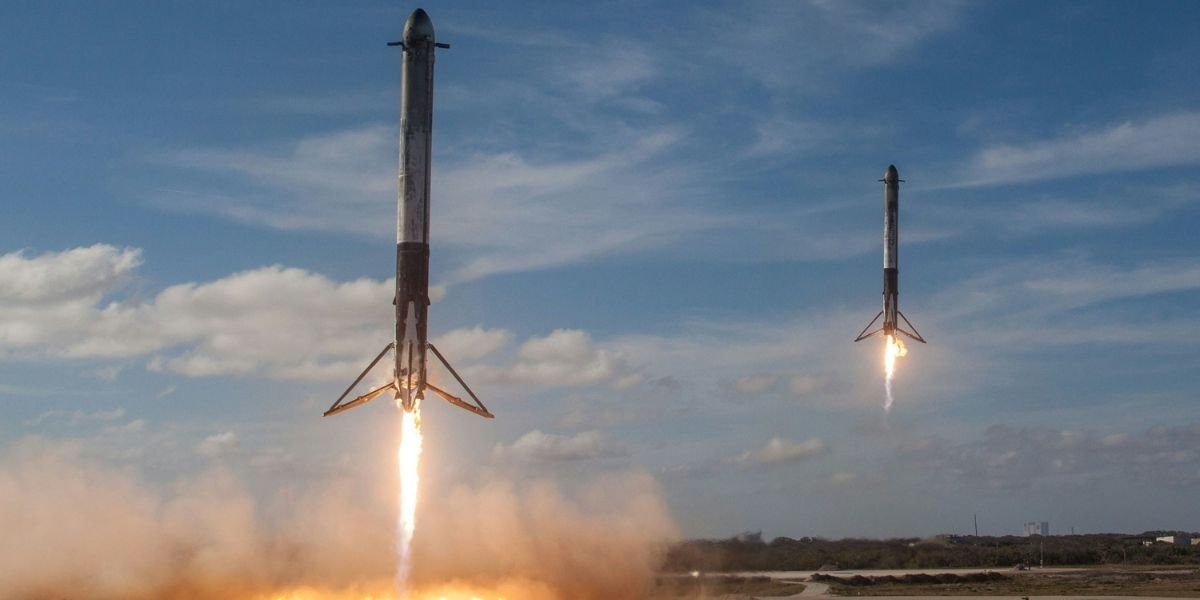
SpaceX launched 27 Starlink satellites from Vandenberg Space Force Base, sending the spacecraft into low Earth orbit aboard a Falcon 9 rocket. The flight from California’s Central Coast also included a successful landing of the rocket’s reusable first stage on a droneship in the Pacific Ocean.
Key Takeaways
- A Falcon 9 rocket launched 27 Starlink satellites from Space Launch Complex 4 East at Vandenberg Space Force Base.
- The October 27 mission lifted off shortly after midnight Pacific time.
- The rocket’s first-stage booster landed on the Of Course I Still Love You droneship.
- The satellites are intended to join SpaceX’s low Earth orbit broadband network.
- Vandenberg’s coastal location supports polar and other high-inclination orbital launches.
Falcon 9 Launches Starlink Satellites From Vandenberg
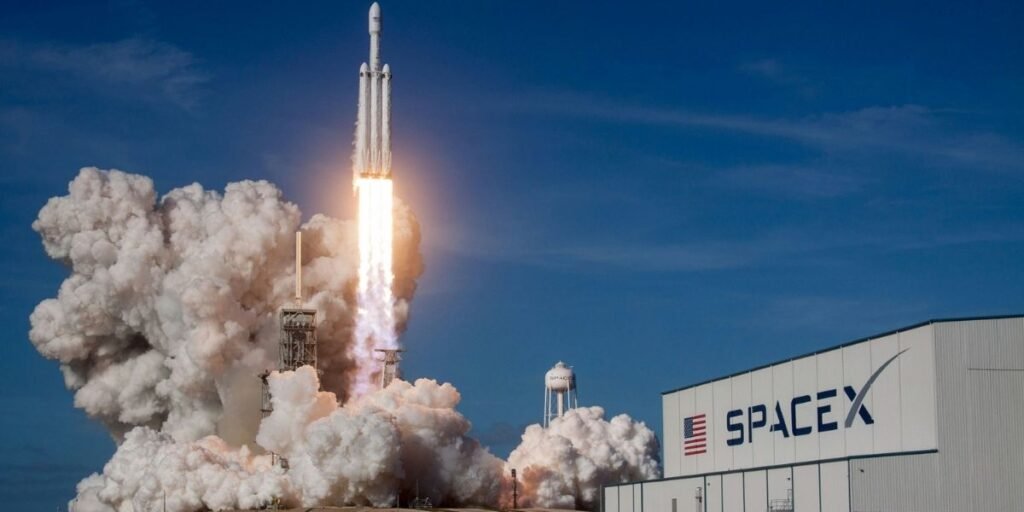
Falcon 9 lifted off at 12:25 a.m. Pacific Daylight Time on Tuesday, October 27. The rocket carried the Starlink Group 15-16 payload, consisting of 27 satellites, from Space Launch Complex 4 East in Santa Barbara County.
The flight followed earlier Starlink launches from California, including a May mission whose illuminated exhaust plume was visible across parts of the western United States. Vandenberg continues to serve as a West Coast launch site for SpaceX’s satellite missions.
During the October flight, Falcon 9’s first stage powered the initial ascent before separating from the upper stage. The upper stage continued toward orbit with the satellite payload, while the booster began its return to Earth.
New Satellites Join Starlink’s Low Earth Orbit Network
Starlink uses satellites in low Earth orbit, ground infrastructure and customer terminals to provide broadband internet service. Operating closer to Earth than geostationary satellites generally reduces signal travel time, an important factor in the network’s communications performance.
The 27 spacecraft launched from California are intended to become part of that constellation. After deployment, satellites must complete the necessary orbital adjustments and checks before they can enter service.
The number of satellites carried on a mission does not, by itself, establish how much additional coverage or capacity the network gains. Their contribution depends on their assigned orbits, operational status and integration with the existing constellation.
Falcon 9 Booster Lands on a Pacific Droneship
Following stage separation, the Falcon 9 first-stage booster landed on the Of Course I Still Love You droneship stationed in the Pacific Ocean. The booster, identified as B1082, completed its 26th flight on the mission.
Falcon 9’s two-stage design allows the upper stage to continue carrying its payload toward orbit while the first stage returns for recovery. An offshore landing platform provides a designated recovery site along the booster’s return trajectory.
Recovering the first stage gives SpaceX the opportunity to inspect, maintain and potentially reuse the hardware. A successful landing does not automatically clear a booster for another flight; its condition must be evaluated after recovery.
Vandenberg Supports California’s Satellite Launch Operations
Vandenberg Space Force Base occupies a coastal location in Santa Barbara County that allows rockets to travel over the Pacific Ocean. Its geography is particularly useful for launches into polar and other high-inclination orbits, which serve applications including Earth observation and communications.
Aerospace is also among the industries included in California’s regional economic-development investments, alongside technology and advanced manufacturing. These broader initiatives form part of the state’s industrial landscape, separate from SpaceX’s launch operations.
Missions at Vandenberg involve coordination among launch providers, range personnel, technical crews and payload operators. The base accommodates government and commercial launches as well as Starlink deployments.
The October 27 mission demonstrated two capabilities used in SpaceX’s California operations: delivering communications satellites into orbit and recovering a first-stage booster for potential reuse.
Frequently Asked Questions
How many Starlink satellites did SpaceX launch from California?
SpaceX launched 27 Starlink satellites as part of the Starlink Group 15-16 mission on October 27, 2026.
Where did the Falcon 9 rocket launch?
The rocket lifted off from Space Launch Complex 4 East at Vandenberg Space Force Base in Santa Barbara County, California.
Where did the first-stage booster land?
The booster landed on the Of Course I Still Love You droneship in the Pacific Ocean.
Why does SpaceX use Vandenberg for satellite launches?
Vandenberg provides launch paths over the Pacific Ocean suited to polar and other high-inclination orbits.
Do Starlink satellites begin providing service immediately after launch?
Not necessarily. Newly deployed satellites must complete orbital positioning and commissioning procedures before entering service.