
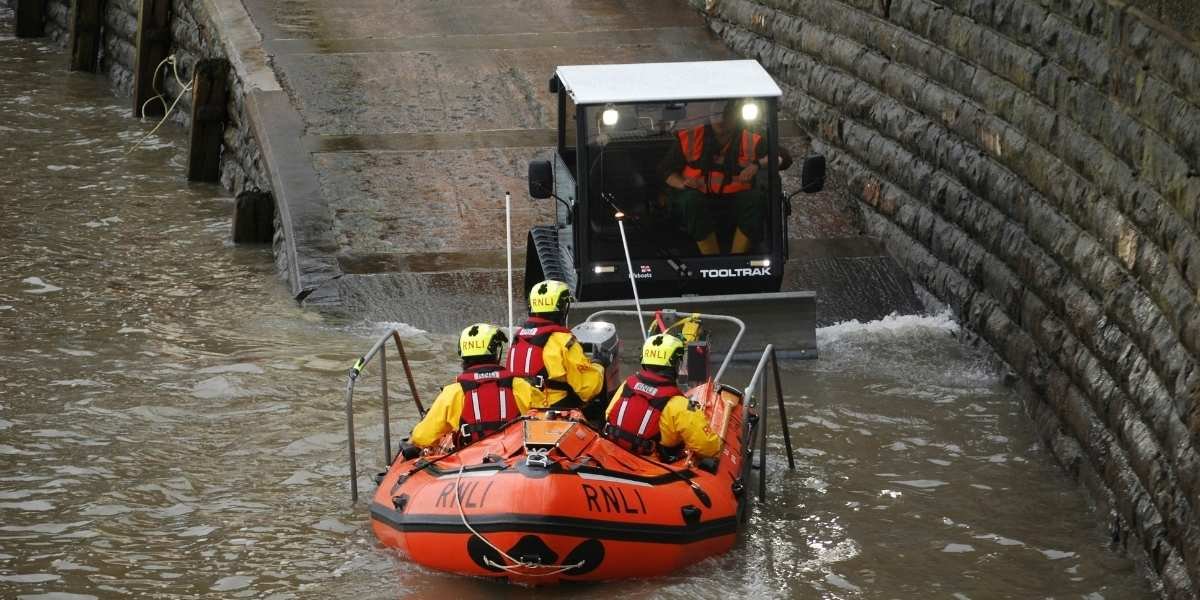
California is upgrading equipment for 13 local fire department swiftwater rescue teams ahead of the winter storm season. Announced on October 8, 2026, the initiative includes new vehicles, rescue boats, trailers and protective gear to strengthen emergency responses to flooding, fast-moving rivers and other hazardous water conditions.
Key Takeaways
- California is modernizing equipment for all 13 teams in its statewide Swiftwater Rescue Program
- Each Type 1 team will receive two motorized inflatable rescue boats
- Upgrades include four-wheel-drive tow vehicles, rescue trailers and protective equipment
- Teams can deploy across jurisdictions through California’s Fire and Rescue Mutual Aid System
- The initiative supports emergency readiness ahead of potentially significant winter storms
California Flood Preparedness Initiative Covers 13 Rescue Teams
California’s Governor’s Office of Emergency Services (Cal OES) is replacing and modernizing equipment assigned to 13 swiftwater rescue teams operated by local fire departments. The upgrades are intended to strengthen the state’s ability to respond to flooding and other dangerous water emergencies.
The initiative was announced by Governor Gavin Newsom as California prepares for potentially significant winter storms. Forecasts indicating higher winter flood risks have raised concerns about heavy rainfall, atmospheric rivers and flooding in vulnerable communities.
The equipment will support California’s Type 1 swiftwater rescue teams, which are staffed by firefighters trained to operate in challenging water environments. These teams respond to emergencies involving flooded roads, rapidly rising water and people stranded by dangerous currents.
Participating departments can use the equipment during local emergencies or deploy their teams elsewhere in California when additional assistance is requested.
The upgrades are designed to improve equipment readiness and mobility. Their operational impact will depend on incident conditions, trained personnel and the availability of resources during emergencies.
New Vehicles and Rescue Boats Expand Emergency Equipment
The equipment package includes heavy-duty four-wheel-drive tow vehicles, rescue trailers, motorized inflatable boats, protective gear and specialized rescue tools.
Each of the 13 Type 1 swiftwater rescue teams will receive two motorized inflatable boats to support operations in flooded areas and fast-moving water.
The four-wheel-drive vehicles will help transport rescue trailers and specialized equipment to emergency locations. The trailers are designed to move boats, tools and other essential resources needed during water rescue operations.
Updated personal protective equipment will also support firefighters working in hazardous conditions. Specialized tools and modern technology are included to assist with complex rescue activities.
These additions address several operational requirements, including equipment transportation, access to rescue locations and responder protection.
Rescue teams will continue to assess water conditions, road accessibility and other hazards before determining appropriate response methods.
Swiftwater Teams Operate Through the Statewide Mutual Aid System
California’s Fire and Rescue Mutual Aid System coordinates emergency personnel and equipment across jurisdictional boundaries. Local fire departments maintain their own resources while making specialized assistance available to other communities when needed.
The system is particularly important during widespread storms that affect multiple areas simultaneously. Flooding can interrupt transportation routes, overwhelm drainage systems and create emergencies that require resources beyond those available locally.
During the December 2025 storm emergency, severe rainfall and flooding affected several California counties, creating transportation disruptions and emergency response challenges. Such incidents demonstrate the importance of coordinating resources across jurisdictions.
Under the mutual-aid system, emergency managers can request additional personnel, rescue equipment and specialized teams when an incident exceeds local response capacity.
Cal OES helps coordinate these resources and supports deployments according to emergency conditions and operational requirements.
The 13 swiftwater rescue teams form part of this statewide response network. Their specialized equipment can support operations involving flooded neighborhoods, waterways and other locations where hazardous water conditions complicate rescue efforts.
Equipment readiness is an important component of mutual aid because teams may be assigned to incidents beyond their home communities. Maintaining appropriate vehicles, boats and protective gear helps ensure resources are available for deployment when requested.
Specialized Equipment Supports Responses to Flood Emergencies
Swiftwater rescue operations involve hazards that require specialized training, protective equipment and careful assessment. Fast-moving currents, submerged obstacles and changing water levels can create difficult conditions for emergency responders.
Motorized inflatable boats provide access to locations where conventional vehicles cannot operate safely. Rescue trailers allow teams to transport boats and other equipment to incident sites, while protective gear supports firefighters working near or in dangerous water.
The upgraded vehicles and equipment are intended to improve operational capabilities, but rescue conditions vary by location and incident severity.
Water depth, current speed, debris and road conditions can affect how teams approach emergencies. Responders must evaluate these factors before determining whether and how rescue operations can proceed.
Public safety measures remain important alongside emergency response capabilities. Residents should follow official warnings, comply with evacuation instructions and avoid driving or walking through floodwater.
California Strengthens Rescue Capacity Ahead of Winter Storms
California’s winter storms can bring prolonged rainfall, flash flooding, landslides and debris flows. These hazards vary across the state, with local geography, drainage conditions and rainfall intensity influencing the severity of individual events.
The swiftwater rescue equipment initiative is part of the state’s preparations for these conditions. By modernizing resources assigned to specialized teams, Cal OES aims to support local emergency response and statewide mutual-aid operations.
The upgrades also complement broader preparedness activities, including emergency planning, infrastructure maintenance and coordination among local and state agencies.
Effective emergency response depends on more than equipment availability. Firefighters require appropriate training, operational coordination and reliable information about conditions at incident sites.
Residents can contribute to preparedness by monitoring weather alerts, identifying evacuation routes and following instructions from local emergency officials. Flooded roads should be avoided because water depth, currents and underlying road damage may be difficult to assess.
The planned distribution of vehicles, boats, trailers and protective equipment provides California’s swiftwater rescue teams with modernized resources for hazardous water emergencies. These resources will support the state’s coordinated approach to flood response as communities prepare for winter storms.
Frequently Asked Questions
What Equipment Is Included in California’s Swiftwater Rescue Upgrades?
The upgrades include heavy-duty four-wheel-drive tow vehicles, rescue trailers, two motorized inflatable rescue boats per team, updated protective equipment and specialized rescue tools. Modern technology is also included to support water rescue operations.
How Many California Rescue Teams Are Covered by the Initiative?
The initiative covers all 13 Type 1 teams in California’s Swiftwater Rescue Program. These teams are staffed by trained local government firefighters who can respond within their communities or deploy elsewhere when additional assistance is needed.
Which Agency Coordinates California’s Statewide Swiftwater Rescue Program?
The California Governor’s Office of Emergency Services coordinates statewide emergency response resources. The swiftwater teams operate through California’s Fire and Rescue Mutual Aid System, which supports cooperation among emergency response agencies.
What Types of Emergencies Do Swiftwater Rescue Teams Respond To?
Swiftwater rescue teams respond to flash floods, fast-moving rivers, flooded roads and other hazardous water emergencies. Their training and specialized equipment support operations involving people stranded or endangered by dangerous water conditions.
How Does California’s Fire and Rescue Mutual Aid System Operate?
The system allows participating fire and rescue agencies to share personnel, equipment and specialized resources across jurisdictions. When an emergency exceeds local response capacity, additional teams can be requested to support operations in the affected community.