
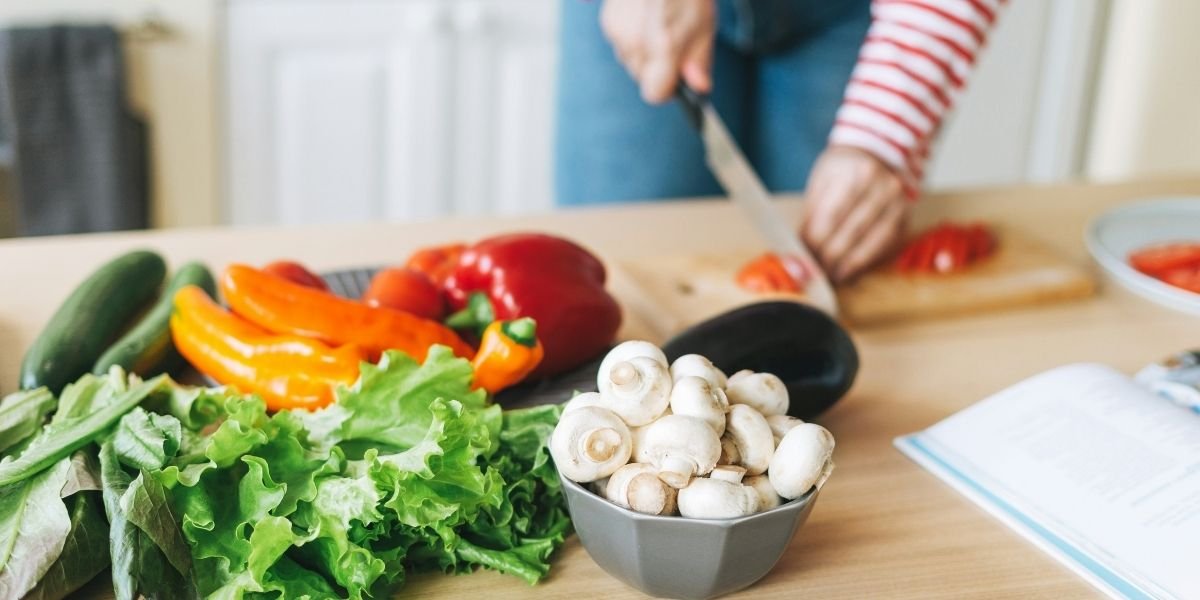
In 2026, California introduced significant updates to its food laws, offering more opportunities for residents to operate home-based food businesses. These changes, which build on the state’s Cottage Food Act, expand the range of low-risk foods allowed for sale from home kitchens and simplify the regulatory process for entrepreneurs. The new legislation aims to support local economies and provide flexible income options, particularly for marginalized groups such as women and immigrants.
Expansion of Cottage Food Operations
California’s Cottage Food Act has long allowed residents to prepare and sell certain low-risk foods from their home kitchens. The state’s 2026 updates to the law now broaden the scope of foods eligible for cottage food production, including baked goods, jams, candies, and packaged snacks. Additionally, the legislation increases the annual revenue cap for cottage food operators, providing small businesses with more room to grow before they need to transition to commercial kitchens. These adjustments are expected to benefit local entrepreneurs, especially those with limited resources.
While these changes mark a significant step forward, it is important to note that the updates are part of ongoing legislative efforts, building on earlier reforms such as Assembly Bill 1325 from 2023. These previous reforms already raised sales limits and allowed for online sales across counties, which has helped expand opportunities for food business owners. However, there is no separate 2026 law that fully overhauls the Cottage Food Act.
Microenterprise Home Kitchen Operations (MEHKO)
A central component of California’s new food laws is the expansion of Microenterprise Home Kitchen Operations (MEHKO). Introduced in 2018 and piloted in Riverside County, the MEHKO program allows residents to prepare and sell meals directly from their home kitchens. The 2026 law encourages counties throughout the state to adopt MEHKO frameworks, opening the door for small-scale home restaurants.
Under the MEHKO framework, operators must meet several requirements to ensure food safety and consumer protection. This includes registering with local health departments, completing food safety training, and adhering to labeling and inspection standards. The program has been heralded as a way to encourage entrepreneurship while ensuring food safety standards are maintained. By providing a pathway for individuals to run small home-based food businesses, the MEHKO program also helps foster local economies by creating accessible business opportunities for individuals from various backgrounds.
Despite the promising expansion, MEHKO participation remains contingent on county-level adoption. Some counties have been slower to implement the program, creating disparities in access across the state.
Streamlined Permitting and Regulatory Oversight
The 2026 legislation simplifies the permitting process for home-based food business operators. Applicants are still required to complete food safety training, obtain necessary licenses, and follow labeling guidelines. However, the new law aims to make the process more efficient and accessible by reducing administrative barriers. As a result, more residents are expected to take advantage of the opportunity to start their own food businesses.
Local health departments play a critical role in overseeing these operations, ensuring that home kitchens comply with safety regulations. Although permitting processes have been streamlined, periodic inspections will continue to ensure public health standards are met. While the simplification of the process is a win for aspiring entrepreneurs, some concerns remain about uneven enforcement across counties, which could lead to inconsistencies in compliance and inspection practices.
Economic Impact and Community Benefits
The updated food law is expected to have a positive economic impact on local communities. By supporting home-based food businesses, the law empowers residents to turn their culinary skills into viable income streams. For many entrepreneurs, cottage food operations and MEHKO programs serve as stepping stones to larger businesses. As these operators expand, some may move from their home kitchens into storefronts or commercial kitchens, further boosting the local economy.
The new regulations also have a particular impact on marginalized groups, including women and immigrants, who have historically been active in cottage food production. Many of these entrepreneurs operate businesses that cater to local communities, often providing culturally relevant food options. By reducing barriers to entry and offering a pathway to entrepreneurship, the law helps create economic opportunities and promotes diversity in the food business landscape.
Challenges and Considerations
While the new law opens up opportunities, challenges persist. Home-based food operators still face the complexities of navigating zoning laws, ensuring food safety compliance, and competing with established commercial producers. Additionally, industry groups have expressed concerns about inconsistent enforcement across counties, which could lead to disparities in inspection practices and safety standards.
The expansion of MEHKO programs, while beneficial, also places additional strain on local health departments, which are responsible for monitoring compliance. Some local officials have raised concerns that increased demand for home-based meal programs could stretch resources and lead to delays in inspections.
Despite these challenges, the new law reflects a broader trend in California and nationwide toward supporting micro-enterprise and diversifying food production models. By providing more accessible options for entrepreneurship, the state is fostering innovation in the food business sector and empowering local residents to build sustainable businesses from their homes.