
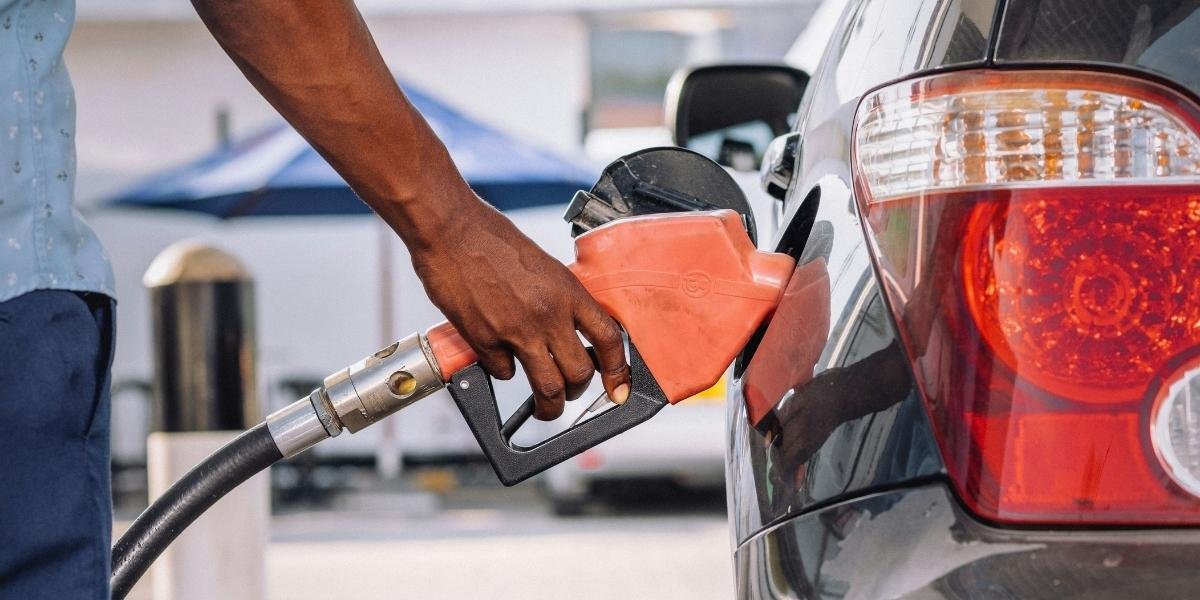
California’s California gas tax increase took effect on July 1, 2026, raising the state’s gasoline excise tax as millions of residents prepared for Fourth of July travel. The annual adjustment applies to gasoline sold throughout California and affects drivers, businesses with vehicle fleets, and travelers heading into one of the busiest holiday weekends of the year.
Key Takeaways
- California’s gasoline excise tax increased on July 1, 2026.
- The adjustment applies to gasoline purchases made across the state.
- The tax change took effect before the Fourth of July holiday travel period.
- Fuel retailers began collecting the updated tax rate on July 1.
- The annual adjustment is part of California’s scheduled fuel tax framework.
California implemented its annual gasoline excise tax adjustment on July 1, increasing the tax applied to each gallon of gasoline sold statewide. The adjustment is made under California law and became effective at the beginning of the new fiscal year.
Drivers purchasing gasoline after the effective date began paying the updated tax through retail fuel prices. The increase applies throughout California regardless of where motorists purchase fuel within the state.
The gasoline excise tax is separate from the price set by fuel suppliers and retailers. Market conditions, distribution costs, refining expenses, and local competition continue to influence pump prices alongside state taxes and other fees. Readers interested in other transportation funding proposals can learn more about the state’s gas mileage tax proposal and how it differs from the existing fuel tax system.
The July 1 adjustment was implemented as scheduled under California’s existing fuel tax framework. State agencies and fuel distributors incorporated the revised rate into transactions beginning on the effective date.
Updated Fuel Tax Rate
California adjusts its gasoline excise tax periodically through a process established under state law. The annual adjustment is intended to maintain transportation funding by accounting for changes specified in the state’s fuel tax formula.
The updated rate became effective statewide on July 1 and applies to gasoline purchases made after the adjustment took effect. Fuel retailers collect the tax as part of the overall price consumers pay at the pump.
The change does not alter how gasoline is sold or distributed but changes the amount of state excise tax included in fuel purchases.
How Does the Fuel Tax Increase Affect California Drivers?
The tax adjustment affects anyone purchasing gasoline in California, including commuters, families traveling during the holiday weekend, commercial vehicle operators, and businesses that rely on gasoline-powered fleets.
For many motorists, the impact appears as part of the total price displayed at service stations. Although gasoline prices continue to fluctuate because of crude oil markets, refining capacity, seasonal demand, and regional supply conditions, the updated excise tax is one component contributing to the final retail price. Drivers monitoring fuel expenses may also want to understand how the state’s gas price transparency law is intended to influence gasoline markets and pricing oversight.
Businesses operating delivery vehicles, service fleets, or transportation services may also see higher fuel expenses depending on their gasoline consumption. Companies that operate across multiple locations within California are subject to the same statewide excise tax adjustment.
Consumers planning longer road trips during the Independence Day holiday may notice the increase while budgeting transportation costs. Holiday travel often results in higher fuel demand as residents travel throughout the state for vacations, family gatherings, and community celebrations.
Statewide Impact on Drivers
The tax applies uniformly across California rather than varying by county or city. Regardless of where gasoline is purchased, motorists pay the updated state excise tax in addition to any applicable local taxes or fees.
Drivers may still encounter different pump prices between regions because retailers establish prices based on local operating costs, fuel supply, competition, transportation expenses, and other market factors.
Why Did the Gas Tax Increase Take Effect on July 1?
California schedules its gasoline excise tax adjustment to take effect on July 1 as part of the state’s annual fiscal calendar.
The adjustment is made under California’s fuel tax system, which provides funding for transportation-related purposes. The annual update follows the schedule established in state law rather than being tied to seasonal travel patterns or individual holiday periods.
The effective date coincides with the beginning of California’s new fiscal year, when various statewide laws, tax adjustments, and administrative changes also become effective.
The July 1 implementation allows fuel distributors, retailers, and state agencies to begin applying the revised tax rate simultaneously across California.
While the adjustment became effective immediately, gasoline prices at individual stations may continue to change over time based on wholesale fuel costs and other market conditions beyond the state excise tax.
How Could the Change Influence Fourth of July Travel Costs?
The timing of the California gas tax increase places the adjustment immediately before one of the busiest travel periods of the summer.
Many California residents travel by car during the Independence Day holiday to visit family members, attend community events, or reach recreational destinations throughout the state. As a result, gasoline purchases typically increase during the holiday period.
Holiday Travel Timing
Motorists beginning holiday trips after July 1 purchase gasoline under the updated tax rate. Travelers planning longer drives may include fuel costs when estimating transportation expenses for the holiday weekend.
The increase affects both residents traveling within California and visitors purchasing gasoline while driving through the state.
Although the tax adjustment contributes to fuel costs, the final amount consumers pay at the pump continues to depend on several factors, including wholesale gasoline prices, regional supply conditions, retailer pricing, and local operating expenses.
Travelers may compare prices among stations before beginning their trips, particularly in areas where retail gasoline prices vary because of local competition and distribution costs.
Public transportation users are generally not affected directly by the gasoline excise tax when using transit services, although businesses operating gasoline-powered vehicles may account for higher operating expenses in their budgets.
Frequently Asked Questions
Why did California’s gas tax increase on July 1, 2026?
The annual gasoline excise tax adjustment took effect on July 1 under California’s existing fuel tax framework, which schedules updates at the beginning of the state’s fiscal year.
How much did California’s gasoline tax increase?
California implemented an updated statewide gasoline excise tax rate effective July 1, 2026. The revised rate applies to gasoline purchases made after the effective date.
Who is affected by California’s new gas tax?
Anyone purchasing gasoline in California is affected, including residents, commuters, businesses operating gasoline-powered vehicles, commercial fleets, and visitors traveling within the state.