
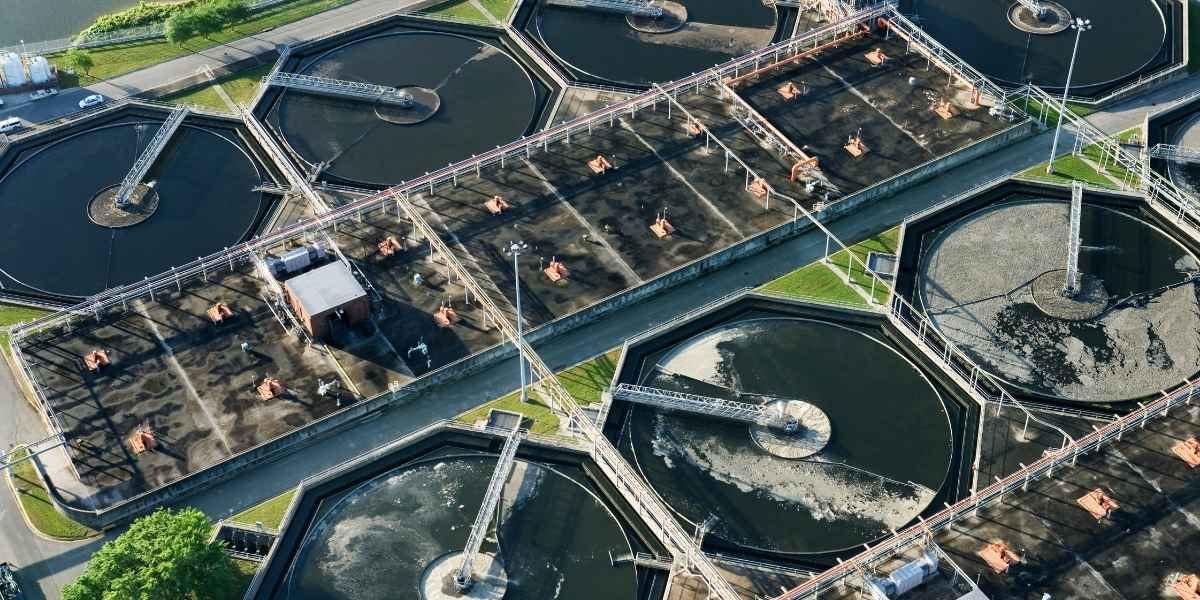
California has secured $540 million in new federal funding to modernize its water infrastructure, a crucial step in addressing ongoing challenges tied to severe drought conditions, the impacts of climate change, and the aging state of water delivery systems. This funding is a vital part of a broader push to ensure reliable water access for California’s population and industries, which are facing mounting pressures to adapt to more extreme weather patterns. The funding marks a critical moment for the state as it looks to fortify its water systems and support sustainable water management practices for generations to come.
Strengthening Water Systems Amid Climate Pressures
As California grapples with frequent and severe droughts, the need for modernized and resilient water infrastructure has never been more urgent. The funding is being directed toward repairing and upgrading critical components of the state’s water management systems. California’s water systems have long struggled with the dual challenges of increasing demand and unpredictable supply. With the impacts of climate change becoming more pronounced, officials are emphasizing the need to build infrastructure capable of adapting to these shifting conditions.
The funding will primarily focus on improving water storage and delivery, with an eye toward ensuring that both urban and rural communities have consistent access to water, even in the face of prolonged dry spells. The state’s water systems are under pressure due to more frequent droughts and reduced snowmelt in the Sierra Nevada mountains, which traditionally provided a significant portion of the state’s water supply. These changes underscore the importance of securing a reliable water supply for agriculture, households, and industries that depend on it.
This funding will support a variety of projects, ranging from the rehabilitation of damaged canals to the construction of new facilities that can improve the state’s water storage and management capacity. In addition to addressing drought-related challenges, the funding will also support efforts to create climate-resilient infrastructure that can withstand extreme weather conditions, such as unpredictable rainstorms and heatwaves.
Focused Funding for Critical Water Infrastructure Projects
The $540 million allocated to California’s water infrastructure projects will be distributed across several high-priority initiatives aimed at addressing the most pressing needs within the state. A significant portion of this funding will be dedicated to repairing major water delivery systems that have been negatively impacted by land subsidence. One of the largest allocations, $235 million, will go toward the Delta-Mendota Canal, a key route for water delivery to the Central Valley. Similarly, $200 million will be used to repair the Friant-Kern Canal, another critical waterway that serves agricultural regions in the Central Valley.
Both canals have suffered extensive damage due to land sinking, a consequence of excessive groundwater pumping. Land subsidence has led to reduced water flow, making it more difficult to deliver water to areas that depend on these canals. The repair work will help restore the canals’ ability to convey water efficiently, ensuring that water reaches its destination, especially during drought periods.
In addition to these repairs, the funding will also support planning for the controversial Shasta Dam raise project. Though this project has faced opposition from environmental groups, the state is pressing forward with the planning phase, which will be funded with approximately $40 million from this allocation. Raising the dam would increase its storage capacity, providing more water during drought years. However, concerns about environmental impacts and tribal rights remain ongoing, and the project will require further approvals before moving forward.
These projects reflect a focused effort to tackle some of the most urgent issues facing California’s water infrastructure. By addressing the physical damage to these vital water delivery systems, the state aims to improve water reliability and ensure that agricultural and residential communities receive adequate water supplies, even during periods of extreme drought.
Reducing Regional Disparities in Water Access
California’s funding package also aims to address the regional disparities in water access, particularly in areas that have faced chronic water shortages or contamination. While urban centers like Los Angeles and San Francisco generally have reliable access to water, rural and agricultural areas, especially in the Central Valley, often experience challenges related to water quality and access.
The $540 million will fund a series of localized projects aimed at improving water access and reducing inequities in supply across the state. Projects will be tailored to meet the specific needs of different regions, ensuring that those in the most underserved areas benefit from upgrades to water infrastructure. This focus on equitable distribution will also help address areas with significant water contamination, providing communities with access to cleaner, safer drinking water.
By directing resources to the most vulnerable regions, the funding will help ensure that all Californians, regardless of their location, have reliable access to clean and safe water. This is an essential step in fostering a more sustainable and equitable water future for the state.
Economic and Community Benefits from Water Infrastructure Projects
In addition to improving water security, the $540 million allocation for water infrastructure projects is expected to stimulate local economies across California. Construction jobs related to the repair and upgrading of water infrastructure will create employment opportunities for workers in both rural and urban areas. These construction projects will provide short-term economic benefits, while the long-term improvements to water systems will have lasting effects on the state’s economy.
Reliable water access is crucial to California’s agricultural sector, which contributes significantly to the state’s economy. With more stable water supplies, farmers and ranchers will be better equipped to plan for future crops and reduce the risks associated with water scarcity. This will help strengthen the agricultural economy and ensure that California remains a global leader in food production.
Furthermore, communities will benefit from improved public health outcomes as a result of cleaner water systems and better access to safe drinking water. The long-term benefits of these infrastructure improvements will have a positive impact on the quality of life for residents, ensuring that they can continue to thrive even as the state faces the challenges of climate change.
A Long-Term Strategy for Building Resilience
The $540 million funding is part of California’s broader strategy to build resilience in the face of climate change and population growth. With the state’s population expected to continue growing, the demand for water will only increase, placing further strain on existing infrastructure. Modernizing the state’s water systems is not only essential for addressing current challenges but also for ensuring that future generations have access to clean and reliable water.
By prioritizing water infrastructure projects now, California is positioning itself to better manage its water resources in the future. The state’s commitment to building climate-resilient systems and ensuring equitable access to water highlights the importance of securing long-term water sustainability. This strategy not only protects the environment but also supports the state’s economic future by fostering a more stable and predictable water supply for both urban and agricultural needs.