A Central Valley pilot project is testing solar canopies installed above working irrigation canals, combining electricity generation with water-conservation research. Project Nexus involves Turlock Irrigation District, UC Merced and California water officials, with researchers measuring evaporation, aquatic weed growth and the practical performance of the infrastructure.
Key Takeaways
- Project Nexus is testing solar canopies above operational irrigation canals in California’s Central Valley.
- The project examines whether canal shading can reduce water evaporation.
- Researchers are also measuring changes in aquatic weed growth beneath the solar structures.
- The pilot combines renewable-energy generation with existing agricultural water infrastructure.
- California officials are evaluating the project’s results before considering broader applications.
Project Nexus Tests Solar Canopies Above California Irrigation Canals
California solar canals are being tested through Project Nexus, a Central Valley pilot that places solar canopies above working irrigation channels. The project combines renewable electricity generation with research into water evaporation and aquatic weed growth, using existing irrigation infrastructure as the setting for the study.
The project involves Turlock Irrigation District, UC Merced and California water officials. Turlock Irrigation District provides the irrigation canal infrastructure, while researchers are studying the effects of placing solar structures over the waterway.
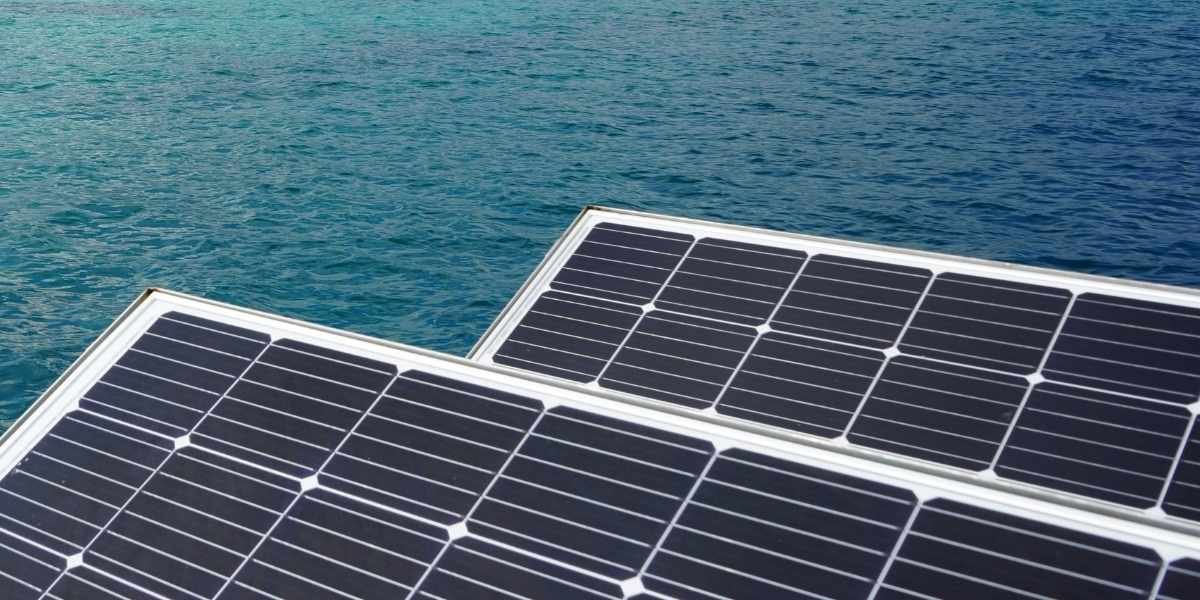
The central feature of Project Nexus is the installation of solar panels above sections of operational canals. Instead of placing the panels on separate land, the project uses the space above existing water infrastructure.
The approach is being tested in a region where agricultural water availability is a longstanding operational issue. Recent coverage of Central Valley water challenges has examined the pressures facing agriculture, including water scarcity and the adoption of more water-efficient practices.
Researchers are examining the effects of the canopies on the canal environment while also measuring their practical performance. The research includes observations of water evaporation and aquatic weed growth beneath the structures.
The project therefore combines two functions in the same physical area. The solar canopies are designed to generate electricity while the shade created over the canals is being studied for its effect on water loss.
The Central Valley location connects the research directly to an existing agricultural water system. The canals used by the project remain part of the irrigation infrastructure while the solar installations are evaluated.
Central Valley Researchers Measure Water Loss and Weed Growth
Water evaporation is one of the main areas being studied through Project Nexus. The solar canopies place shade over sections of the canals, allowing researchers to measure whether reduced exposure to the surrounding conditions results in less water loss.
The project is not limited to measuring evaporation. Researchers are also examining aquatic weed growth beneath the solar structures.
Aquatic vegetation can grow in irrigation canals, making changes in the canal environment relevant to the project’s research. The solar canopies alter the amount of direct sunlight reaching sections of the waterway, giving researchers an opportunity to measure changes in vegetation.
The measurements are being conducted as part of the project’s broader evaluation of solar-over-canal infrastructure. Researchers are studying the practical effects rather than treating water conservation as a separate system from electricity generation.
This approach allows the project to examine several outcomes from the same installation. Water evaporation, aquatic weed growth and renewable electricity generation are being considered together as part of the pilot.
The findings from the canal sites can provide information about the practical operation of solar structures above working waterways. Researchers can assess the infrastructure in an active irrigation setting rather than examining the concept only through laboratory or theoretical work.
The Central Valley setting also allows the research to be conducted alongside agricultural water delivery. The canals continue to serve their intended function while the effects of the solar structures are measured.
Turlock Irrigation District Provides the Working Canal Infrastructure
Turlock Irrigation District is providing the canal infrastructure used for Project Nexus. The district’s participation allows the solar canopies to be tested above operating irrigation channels rather than on a separate demonstration site.
The project uses sections of the district’s canal system for the solar installations. This setup allows researchers to observe the structures under practical conditions while the canals continue to serve their water-delivery function.
The arrangement also connects the energy and water components of the project in one location. Electricity can be generated from the solar panels while researchers examine the effect of the structures on the water below.
Turlock Irrigation District’s role is central to the physical operation of the pilot. The district provides the canal setting in which the technology and its effects can be measured.
The use of existing irrigation infrastructure also distinguishes the project from solar installations that require separate land. California has separately examined solar development on farmland, including proposals involving water-constrained agricultural acreage in the San Joaquin Valley.
California water officials are also involved in the project. Their participation places the research within a state context involving both water infrastructure and renewable-energy development.
The pilot is structured as a collaboration involving the irrigation district, UC Merced and California water officials. Each organization contributes to different parts of the project, including the infrastructure and research needed to evaluate the solar-over-canal design.
The use of existing irrigation infrastructure is a defining feature of Project Nexus. The project is testing whether solar generation and water-management objectives can be addressed within the same installation.
UC Merced Research Examines Water and Energy Performance
UC Merced researchers are responsible for studying the performance of Project Nexus and collecting information from the canal sites. Their work focuses on the effects of the solar canopies on water and the surrounding canal environment.
The research includes measurements related to evaporation and aquatic weed growth. These observations are intended to establish how the covered sections of the canals perform compared with the conditions being studied at the project sites.
Energy generation is another part of the evaluation. The solar panels are being used to produce renewable electricity while researchers examine the water-related effects of the structures.
This combination gives Project Nexus a dual research purpose. The solar equipment must function as an energy system, while the canopies also create physical changes over the irrigation channels.
The research can therefore provide information about both sides of the installation. Electricity generation shows the energy function of the panels, while evaporation and vegetation measurements provide information about the water and canal environment.
The project also gives UC Merced researchers an opportunity to study solar infrastructure in an active irrigation system. Rather than treating the canal as an isolated research setting, the pilot places the technology within existing water infrastructure.
The findings from the research will help California officials evaluate the performance of the approach. Water savings, aquatic vegetation and electricity generation are among the factors being examined through the project.
The research also fits within a California agricultural environment where water availability affects operational decisions. The state’s Central Valley agriculture sector uses extensive irrigation infrastructure, making canal performance relevant to the practical evaluation of the project.
California Evaluates Results Before Wider Canal Deployment
Project Nexus is being used to evaluate solar-over-canal infrastructure before California considers broader applications. The pilot allows researchers and state officials to collect information about the technology’s performance in an operating irrigation system.
The project’s water-conservation component centers on reduced evaporation. Solar canopies create shaded areas above the canals, and researchers are measuring the resulting effects on water loss.
The project also examines aquatic weed growth. Changes in sunlight reaching the water can affect vegetation, making weed growth another measurable outcome of the installations.
Renewable electricity generation provides the other principal component of the pilot. The solar panels use the space above the canals to generate electricity while the canal remains part of the irrigation system.
These elements give California officials several measures for evaluating the project. Water evaporation, aquatic vegetation and energy production can be considered together when assessing the performance of the solar canopies.
The approach also places existing water infrastructure at the center of the test. Rather than creating a separate facility solely for solar generation, Project Nexus places the energy infrastructure above an existing canal system.
The results will inform the assessment of solar panels over irrigation canals in California. The pilot’s purpose is to provide practical information about the design, operation and effects of combining solar generation with canal infrastructure.
Frequently Asked Questions
What are California solar canals?
California solar canals are irrigation canals fitted with solar canopies above sections of the waterway. Project Nexus is testing the approach in the Central Valley to study electricity generation, water evaporation and aquatic weed growth.
How does Project Nexus use solar panels over irrigation canals?
Project Nexus installs solar canopies above working irrigation canals operated by Turlock Irrigation District. The panels generate renewable electricity while researchers measure their effects on the water and canal environment.
Can solar panels over canals reduce water evaporation?
Reducing water evaporation is one of the main research objectives of Project Nexus. The canopies create shade over the canals, and researchers are measuring the resulting effect on water loss.
Where is California’s Project Nexus located?
Project Nexus is being tested in California’s Central Valley using sections of Turlock Irrigation District’s irrigation canal system.
Which organizations are involved in the California solar canal project?
Project Nexus involves Turlock Irrigation District, UC Merced and California water officials. The organizations are working together to test the solar-over-canal approach and evaluate its water and energy performance.