

Federal Plan To Support Ranchers
California’s ranchers are watching closely as the U.S. Department of Agriculture (USDA) unveils a plan designed to stabilize the beef sector. The framework focuses on three areas: strengthening ranching through disaster relief and grazing access, expanding processing capacity, and improving transparency in cattle markets. According to AgNet West, the plan is intended to ease price pressures on consumers while giving producers more reliable tools to manage risk.
For California’s Central Valley, where cattle production is a key part of the agricultural economy, the plan could provide needed stability. Ranchers have faced volatile prices and high input costs, making long‑term planning difficult. By expanding processing and clarifying market information, the USDA hopes to reduce uncertainty for producers.
The plan also emphasizes building demand for domestically raised beef. For California ranchers, this could mean stronger local markets and more opportunities to connect with consumers who want to know where their food comes from.
Technology In The Fields
Alongside federal policy, new technologies are being tested in California fields to improve efficiency. Electrostatic sprayers, highlighted by AgNet West, are designed to reduce water and chemical use by ensuring more precise application. For growers facing high costs and limited water supplies, this technology offers a practical way to stretch resources further.
Artificial intelligence is also being introduced into farm management. AI tools can analyze soil conditions, weather patterns, and crop health, helping farmers make decisions that conserve water and reduce waste. These tools are still being refined, but early trials suggest they can support both productivity and sustainability.
For California agriculture, the combination of policy support and technological innovation provides reassurance. While challenges remain, these developments show that multiple strategies are being pursued to strengthen the sector.
Central Valley Implications
The Central Valley is often described as the backbone of California agriculture. Beef production, though smaller than crops like almonds or grapes, plays an important role in rural economies. Stabilizing this sector has ripple effects, supporting jobs in processing, transportation, and feed supply.
The USDA plan could also help smaller ranchers who often struggle to compete with larger operations. By expanding processing capacity and improving transparency, the plan aims to create a more level playing field. This is particularly important in California, where smaller family‑run ranches remain a significant part of the industry.
For a broader look at the pressures and innovations shaping the region, Agriculture Industry Challenges and Innovations in California’s Central Valley highlights how water scarcity, labor shortages, and new technologies are redefining farming. Together with the USDA’s beef plan, these developments show how national policy and local adaptation intersect in shaping the Valley’s future.
Water, Climate, and Consumer Prices
California’s beef sector is shaped as much by climate as by markets. Drought cycles and groundwater restrictions under the Sustainable Groundwater Management Act (SGMA) have forced ranchers to adjust grazing practices and reduce herd sizes. These pressures make stability in the beef market especially important for producers in the Central Valley, where water scarcity is a constant concern.
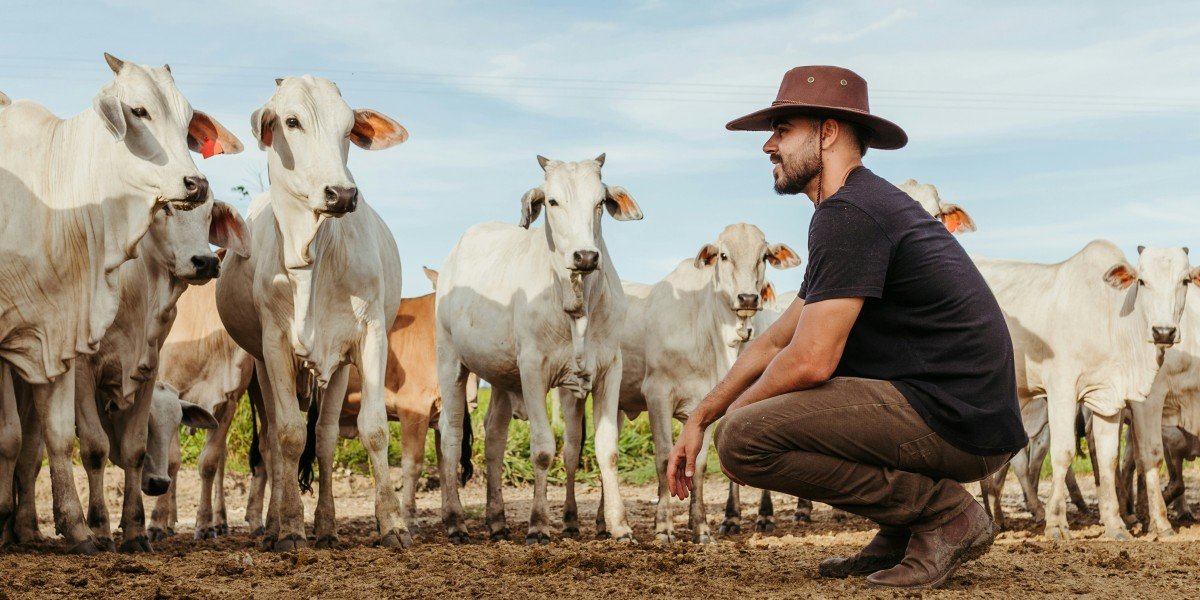
Technology offers partial relief. Electrostatic sprayers and AI‑driven monitoring tools are being tested to reduce water use and improve efficiency. By applying inputs more precisely, these tools help ranchers and growers stretch limited resources while maintaining productivity. The integration of such technology reflects a broader trend in California agriculture: adapting to climate stress through innovation.
For consumers, the USDA’s plan and these technological advances could translate into steadier grocery prices. Beef has been one of the more volatile items in household budgets, with costs rising sharply during drought years. By supporting ranchers and improving transparency in cattle markets, the federal plan aims to reduce swings that affect both producers and families across California.
Balancing Policy And Practice
While the USDA plan sets a national framework, its success will depend on how quickly relief reaches producers and how effectively new technologies are adopted. California’s agricultural sector has long balanced tradition with innovation, and this moment reflects that ongoing tension.
Producers are cautious but hopeful. Policy changes can take time to filter down to daily operations, and new technologies require investment and training. Yet the combination of federal support and practical tools offers a path forward that many in the industry see as worth pursuing.
For California residents, the broader impact is clear. Stabilizing the beef sector can help keep food prices steady, support rural economies, and encourage more sustainable use of resources. The story of California agriculture continues to be one of adaptation, shaped by both national policy and local ingenuity.
Internal Link Used
Agriculture Industry Challenges and Innovations in California’s Central Valley | California Observer
Agriculture Industry Challenges and Innovations in California’s Central Valley