
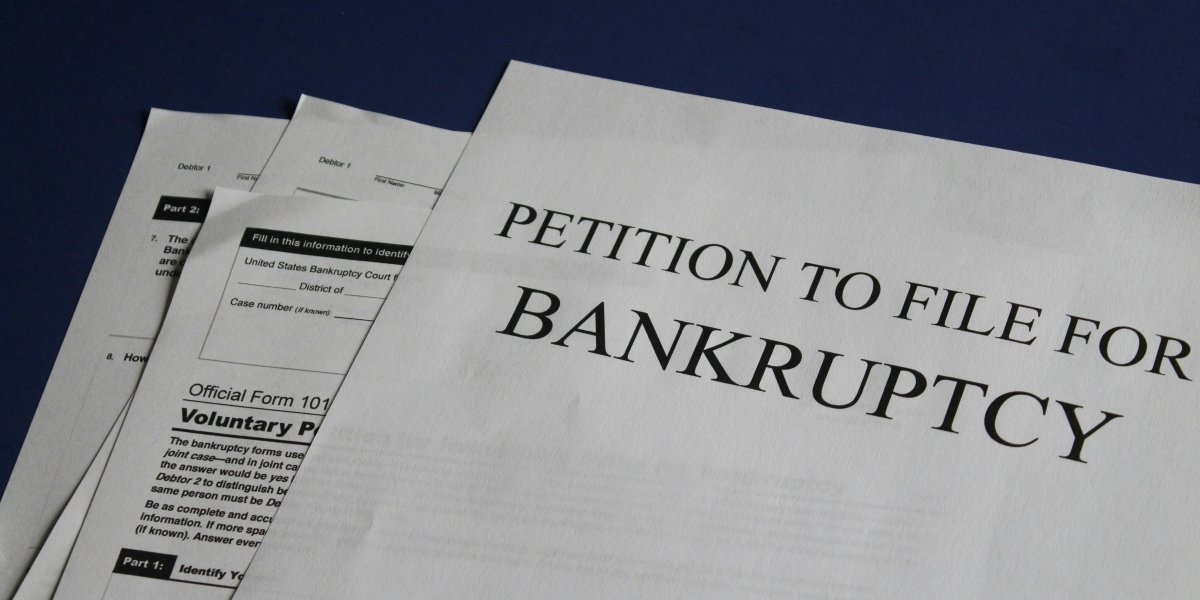
Bankruptcy can give people who are buried in debt a chance to start over. The timing of a bankruptcy petition can shape how much relief a person receives. Filing too early might leave new debts outside the case. Waiting too long could mean losing a home, a car, or wages to creditors who have already taken action.
A bankruptcy attorney can review a person’s income, debts, and assets to help them decide when to file. An attorney can also explain which chapter fits the situation and spot problems that could delay the case. With the right guidance, a person who files for bankruptcy can take timely action to safeguard as much property and income as the law allows.
Do You Need to File for Bankruptcy?
Bankruptcy often becomes a consideration for consumers when their debt has grown beyond what they can realistically repay. Many people reach this point after a job loss, a medical emergency, or a long stretch of relying on credit cards to cover basic expenses.
Pressure from creditors is another factor that can motivate people to file for bankruptcy. Constant collection calls, threatening letters, and lawsuits can take a heavy toll. Some creditors may move on to wage garnishment, bank account levies, or repossession. At that stage, the damage can build quickly.
Filing for bankruptcy will trigger an automatic stay, which is a court order that will go into effect as soon as the petition is filed. It stops most collection efforts, including phone calls, lawsuits, garnishments, repossessions, and foreclosure sales. Creditors must pause while the bankruptcy case moves forward. The stay does not cover every type of debt or action, though. Child support collection and certain criminal cases, for example, can continue.
Can Chapter 13 Bankruptcy Stop a Scheduled Foreclosure?
Chapter 13 bankruptcy can stop a scheduled foreclosure in many cases, as long as the petition is filed before the sale takes place. The automatic stay will halt the sale. Chapter 13 then allows the homeowner to catch up on missed mortgage payments through a repayment plan that will last for three to five years. Anyone in Chapter 13 must keep making regular monthly mortgage payments during the plan as well.
Once a lender starts foreclosure proceedings, it often comes with legal fees, late charges, and other expenses. Those added costs make the past-due balance larger and harder to repay through a plan. Filing in advance of a foreclosure, instead of after it has begun, can give a homeowner room to build a realistic budget.
Waiting until the last minute can also carry risks. A rushed filing can lead to missing paperwork or other mistakes that could put the case in danger. If a case is dismissed and filed again within a year, the automatic stay may last only 30 days unless the court extends it.
What Could Delay a Bankruptcy Petition?
A bankruptcy petition can be delayed by several requirements that people may not always expect. One of the most common is credit counseling. Federal law requires most people to complete a credit counseling course from an approved agency within 180 days before filing. The course can often be done online or by phone in a short time, but it must be finished before the petition is filed.
Gathering financial records can also take time. Anyone planning to file for bankruptcy will need tax returns, pay stubs, bank statements, and a full list of debts and assets. Chapter 7 filers must also pass the means test, which looks at average income over the six months before filing.
Recent financial activity can create problems as well. Large purchases on credit shortly before filing may be challenged by creditors. Repayments of debts to family members within one year before filing could be reversed by the trustee. A prior bankruptcy discharge can also limit eligibility. For example, a person who received a Chapter 7 discharge must generally wait eight years before receiving another Chapter 7 discharge.
The Choice to File for Bankruptcy Before or After a Divorce
Whether a person should file for bankruptcy before or after getting a divorce will depend on a spouse’s income, as well as the couple’s shared debts and property. Married couples can file a joint bankruptcy petition. Filing together before a divorce means paying one set of filing fees and handling shared debts in a single case. It can also make property division easier, since fewer debts are left to split.
Filing for bankruptcy after a divorce has its own advantages. A lower income can make it easier to qualify for Chapter 7 under the means test. However, joint debts discharged only in one spouse’s case can still be collected from the other spouse, which may lead to new disputes.
Some divorce-related debts cannot be erased in bankruptcy. Child support and alimony are not dischargeable. Debts owed to a former spouse under a property settlement generally cannot be discharged through Chapter 7 either. Filing during a divorce can slow down the division of property, since the automatic stay may pause parts of the process.
How Long Should You Expect Bankruptcy to Last?
The length of a bankruptcy case will depend on the type of bankruptcy. Chapter 7 is often called liquidation bankruptcy, where a trustee looks at a debtor’s assets and seizes non-exempt property, though some people are able to get by without having any of their assets sold off. Most Chapter 7 cases wrap up within four to six months of filing. Many filers receive a discharge about 60 days after the meeting of creditors.
Chapter 13 bankruptcy takes much longer. Instead of selling property, the petitioner must repay part or all of their debts through a court-approved plan. The plan usually lasts three years if the petitioner’s income is below the state median and five years if it is above. The discharge of eligible debts comes after completing all plan payments. This longer timeline allows people to keep property, such as a home or car, while catching up on what they owe.
Both chapters also require a debtor education course before the discharge is granted. Missing this step can delay the end of the case.
Disclaimer: This article provides general information about bankruptcy and is not legal advice. Consult a licensed attorney regarding your own circumstances.