The Meaning of Día de los Muertos
Día de los Muertos, or Day of the Dead, is a Mexican tradition that honors the lives of those who have passed away. Rooted in Indigenous practices and blended with Catholic influences, the holiday reflects a belief that death is not an end but a continuation of life in another form. Families create altars, or ofrendas, decorated with flowers, candles, food, and photographs to welcome the spirits of loved ones back for a brief reunion.
In Los Angeles, where Mexican and Latin American communities are central to the city’s identity, Día de los Muertos has become both a cultural and communal event. The celebrations are not somber but filled with music, dance, and color, reflecting the idea that remembering the dead is also a way of celebrating life.
According to MomsLA, Los Angeles hosts dozens of events each year, ranging from traditional ceremonies to modern artistic interpretations. These gatherings allow families and communities to connect across generations, reinforcing cultural identity while inviting others to learn and participate.
Hollywood Forever Cemetery: A Cultural Landmark
One of the most recognized Día de los Muertos celebrations in Los Angeles takes place at Hollywood Forever Cemetery. For more than two decades, the cemetery has hosted a festival that combines traditional rituals with contemporary art and performance.
As MSN reported, the 2025 event will feature nearly 100 altars created by local artists, Indigenous Aztec dancers, live music, and a screening of Disney Pixar’s Coco. The cemetery becomes a space where remembrance and creativity intersect, with families honoring ancestors while artists showcase cultural expression.
The Hollywood Forever celebration has become a model for how traditional practices can adapt to urban settings. By blending ritual with performance, it attracts thousands of visitors each year, creating a shared experience that bridges cultural heritage and contemporary life.
Grand Park’s Downtown Celebration
Another major gathering takes place at Gloria Molina Grand Park in downtown Los Angeles. The park transforms into a week‑long exhibition of community ofrendas, inviting residents to reflect and participate in collective remembrance.
According to Grand Park LA, the event runs from late October through early November, featuring altars, art installations, and performances. The program emphasizes healing and connection, offering a space where people can honor loved ones while engaging with music, dance, and storytelling.
The downtown celebration highlights the inclusive nature of Día de los Muertos in Los Angeles. While rooted in Mexican tradition, the event welcomes diverse communities, reflecting the city’s multicultural character. By doing so, it reinforces the idea that remembrance and celebration are universal human experiences.
Community Events Across the City
Beyond the large festivals, Día de los Muertos is celebrated in neighborhoods across Los Angeles. Local organizations, schools, and cultural centers host workshops, performances, and exhibitions that bring the holiday into everyday spaces.
As Santa Monica Daily Press noted, Santa Monica’s Third Street Promenade hosts a public celebration featuring art by Ricardo Soltero, live performances, and community altars. These smaller events allow residents to engage with the tradition in accessible ways, whether through face painting, folklórico dance, or altar‑building workshops.
El Camino College and other educational institutions also incorporate Día de los Muertos into their programming. Exhibits, lectures, and student performances provide opportunities for younger generations to learn about the holiday’s history and meaning, ensuring that the tradition continues to thrive.
Symbols and Traditions
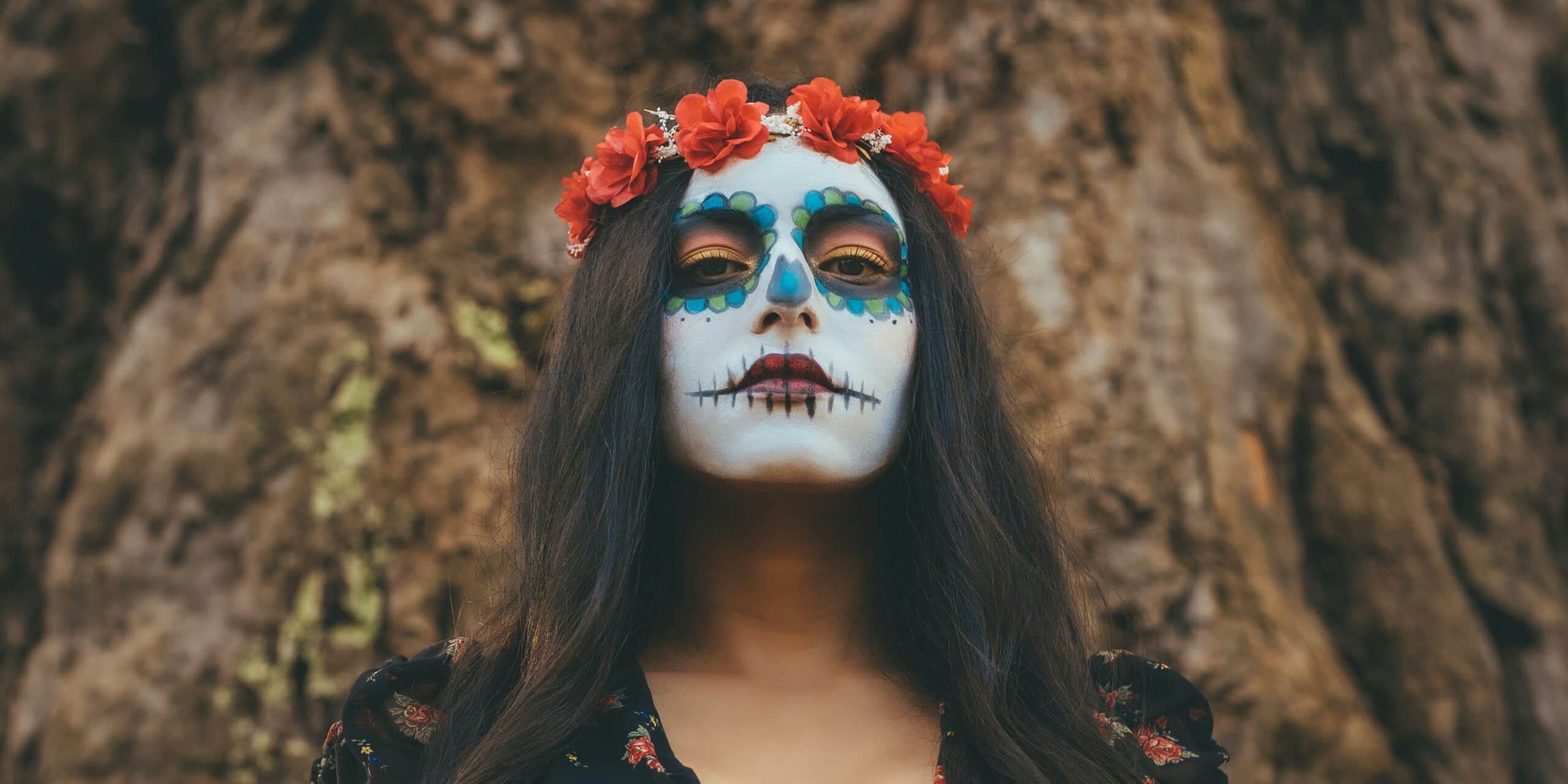
The visual symbols of Día de los Muertos are instantly recognizable. Marigolds, known as cempasúchil, are believed to guide spirits with their bright color and scent. Sugar skulls, or calaveras, represent the blending of life and death, often decorated with vibrant designs. Skeleton figures, or calacas, are depicted dancing and celebrating, reinforcing the idea that death is not to be feared but embraced as part of existence.
In Los Angeles, these symbols appear not only on altars but also in parades, art installations, and performances. Face painting that mimics skulls has become a popular way for participants to embody the spirit of the holiday. These traditions connect participants to centuries‑old practices while allowing for creative expression in a modern context.
The combination of ritual and artistry makes Día de los Muertos both deeply personal and widely accessible. Families honor their own loved ones while also contributing to a collective cultural expression that resonates across the city.
The Broader Cultural Impact
Día de los Muertos in Los Angeles reflects the city’s role as a cultural crossroads. The holiday has moved beyond private family gatherings to become a public celebration that engages diverse communities. This expansion has helped raise awareness of Mexican traditions while fostering dialogue about identity, heritage, and belonging.
As Go Travel Daily explains, events across Los Angeles—from Olvera Street to the Museum of Latin American Art—demonstrate how Día de los Muertos has become a unifying cultural force. These celebrations highlight the contributions of Mexican and Latin American communities to the city’s identity while inviting others to participate respectfully.
The broader impact is also educational. By engaging with Día de los Muertos, Angelenos and visitors alike gain a deeper understanding of cultural traditions that emphasize remembrance, resilience, and joy. This understanding strengthens community bonds and enriches the city’s cultural life.
Outlook for the Tradition in Los Angeles
The outlook for Día de los Muertos in Los Angeles is one of continuity and growth. As the city evolves, the holiday continues to adapt, blending traditional practices with contemporary forms of expression. Large festivals, community events, and educational programs ensure that the tradition remains vibrant and relevant.
The holiday’s emphasis on remembrance and celebration resonates across cultures, making it a tradition that both honors heritage and fosters inclusivity. In Los Angeles, Día de los Muertos has become more than a holiday; it is a reflection of the city’s diversity, creativity, and commitment to honoring life in all its forms.