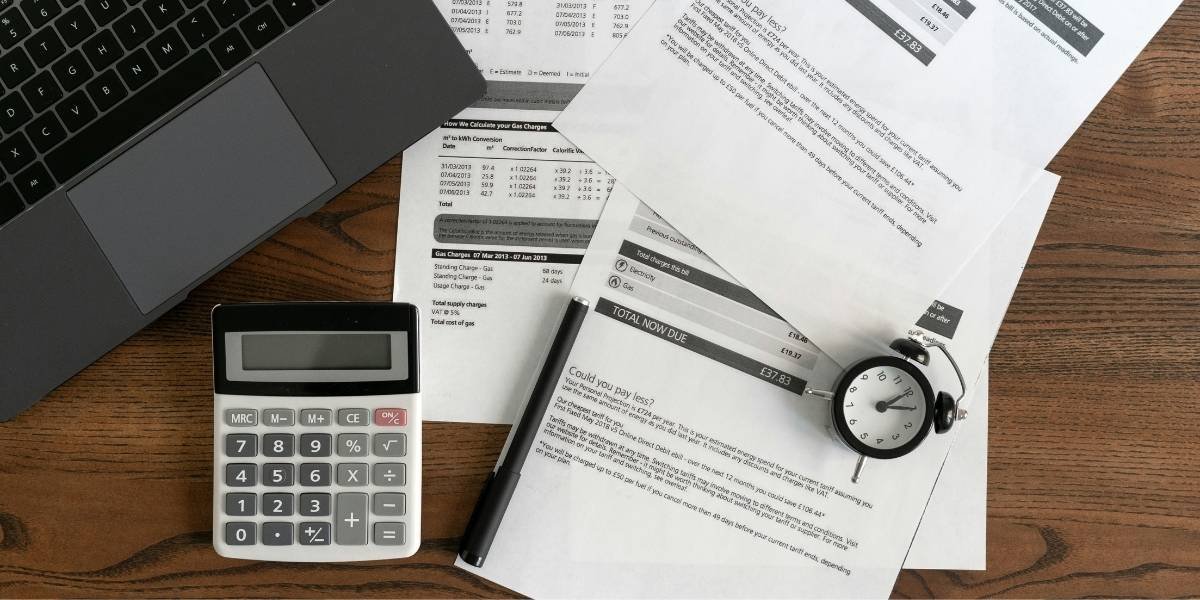
Los Angeles electricity bills are drawing renewed scrutiny after a San Fernando Valley homeowner reported a $3,322 utility statement, including approximately $2,115 in electricity charges. The complaint prompted a petition that attracted more than 28,000 signatures by October 19, 2026, according to the Los Angeles Times. City Controller Kenneth Mejia’s office has indicated that it will examine concerns about the Los Angeles Department of Water and Power’s (LADWP) billing structure.
The development follows an October 16 report from the Los Angeles Office of Public Accountability showing that median billed residential electricity consumption increased approximately 67% between May and August 2026, raising questions about how summer usage, tiered rates and additional charges affect household utility costs.
Key Takeaways
- Median billed residential electricity consumption increased approximately 67% between May and August 2026.
- LADWP’s highest summer electricity tier charged approximately 41 cents per kilowatt-hour from July through September, excluding taxes.
- More than 28,000 people signed a petition requesting a review of LADWP billing practices.
- LADWP attributes many unusually high summer bills to increased electricity consumption, particularly air conditioning use during heat waves.
- Residential statements also include access charges, taxes and periodic rate adjustments.
Summer Heat and Tiered Rates Contribute to Higher Electricity Bills
The Los Angeles Office of Public Accountability released new guidance on October 16 explaining why electricity charges can rise substantially during summer.
According to the office, higher air conditioning use during prolonged heat waves can move households into more expensive electricity tiers. The effect becomes more noticeable when a billing period includes several weeks of elevated consumption.
LADWP’s standard residential pricing structure includes three usage tiers during the summer season, which runs from June through September.
Customers pay the lowest rate for electricity within their initial monthly allowance. Additional consumption falls into higher tiers, with Tier 3 carrying the highest summer price.
From July through September 2026, published electricity consumption charges were approximately 26.41 cents per kilowatt-hour for Tier 1, 32.27 cents for Tier 2 and 40.97 cents for Tier 3, excluding taxes.
These charges include adjustment factors that LADWP periodically updates to reflect electricity-related costs.
The utility also divides Los Angeles into two temperature zones. Households in hotter areas receive larger initial electricity allowances before entering higher-priced tiers.
For standard residential customers, Zone 1 allows 350 kilowatt-hours per month in Tier 1, while Zone 2 allows 500 kilowatt-hours. The allowances double for customers billed every two months.
These differences help explain why electricity bills may vary between households with similar consumption patterns.
The broader rise in California household electricity costs has also drawn attention to how seasonal usage affects monthly expenses.
Customer Complaints Bring LADWP Billing Practices Under Review
The billing concerns gained attention after San Fernando Valley homeowner Micah Reed received an electricity charge of approximately $2,115 for his 2,500-square-foot home.
Reed started an online petition requesting an examination of LADWP’s pricing structure, particularly the higher charges associated with increased electricity consumption.
LADWP said Reed’s household used approximately six times as much electricity as its median customer. The utility also said it offered an energy efficiency assessment.
The dispute centers on the relationship between household consumption, pricing tiers and the final amount customers pay during periods of extreme heat.
City Controller Kenneth Mejia acknowledged receiving thousands of complaints from residents questioning unusually high LADWP statements.
His office expressed interest in examining changes in electricity rates, the effects of tiered pricing and assistance available to customers facing substantial seasonal charges.
The complaints do not establish that LADWP incorrectly calculated the reported bills. However, they have brought additional attention to the utility’s pricing structure and the information provided on customer statements.
A separate billing dispute involving Canter’s Deli also received attention after the Los Angeles restaurant reported a utility statement totaling approximately $35,700.
In an October 13 statement, LADWP said the restaurant’s electricity consumption had remained relatively stable year over year.
The department reported that electricity charges increased approximately 6.6% over three months, while water charges rose 21.6% and sewer charges increased 45%.
LADWP suggested that unusually high water consumption could reflect a leak or another issue requiring inspection. The department offered an on-site assessment, although the cause of the higher charges had not been established.
Unlike the residential electricity complaints, the restaurant’s reported total included several utility services.
Additional LADWP Charges Affect Final Household Costs
Electricity consumption is only one component of a residential LADWP statement.
The Office of Public Accountability identifies power access charges, periodic adjustments and the city’s utility users tax as additional factors affecting the final amount.
Under the standard residential rate, monthly power access charges range from $2.30 to $22.70, depending on the customer’s usage category.
The category is determined by electricity consumption during the preceding 12 months. Customers can therefore continue paying a higher access charge after their immediate electricity use decreases.
Los Angeles also applies a 10% utility users tax to applicable electricity charges.
Billing dates create another important distinction. LADWP generally bills residential customers every two months, meaning a statement received in October may include electricity consumed during the summer pricing period.
Although the highest summer tier no longer carries its seasonal premium after September, charges for electricity used before October remain subject to the rates applicable at that time.
For October through December 2026, LADWP lists standard residential consumption charges of approximately 27.29 cents per kilowatt-hour for Tier 1 and 33.15 cents for Tiers 2 and 3, excluding taxes.
The published figures reflect the utility’s scheduled adjustments and differ from the preceding summer rates.
Changes in California energy pricing factors provide additional context for the expenses facing households across the state.
For customers questioning a substantial increase, LADWP identifies electricity consumption, meter readings, billing periods and outstanding balances as important details to review.
The department also offers payment extensions, installment arrangements and a Level Pay program designed to distribute estimated annual utility expenses across regular monthly payments.
Eligible customers may qualify for additional financial assistance through existing utility programs.
Frequently Asked Questions
Why did Los Angeles electricity bills increase after summer heat?
Los Angeles electricity bills increased for some households as higher air conditioning use pushed consumption into more expensive pricing tiers. The city’s ratepayer advocate reported approximately 67% higher median billed residential electricity use in August compared with May 2026.
How much did LADWP charge for electricity during summer 2026?
From July through September, LADWP’s standard residential consumption rates ranged from approximately 26.41 cents to 40.97 cents per kilowatt-hour, depending on the usage tier. These figures exclude taxes.
Does a 67% increase in electricity use mean rates increased by 67%?
No. The reported increase reflects the change in median billed residential electricity consumption between May and August 2026. It does not represent an equivalent increase in electricity rates.
Was Canter’s Deli’s $35,700 bill entirely for electricity?
No. The reported statement included electricity, water and sewer charges. LADWP said water and sewer expenses accounted for the larger increases, while electricity consumption remained relatively stable.
Can LADWP customers request assistance with high electricity bills?
LADWP provides payment extensions, installment arrangements and a Level Pay option to help customers manage utility charges. Additional assistance may be available to eligible households through established programs.