
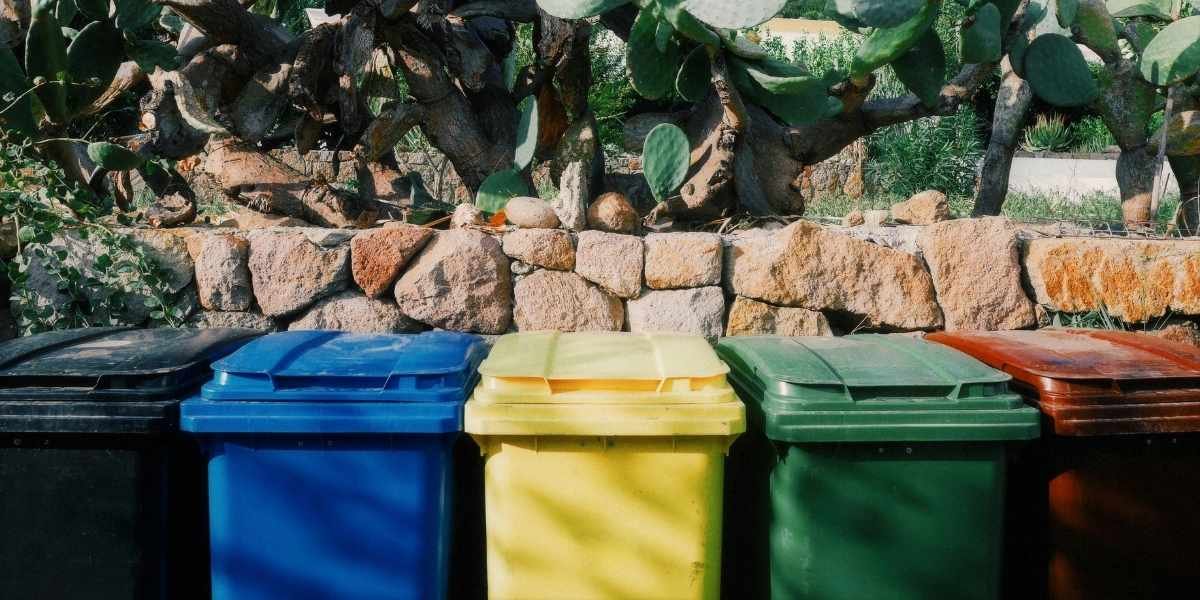
Sacramento garbage bin inspections have begun as city officials prepare to inspect more than 5,000 residential curbside waste containers between July and September. The inspections are intended to verify that recyclables, organic waste and garbage are being sorted correctly in accordance with California’s Senate Bill 1383 requirements.
Key Takeaways
- Sacramento plans to inspect about 5,000 residential curbside waste containers.
- Inspections will continue from July through September 2026.
- The effort supports compliance with California Senate Bill 1383.
- Residents will receive educational inspection tags instead of fines.
- Households with significant contamination may be asked to re-sort waste.
Residents across Sacramento can expect city staff to briefly inspect curbside waste containers before collection as part of the city’s recycling compliance efforts. Officials said the inspections are designed to identify contamination in garbage, recycling and organic waste bins while educating households about proper waste sorting requirements.
The city confirmed that inspectors will not remove or handle materials inside the containers. Instead, they will visually examine the contents after lifting the lids and leave information for residents explaining whether the materials were sorted correctly.
What Is Sacramento’s Garbage Bin Inspection Program?
The inspection program is being carried out by Sacramento’s Recycling and Solid Waste Department. City staff plan to examine approximately 5,000 residential curbside containers during the inspection period, which runs from July through September.
The inspections focus on identifying contamination, which occurs when materials are placed in the wrong waste container. Examples include recyclable items being placed in garbage bins, food scraps being discarded with regular trash, or plastic waste being mixed into organic waste containers.
According to the city, the inspections are intended to improve compliance with residential waste sorting requirements rather than enforce penalties. California residents have also seen several statewide policy changes take effect this year under California’s new laws.
The city previously conducted a similar round of residential container inspections in 2025.
Why Is the City Inspecting Residential Waste Containers?
Sacramento is conducting the inspections to meet requirements established under California Senate Bill 1383.
The state law requires local governments to implement organic waste recycling programs and verify that residents properly separate recyclable materials, food waste and other organic waste from regular garbage.
City officials stated that the inspections form part of the municipality’s compliance responsibilities under the legislation.
Proper sorting of household waste supports recycling efforts and helps divert organic materials from landfills. Organic waste includes food scraps and other compostable materials that should be placed in designated collection containers instead of standard garbage bins.
The inspection program also provides residents with information about correct disposal practices when contamination is identified.
How Will the Garbage Bin Inspections Be Conducted?
City staff will conduct inspections on residential curbside containers scheduled for waste collection.
When Will Inspections Take Place?
The inspections are scheduled to take place between July and September 2026.
City officials said inspections are expected to occur a couple of days each week, depending on staff availability. They will generally be carried out during the early morning before waste collection takes place.
Approximately 5,000 households are expected to be included during the inspection period.
What Inspectors Will and Will Not Do
Inspectors will briefly lift the lids of residential containers to visually examine their contents.
The city stated that inspection staff will not touch, remove or rearrange materials inside the bins.
Officials also said inspectors will wear high-visibility safety vests and official identification badges while performing inspections so residents can identify authorized personnel.
The inspections apply to curbside containers used for garbage, recycling and organic waste collection.
What Will Residents Receive After an Inspection?
Residents will receive a tag after each inspection explaining the outcome of the review.
Meaning of the Inspection Tags
Households with correctly sorted waste will receive a “Great Job” tag acknowledging proper disposal practices.
If contamination is found, residents will receive a “Let’s Sort This Out” tag. The notice explains what types of materials were placed in the wrong container and provides guidance on how those materials should be sorted for future collections.
The city said the tags are intended to educate residents about proper waste separation requirements.
Will Residents Be Fined?
Sacramento officials stated that the inspection program will not result in fines or financial penalties for households whose containers contain improperly sorted materials.
Instead, the city plans to use the inspections as an educational measure to improve compliance with state waste disposal requirements. The state’s broader policy agenda has also included measures affecting residents beyond waste management, including California housing affordability reforms under AB179.
However, households with excessive contamination may be asked to remove improperly sorted materials and place them into the correct waste containers.
The city indicated that this approach is intended to improve sorting practices while meeting state compliance obligations.
What Should Sacramento Residents Do Next?
Residents should continue separating household waste according to the city’s collection guidelines.
Food scraps and other accepted organic materials should be placed in designated organic waste containers. Recyclable materials should be placed in recycling bins, while non-recyclable waste belongs in standard garbage containers.
Residents who receive an inspection tag can review the information provided to understand whether their waste was sorted correctly and identify any materials that should be placed in different containers during future collections.
The city also encourages residents to consult its recycling and waste service resources if they need additional guidance on accepted materials or container use.
Because inspections will continue through September, households may have their curbside containers reviewed at any point during the scheduled inspection period.
Frequently Asked Questions
Why is Sacramento inspecting residential garbage bins?
The city is inspecting residential curbside waste containers to verify that recyclables, organic waste and garbage are being sorted correctly as required under California Senate Bill 1383.
What is California Senate Bill 1383?
Senate Bill 1383 is a California law that requires local governments to implement organic waste recycling programs and monitor compliance with waste sorting requirements.
Will Sacramento residents be fined for improper waste sorting?
No. The city has stated that residents will not receive fines or penalties as part of the inspection program. Instead, inspection tags will provide guidance on proper waste disposal.
What happens if contamination is found in a garbage bin?
Residents will receive a “Let’s Sort This Out” tag explaining what contamination was identified and how to correctly separate those materials. Homes with significant contamination may also be asked to re-sort improperly disposed waste.
When will Sacramento’s garbage bin inspections end?
The city plans to continue inspecting residential curbside waste containers through September 2026.