
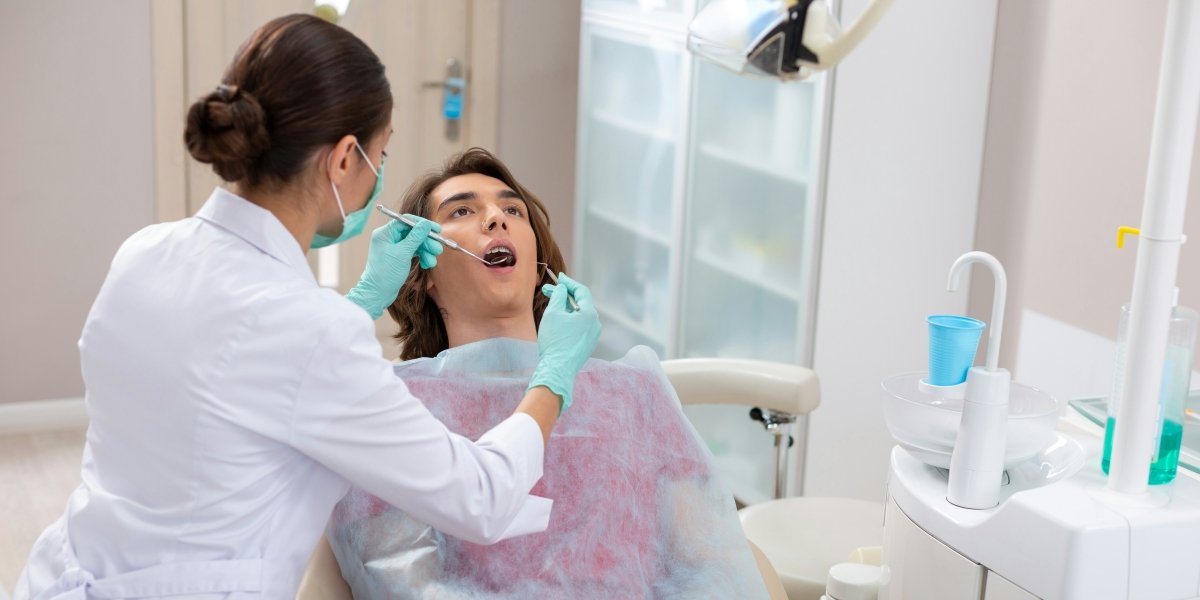
For families, dental care can become surprisingly complicated. A toddler needs an early introduction to the dentist. A teenager might need help managing cavities, sports-related dental concerns, or orthodontic referrals. Parents may want cosmetic or restorative treatment, while older relatives face their own changes in oral health.
Traditionally, those needs could mean visiting several dental offices across different parts of town. An increasing focus on comprehensive family dentistry offers another option: finding one dental home that can care for several generations and adapt as their needs change.
The idea is simple. Instead of treating each appointment as an isolated event, families build an ongoing relationship with a dental team that already knows their history, priorities, and concerns.
What a “Dental Home” Actually Means
The phrase dental home is more than a convenient way to describe a regular dentist.
The American Academy of Pediatric Dentistry defines a dental home as an ongoing relationship between a dentist and patient that provides comprehensive, continuous, coordinated, and family-centered care. For children, the organization recommends establishing that relationship by 12 months of age.
That same idea can extend beyond childhood. A long-term dental relationship gives patients a consistent place to turn for preventive visits, new symptoms, treatment planning, and referrals when specialty care is needed.
For households searching for a dentist in San Ramon or elsewhere in California, that continuity can be especially appealing when the practice serves both children and adults. Instead of starting from scratch whenever a family member enters a new stage of life, the dental team can build on what it already knows.
One Office Can Make Family Scheduling Simpler
Convenience is one of the most immediate reasons families consider a shared dental practice.
Coordinating health appointments around school, work, sports, child care, and commuting can feel like its own part-time job. When family members see dentists at different offices, parents also have to manage different locations, phone numbers, policies, and appointment systems.
Using one dental practice can simplify some of that administrative work.
Depending on the office, families may be able to:
- Schedule multiple household members on the same day
- Keep contact information and insurance details with one practice
- Become familiar with one office’s policies and staff
- Coordinate treatment without repeatedly explaining family history
- Reduce the number of separate trips needed for routine dental care
That does not mean every person in a household will need identical treatment. A child’s dental care is very different from an adult’s. The advantage is having those different needs managed within a familiar setting when the practice has the appropriate services and experience.
Dental Needs Change Throughout Life
Oral health is not static. The concerns a dentist watches for at age six are not the same ones that matter at 36 or 76.
Young children are developing habits that can shape their oral health for years. Early visits can help parents learn about brushing, fluoride, diet, tooth development, and cavity prevention. The American Academy of Pediatric Dentistry recommends establishing a dental home within six months of the first tooth appearing and no later than a child’s first birthday.
As children get older, dental visits may shift toward monitoring permanent teeth, reinforcing home-care habits, protecting teeth during sports, and evaluating whether orthodontic care is appropriate.
Adults can face a wider range of needs. Preventive exams and cleanings remain part of routine care, but patients might also seek treatment for damaged or missing teeth, gum problems, tooth discoloration, or changes in their bite.
Later in life, factors such as medications, dry mouth, previous dental work, tooth wear, and tooth loss can influence treatment decisions.
A family dental practice that treats patients across age groups can help manage those transitions without forcing every family member to establish an entirely separate dental relationship.
Familiarity Can Make Dental Visits Feel More Manageable
Dental anxiety is not limited to children. Adults can also feel uneasy about treatment, especially after a painful experience or a long period without dental care.
Familiarity does not eliminate anxiety, but it can remove some of the uncertainty surrounding an appointment.
Patients know where to park. They recognize the office. They know how appointments generally work. Over time, they may also become comfortable with the dentist, hygienists, and other team members.
That familiarity can matter for children in particular. A child who grows up visiting the same practice can begin to see dental appointments as a normal part of taking care of their health rather than something that only happens when a tooth hurts.
Parents also have an opportunity to model that behavior. When children see adults in their household attending regular dental visits, oral health becomes part of the family’s routine.
A Shared Practice Can Provide More Context
Family members do not necessarily develop the same dental problems, but shared habits and routines can influence oral health.
For example, families frequently share:
- Eating and snacking habits
- Beverage choices
- Oral hygiene routines
- Attitudes toward dental care
- Access to dental products and preventive services
Some dental conditions also have genetic or biological components. A dentist still evaluates each person individually, but knowing the broader family context can help inform conversations about prevention.
If several children in a household are developing cavities, for instance, the discussion may extend beyond treating individual teeth. A dentist can talk with parents about brushing technique, fluoride exposure, snacking patterns, and other factors affecting the household.
Continuity makes those conversations easier because the dental team has more context from previous visits.
Comprehensive Care Does Not Mean Every Service Happens Under One Roof
Choosing a dental home does not mean a general or family dentist must perform every type of dental procedure.
Specialists remain an important part of dental care. A patient could need an orthodontist, oral surgeon, endodontist, periodontist, or another provider whose training focuses on a particular area.
A dental home can serve as the starting point.
The dentist can identify when care falls outside the practice’s scope and refer the patient to the appropriate specialist. The American Academy of Pediatric Dentistry includes coordination and specialty referrals as part of the dental home model.
For families, that creates a central point of contact even when treatment becomes more complex.
What Families Should Look for in a Dental Home
Not every dental practice is structured the same way, so families should look beyond the word “family” on a website or sign.
Before choosing an office, consider asking:
- What ages does the practice routinely treat?
- Which preventive, restorative, and cosmetic services are offered?
- How does the office approach young or anxious patients?
- When does the dentist refer patients to specialists?
- Can multiple family members schedule appointments close together?
- How are dental emergencies handled?
- Which insurance plans or payment options does the practice accept?
The right choice will depend on the household.
A family with several young children might prioritize pediatric experience and convenient scheduling. Adults with extensive previous dental work may care more about restorative services. Someone considering cosmetic treatment may want a practice that combines routine care with options for improving the appearance of their smile.
Building a Relationship Instead of Starting Over
The strongest argument for a long-term dental home is not that every family member receives the same care. It is that each person can receive individualized care within a familiar, continuous relationship.
Children grow into teenagers. Teenagers become adults. Restorations placed years ago eventually need to be monitored. Personal goals change. Dental needs change with them.
Having one trusted practice follow those changes can reduce the amount of restarting families have to do along the way.
For California households already juggling busy schedules and competing responsibilities, keeping dental care centered in one familiar place can make one part of family life easier to manage. More importantly, it creates a consistent foundation for preventive care and gives each family member somewhere to turn as their oral health needs evolve.
Disclaimer: This article is for general informational purposes only and is not a substitute for professional dental advice, diagnosis, or treatment. Dental needs vary by individual. Consult a qualified dental professional regarding specific oral health concerns and treatment options.