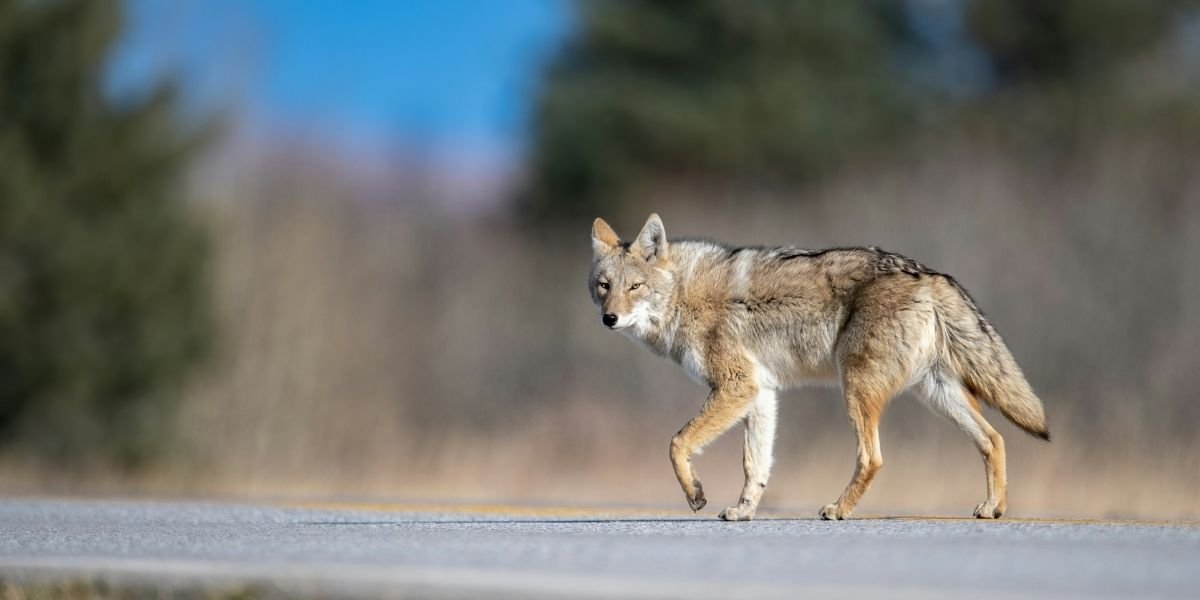
The Wallis Annenberg Wildlife Crossing near Los Angeles is one of the most ambitious conservation projects in the U.S. Designed to help mountain lions, bobcats, and other wildlife safely cross the busy 101 Freeway, the project has faced significant financial challenges. What was initially projected as a $92 million endeavor is now expected to cost upwards of $114 million, with additional funding required to complete the project.
Rising Costs and Delays in Construction
The cost of the wildlife crossing project has increased substantially due to construction delays, inflation in material costs, and higher-than-expected bids for certain phases. Originally planned with a budget in the tens of millions, recent figures indicate a jump of $18.8 million in additional funding, bringing the overall project cost to over $114 million. California state officials have approved the additional funds, citing the complexity of the project and unexpected construction challenges, including delays from heavy rains and flooding. The project was initially slated for completion in 2025, but the revised timeline now sets the opening for late 2026.
Ecological Importance of the Wildlife Crossing
The wildlife crossing is designed to address the growing problem of habitat fragmentation in Southern California, particularly for mountain lions in the Santa Monica Mountains. For years, scientists have warned that the isolation of these populations poses a serious risk to their genetic diversity, threatening their survival. The overpass aims to reconnect fragmented habitats, allowing wildlife to safely move across the freeway and access vital resources on both sides. In doing so, it reduces the chances of deadly vehicle collisions with animals, which have been a growing concern for local communities.
By creating a safe passage for wildlife, the crossing will help maintain biodiversity in the region. California’s Department of Transportation (Caltrans) has highlighted the project’s critical role in preserving ecosystems, and it is expected to be a model for future urban wildlife conservation projects across the country.
Support and Opposition Surrounding the Project
While the wildlife crossing has garnered strong support from environmental organizations, local residents, and wildlife advocates, it has also faced criticism over its escalating costs. Some detractors argue that the increasing expenses may divert resources from other infrastructure projects, particularly those related to transportation and public safety. However, the project has received widespread backing from policymakers, who view it as an important step toward ensuring the long-term health of local ecosystems.
Despite the cost overruns, supporters emphasize that the wildlife crossing offers significant ecological benefits that outweigh the financial challenges. It is seen as a symbol of California’s commitment to environmental stewardship, reflecting the state’s leadership in sustainable conservation efforts.
Project Timeline and Future Implications
The Wallis Annenberg Wildlife Crossing is slated for completion by the end of 2026. The project is a pivotal moment for urban wildlife conservation and will serve as a benchmark for similar efforts across the U.S. In addition to its ecological benefits, the crossing is expected to generate significant public interest, drawing attention to the need for smarter, more sustainable infrastructure solutions in urban areas.
As the project nears completion, officials and conservation groups are optimistic that it will help set a precedent for future wildlife crossings, not only in California but also in other states facing similar challenges related to habitat fragmentation and wildlife-vehicle collisions.
Is the Wildlife Crossing Worth the Cost?
Despite its increasing costs, the wildlife crossing project near Los Angeles remains a vital piece of California’s environmental strategy. Its success will likely be a major milestone in the state’s ongoing efforts to balance urban development with wildlife preservation. The project’s ecological importance, particularly in preserving mountain lion populations and reducing wildlife collisions, justifies its significant investment. Moving forward, policymakers will need to weigh the costs and benefits carefully, ensuring that the project continues to advance as a model for urban wildlife conservation.