
Honda has announced a recall of approximately 256,000 accord hybrid vehicles from the 2023 to 2025 model years due to a software programming issue. The problem involves the Integrated Control Module (ICM), which may reset during operation, causing a sudden loss of drive power. This issue raises safety concerns for drivers who could experience a loss of power while on the road.
Honda has stated that while no crashes or injuries have been reported in connection with this software error, the risk is significant enough to warrant the recall. Owners of the affected vehicles will receive notification by mail starting in January 2026, instructing them to bring their cars to authorized dealerships for a free software update. Honda assures that the fix is straightforward and will restore the reliability of the affected systems.
The recall highlights an important issue in the automotive industry: the growing dependence on software to control key vehicle functions. As cars become more reliant on complex digital systems, even minor software errors can lead to serious consequences. The accord hybrid recall underscores the importance of software stability in modern vehicles.
Civic Models and Wheel Detachment Risks
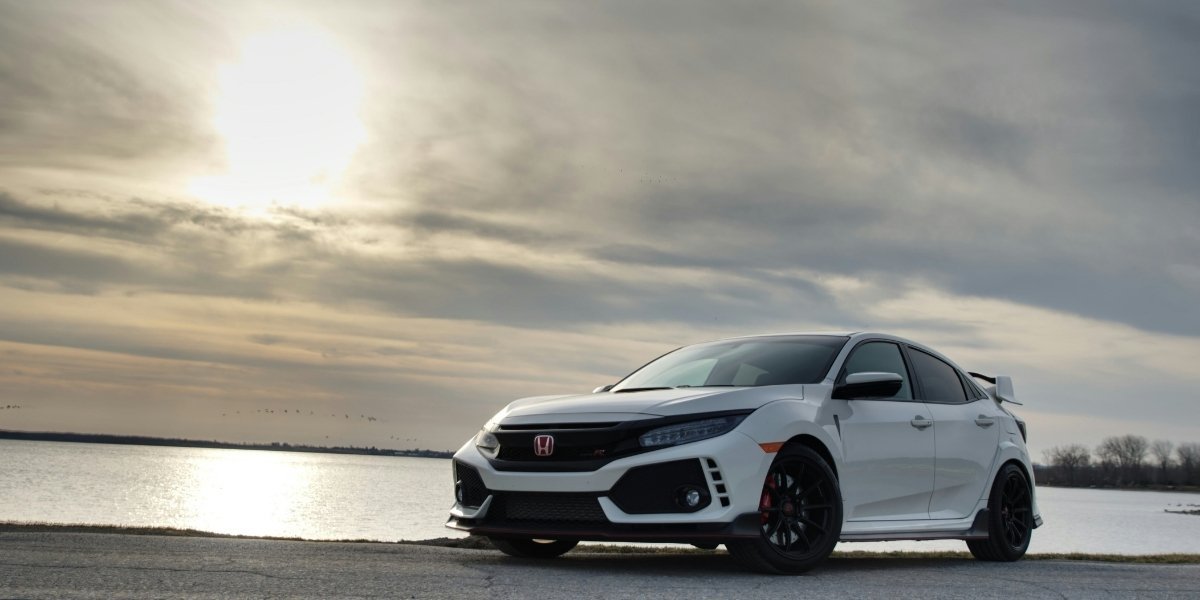
In addition to the recall for accord hybrids, Honda is recalling approximately 406,000 civic models from 2016 to 2021. The issue stems from certain 18-inch aluminum alloy accessory wheels that may detach due to a manufacturing flaw. Honda identified around 3,276 defective wheels, which raises concerns about potential accidents if the wheels detach while driving.
Honda has stated that dealers will inspect and replace the affected wheels at no cost to the owners. This proactive step demonstrates Honda’s commitment to safety, even though the number of defective wheels is relatively small compared to the total number of vehicles being recalled. The recall also highlights the importance of accessory parts, which may be overlooked in broader safety discussions.
For civic owners, the recall may be seen as a necessary precaution, but it also raises questions about the reliability of aftermarket and accessory components in modern vehicles. Honda’s quick response is reassuring, but drivers may question how such defects were allowed to occur.
Broader Recall Landscape
Honda’s recalls are part of a larger trend in the automotive industry. By late 2025, automakers in the U.S. had collectively recalled 25.8 million vehicles across more than 800 filings. This reflects heightened regulatory scrutiny and the increasing complexity of modern vehicles, which combine mechanical engineering with advanced software systems.

The recalls highlight the challenges automakers face in balancing innovation with reliability. The accord hybrid represents Honda’s push into the electric vehicle market, while the civic remains one of the company’s most popular models. Addressing safety issues in both product lines shows Honda’s willingness to act quickly, but it also emphasizes the growing pressure on automakers to ensure that the technology they introduce doesn’t create new risks for consumers.
This larger context raises important questions about the future of recalls. Will software-related issues become more common as vehicles rely more heavily on digital systems? How will automakers adapt their quality control processes to prevent similar problems? As vehicles become more complex, these questions will continue to shape the automotive industry.
Impact on Drivers and Communities
For drivers, the recalls mean scheduling time with dealerships to address the issues. While the fixes are free, the inconvenience of taking a vehicle to the dealership can be frustrating. Honda emphasizes that the repairs are straightforward, but the process still requires coordination between owners and service centers.
Local communities may also feel the impact of large-scale recalls. Dealerships will see increased traffic as thousands of vehicles are brought in for repairs, which can strain resources. At the same time, this process highlights the role of dealerships as crucial partners in maintaining safety standards. The recall process becomes a shared responsibility between automakers, service providers, and consumers.
For many drivers, recalls challenge the trust they place in their vehicles. Cars are not only a means of transportation, but also an essential part of daily life. When safety issues arise, it can cause concern, particularly when those issues are related to technology that is meant to make the vehicle safer and more efficient.
The Future of Automotive Safety
Honda’s 2025 recalls reflect the intersection of safety, technology, and consumer trust. By addressing both software issues in accord hybrids and wheel detachment risks in civics, Honda shows its commitment to proactive safety measures. However, these recalls also highlight the challenges of modern vehicle design, where digital systems and mechanical components must work seamlessly together.
As vehicles become more advanced, the potential for new types of issues will grow. Automakers must adapt by strengthening their quality control processes, enhancing transparency, and maintaining open communication with consumers. The increased complexity of modern vehicles means that automakers must continually evolve their approach to safety, especially as they introduce new technologies and features.
The future of automotive safety will likely involve more advanced monitoring systems and quicker recall response times. The recall process will need to be streamlined to ensure that any safety issues are addressed as quickly as possible. Meanwhile, automakers will need to continue balancing innovation with reliability to maintain consumer trust in an era of rapid technological change.
Honda’s 2025 recalls serve as a case study in the challenges of maintaining safety and reliability while introducing cutting-edge technologies. As the industry continues to evolve, recalls will likely remain a significant part of the conversation about the future of driving.