In 2027, the California State Fair will make a historic move from its long-standing summer schedule to a new fall timeframe. For decades, the fair has been held during the peak summer months, drawing families to Sacramento for its signature events, agricultural exhibits, and entertainment. However, rising summer temperatures, often exceeding 100°F, have made it increasingly difficult to maintain a comfortable experience for attendees. By shifting the fair to fall, organizers aim to improve safety, enjoyment, and overall comfort for visitors.
This change marks a significant shift not only in timing but in how the fair will be experienced. The decision reflects a response to the growing concern about extreme weather conditions, which have impacted summer events across California. Moving to a cooler time of year allows for a safer and more pleasant experience, making the event more accessible to people of all ages.
For California, this shift is not just about the fair’s date change; it represents an adaptation to changing environmental conditions and a commitment to providing a sustainable and enjoyable event for all. The State Fair remains a vital part of California’s tradition, but its timing now reflects modern needs.
The Benefits of Shifting to Fall
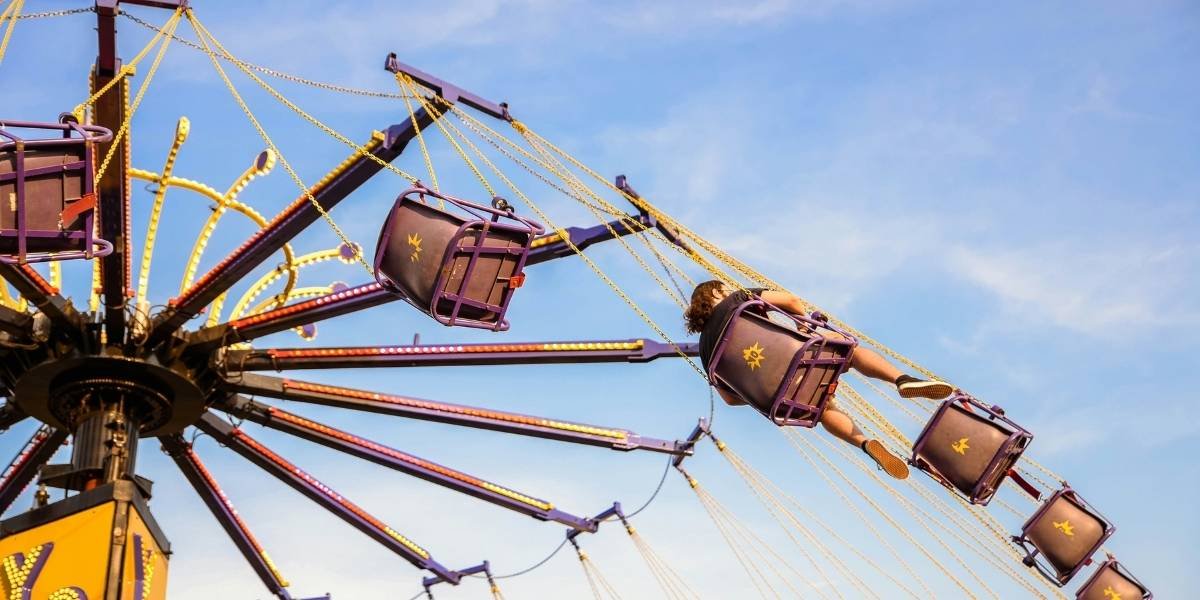
Sacramento’s summer heat has long been a challenge for attendees at the California State Fair. With temperatures regularly reaching triple digits, enjoying outdoor exhibits, carnival rides, and performances often became a struggle. Shifting the fair to September and October addresses these challenges head-on, offering more pleasant temperatures for visitors to enjoy everything the fair has to offer.
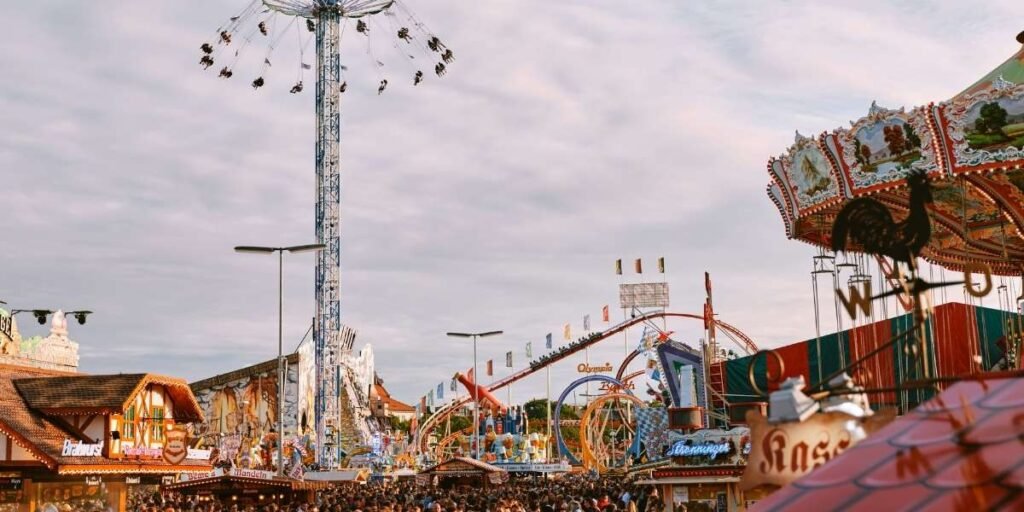
This move promises improved programming as well. Agricultural showcases, food competitions, and concerts will all benefit from more comfortable weather, allowing people to stay longer and experience more. The fall dates will encourage more participation, from vendors to performers, enhancing the fair’s overall dynamic. Additionally, fewer heat-related disruptions will help the event run smoothly without the strain of high temperatures.
For families, the cooler weather allows for longer hours of exploration without the risk of heat exhaustion. The fair’s traditional offerings will remain intact, but the new season will open up new possibilities for both activities and crowds, all while promoting a more comfortable atmosphere for attendees and workers.
Preserving Tradition While Adapting to New Realities
The California State Fair has always been tied to summer tradition, a time when families gather, enjoy concerts, and explore agricultural showcases. For many, the fair was the highlight of the summer season. However, as climate change brings higher temperatures to the state, organizers have had to reconsider the impact of extreme weather on both the event and its participants.
Balancing nostalgia with practicality, the fair’s new timing in the fall maintains the spirit of the event while addressing the realities of modern-day climate and health concerns. While summer has long been associated with the fair’s identity, the move to fall does not diminish its importance; it ensures the event can thrive in a more sustainable and enjoyable way. The core experiences — the rides, food, music, and exhibits — will remain central to the fair, but with better weather to enhance the experience.
As California’s climate continues to evolve, this shift demonstrates how institutions can adapt without losing their core essence. The fair will continue to offer a sense of community and tradition, but in a way that aligns better with environmental needs and offers a safer environment for future generations to enjoy.
The Economic Impact of the Shift
The economic implications of moving the California State Fair to the fall are likely to be significant. Local businesses in Sacramento, from restaurants to hotels, will likely benefit from increased visitors who find the fall weather more welcoming. As the fair draws steady crowds in more manageable conditions, it could lead to stronger economic outcomes for the city and surrounding areas.
The fair’s relocation also presents cost-saving opportunities for organizers. Without the need for extensive cooling infrastructure and medical support to combat heat-related issues, funds can be redirected to enhancing fair attractions, improving visitor amenities, and boosting the overall event quality. These financial benefits could support further investment in community projects and initiatives across Sacramento.
The shift to fall also aligns better with the agricultural cycle, as many of the state’s crops are harvested in the fall. This creates a more seamless connection between the agriculture showcases at the fair and the season’s harvest, offering a more relevant experience for attendees interested in California’s farming and agricultural landscape.
Looking to the Future of the California State Fair
As the California State Fair moves to the fall starting in 2027, it will face new challenges and opportunities. While this transition marks the end of a long summer tradition, it also opens the door to new possibilities for both the event itself and the broader community. Visitors will benefit from a more comfortable experience, while local businesses stand to gain from a more consistent flow of tourists throughout the fair.
The fair’s move demonstrates how cultural traditions can evolve with changing times, balancing heritage with modernity. The shift ensures that future generations will continue to enjoy the event while addressing the environmental challenges of today. As the fall fair takes shape, it will be interesting to see whether it becomes an enduring new tradition or if some still yearn for the summer experience.
Will this seasonal shift become a lasting new tradition embraced by future generations? Or will nostalgia for the summer fair hold on as a defining part of its identity? Only time will tell, but one thing is clear: the California State Fair’s move to fall is a pivotal moment in its long and storied history.