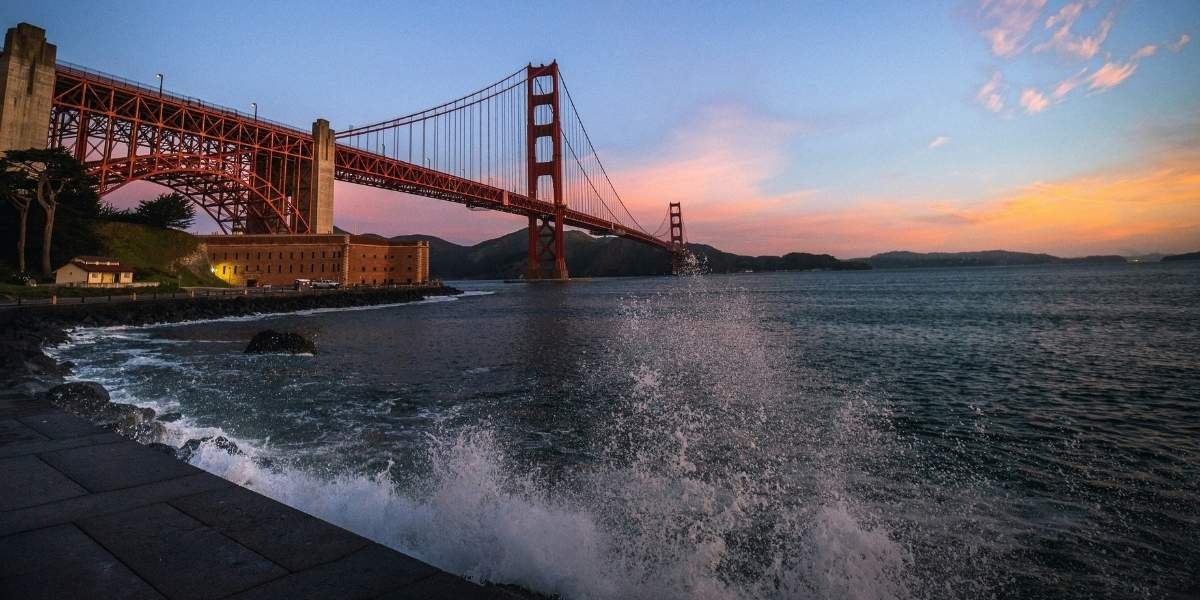
An El Niño-related Kelvin wave contributed to unusually high coastal water levels around San Francisco Bay in October 2026. During high tides on October 10 and 11, water levels at San Francisco were approximately 1.5 feet above tide-chart predictions. The anomaly reflected a combination of ocean conditions, including the Kelvin wave, unusually warm water and longer-term sea-level rise.
Key Takeaways
- An El Niño-related Kelvin wave helped elevate coastal water levels along California’s coast in October 2026.
- San Francisco recorded high tides approximately 1.5 feet above predictions on October 10 and 11.
- Warmer ocean water, a marine heat wave and long-term sea-level rise also contributed to elevated coastal conditions.
- Higher water levels can increase flooding exposure in low-lying communities, particularly when combined with high tides or storms.
- Forecasters were watching upcoming king tides around Thanksgiving and Christmas for additional coastal impacts.
El Niño-Related Kelvin Wave Reaches California Coastal Waters
A Kelvin wave associated with El Niño moved along the Pacific coast and contributed to elevated sea levels in the Bay Area. Unlike waves that break on beaches, a Kelvin wave is a large-scale ocean disturbance that changes water levels over a broad area.
Kelvin waves can travel along the equator and coastlines, carrying changes in ocean temperature and sea level across long distances. During El Niño, shifts in tropical Pacific winds and ocean circulation can help generate these disturbances, which may then influence coastal waters farther north.
Earlier forecasts anticipated higher Bay Area sea levels as the wave approached California in October. Those projections indicated a possible temporary increase of 6 to 12 inches associated with the phenomenon, rather than a permanent change in average sea level.
The wave was one influence on October’s elevated tides. Warmer regional waters and other oceanographic conditions also affected the measurements, making it difficult to assign the full observed increase to any single cause.
San Francisco Bay Records Elevated Water Levels During High Tides
On October 10 and 11, observed high tides at San Francisco were roughly 1.5 feet above predicted levels. The difference was significant because tide charts already account for the expected astronomical effects of the Moon and Sun.
Actual water levels can depart from those predictions because of wind, atmospheric pressure, ocean circulation and other conditions. When unusually elevated coastal water coincides with a high astronomical tide, shoreline locations may experience greater water exposure than the tide forecast alone would suggest.
The October measurement does not mean San Francisco Bay’s permanent sea level rose by 1.5 feet. It describes a short-term difference between observed and predicted tides at a particular location. Conditions can vary elsewhere around the Bay, even during the same event.
Ocean Temperatures and Other Factors Contribute to Higher Sea Levels
The Kelvin wave was part of a broader set of conditions affecting California’s coast. Unusually warm ocean water, a persistent marine heat wave and long-term sea-level rise all provided context for the elevated October readings.
Warmer seawater expands, a process known as thermal expansion. A marine heat wave is a sustained period of unusually high ocean temperatures, which can coincide with changes in circulation and coastal water levels. Wind and atmospheric pressure can further alter the water height measured at individual tide gauges.
Long-term sea-level rise operates on a different timescale. It raises the baseline from which tides and temporary ocean disturbances occur, potentially making a comparable high-tide event more consequential for coastal communities. The October observations therefore reflect short-term conditions superimposed on a changing coastal environment, not a standalone measure of the long-term trend.
Elevated Coastal Waters Increase Flooding Concerns Around the Bay Area
Higher coastal water levels reduce the margin between a normal high tide and the elevation of nearby roads, walking paths and waterfront infrastructure. The effects are especially relevant to low-lying shoreline communities, although exposure varies with local geography, drainage systems and coastal protections.
Ahead of the winter storm season, communities are preparing for coastal flooding and erosion risks, particularly where elevated tides could combine with heavy rain or strong surf. High water in the Bay can also complicate drainage when outlets have less capacity to discharge runoff.
Elevated sea levels do not automatically mean flooding has occurred. Inundation depends on whether water reaches vulnerable land or infrastructure. A tide-gauge anomaly at one location should not be taken as evidence of identical conditions throughout the Bay Area.
Upcoming King Tides Put Coastal Water Levels Under Observation
Forecasters were also monitoring king tides expected around Thanksgiving and Christmas 2026. King tides are especially high astronomical tides that occur at predictable times because of the relative positions of the Earth, Moon and Sun.
Their timing is independent of El Niño, but actual water heights can exceed astronomical predictions when warm-water anomalies, Kelvin waves, winds or storm conditions add to the tide. Any overlap could increase flooding exposure in vulnerable shoreline areas.
The coming holiday tides provide an opportunity to monitor whether unusually elevated coastal water persists. They are not, by themselves, a guarantee of flooding; local forecasts, tide gauges and coastal advisories will help determine the conditions communities experience.
Frequently Asked Questions
What is a Kelvin wave and how does it affect sea levels?
A Kelvin wave is a large-scale ocean disturbance that travels along the equator or a coastline. It can transmit changes in water height and temperature, temporarily influencing sea levels along the California coast.
How much higher were San Francisco Bay water levels in October 2026?
During the October 10 and 11 high tides, water levels at San Francisco were approximately 1.5 feet above tide-chart predictions. The figure describes a temporary observed anomaly, not a permanent rise in sea level across the Bay.
How does El Niño influence California coastal water levels?
El Niño changes tropical Pacific winds, temperatures and ocean circulation. These shifts can produce Kelvin waves that travel toward the eastern Pacific and alter coastal water levels.
What other factors affect high tides in San Francisco Bay?
Ocean temperature, marine heat waves, wind, atmospheric pressure, circulation and long-term sea-level rise can all influence observed water levels in addition to astronomical tides.
When are the next king tides expected in the Bay Area?
Especially high tides are expected around Thanksgiving and Christmas 2026. Their effects will depend on local water levels, weather and coastal conditions at the time.