
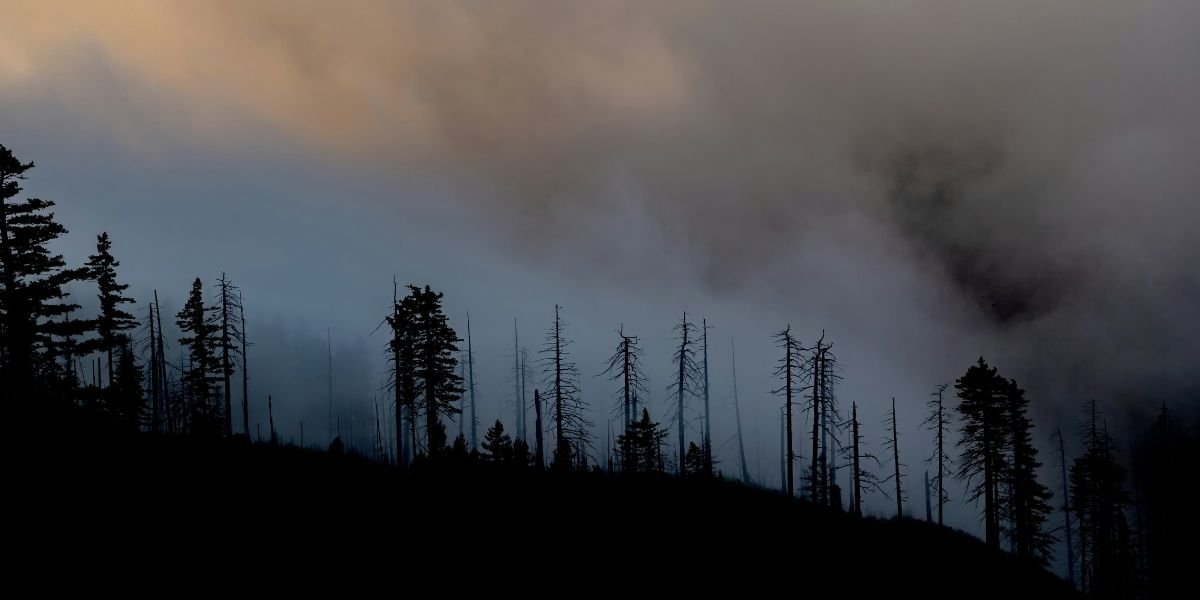
Caltech researchers identified unusually high concentrations of lead, arsenic and other pollutants in smoke from the January 2025 Eaton Fire in Los Angeles County. The findings show how emissions from burning residential structures and vehicles differ from typical wildfire smoke, providing new evidence about air pollution and potential exposure risks in communities affected by urban fires.
Key Takeaways
- Lead concentrations in the Eaton Fire smoke plume were more than 50 times higher than those measured in typical wildfire smoke
- Chlorine and bromine concentrations were approximately seven times higher, while arsenic concentrations were three times higher
- Researchers analyzed continuous air-quality measurements from a monitoring station in Pico Rivera, approximately 11 miles south of Altadena
- Smoke composition changed as the fire moved from developed communities into surrounding mountain areas
- Researchers estimated that nearly seven million Los Angeles metropolitan area residents experienced 24-hour lead concentrations more than 80 times typical background levels during peak structural burning
Caltech Researchers Analyze Eaton Fire Smoke Composition
Researchers at the California Institute of Technology (Caltech) found substantial differences between smoke produced by the Eaton Fire and emissions associated with vegetation-driven wildfires. Their analysis identified elevated concentrations of lead, chlorine, bromine and arsenic, particularly during the early stages of the January 2025 fire.
The research examined how the chemical composition of smoke changed as flames moved through residential communities in Altadena and into the surrounding mountains. Unlike wildfires that primarily consume vegetation, fires affecting developed areas can burn buildings, vehicles, household materials and other manufactured products.
To investigate those differences, researchers analyzed continuous air-quality measurements collected at a monitoring station in Pico Rivera, approximately 11 miles south of Altadena. The location provided measurements of airborne particles carried beyond the immediate fire area.
The monitoring data allowed researchers to examine changes in the plume’s chemical characteristics as the fire progressed. Lead concentrations showed the most substantial difference, reaching levels more than 50 times higher than those measured in typical wildfire smoke.
These findings provide additional evidence that smoke from fires involving developed communities can contain a different combination of pollutants than smoke generated primarily by burning vegetation.
Eaton Fire Smoke Contains Elevated Concentrations of Toxic Metals
The Caltech analysis identified several chemical elements at concentrations substantially above those recorded in typical wildfire smoke. Lead showed the largest reported increase, with concentrations more than 50 times higher than the comparison levels.
Chlorine and bromine concentrations were approximately seven times higher, while arsenic concentrations were three times higher. These differences were particularly significant during periods when residential structures and other developed properties were burning.
Lead and arsenic are toxic elements associated with adverse health effects, making their presence in smoke relevant to environmental monitoring and exposure research. Chlorine and bromine also provide information about the chemical composition of emissions from different burning materials.
The findings demonstrate why the materials consumed during a fire matter when assessing smoke pollution. Residential buildings, vehicles and manufactured products can introduce substances that are less prominent in emissions from vegetation alone.
California has also pursued wildfire smoke contamination standards addressing the testing and removal of substances such as lead and asbestos from fire-affected properties. These efforts concern contamination left in buildings and surrounding environments after fires, rather than airborne concentrations alone.
The Caltech measurements add to the scientific evidence available for understanding these contamination concerns. However, the reported concentration differences describe the Eaton Fire plume and should not be interpreted as uniform increases across every affected location or period.
Air Quality Measurements Track Changes in Urban Fire Smoke
Continuous monitoring played a central role in the research, allowing scientists to examine how the smoke plume changed as the Eaton Fire progressed.
The monitoring station in Pico Rivera collected information about airborne particles and their chemical composition. Because the station operated continuously, researchers could observe changes that might not have been captured through occasional air sampling.
The data showed a changing chemical profile as the fire moved away from developed areas and into surrounding mountain terrain. During periods of extensive structural burning, the smoke contained higher concentrations of elements associated with urban materials.
As the fire progressed into areas dominated by vegetation, the chemical composition shifted toward characteristics more typical of wildfire smoke.
This distinction provides evidence that the substances burned during a fire directly influence the composition of the resulting airborne particles. A fire involving homes and vehicles can produce a different pollution profile from one burning primarily through forests or grasslands.
The findings also demonstrate the value of identifying individual chemical components rather than relying exclusively on general particulate matter measurements. Detailed monitoring can help researchers better understand the pollutants carried by smoke as it travels beyond a fire’s perimeter.
Nearly Seven Million Los Angeles Residents Faced Elevated Lead Levels
The Caltech researchers estimated that approximately seven million people in the Los Angeles metropolitan area experienced 24-hour lead concentrations more than 80 times typical background levels during the peak period of structural burning at the Eaton Fire.
The estimate illustrates how smoke pollution can extend beyond neighborhoods directly damaged by flames. Airborne particles can travel considerable distances, potentially affecting communities outside evacuation zones and immediate fire boundaries.
The population-level finding also differs from the comparison between the Eaton Fire and typical wildfire smoke. The more than 50-fold increase describes lead enrichment in the urban fire plume relative to wildfire smoke, while the 80-fold figure compares estimated 24-hour concentrations with typical background levels.
These measurements provide information about the geographic reach of elevated lead pollution during the fire. However, estimates of airborne exposure do not establish the amount of lead absorbed by individual residents or determine their long-term health outcomes.
The findings nevertheless highlight the importance of studying smoke that reaches populated areas beyond the locations where structures are actively burning.
Research Highlights Questions About Wildfire Smoke Exposure
The Caltech findings contribute to a growing body of research examining how wildfire emissions affect environmental conditions and public health, particularly when fires spread through residential communities.
The chemical measurements establish that smoke from structural fires can differ significantly from vegetation-driven wildfire smoke. They do not, however, determine the full health consequences of short-term exposure to the measured concentrations.
Other California researchers are investigating related questions about wildfire smoke health effects. A federally funded five-year project at the University of California, Davis, is examining cardiovascular and respiratory responses to wildfire smoke exposure, including biological mechanisms that may influence health outcomes.
Together, these research efforts address different aspects of wildfire pollution. Chemical monitoring identifies substances present in smoke, while health studies investigate how exposure may affect the human body.
For California communities, the Eaton Fire findings underscore the importance of monitoring pollution during fires that involve developed areas. Understanding the differences between urban fire smoke and vegetation-driven emissions could support more detailed exposure assessments and improve the information available to emergency management and public health agencies.
The research also establishes a useful scientific reference for future investigations of fires occurring where residential development meets surrounding vegetation, particularly in regions where smoke can travel across densely populated areas.
Frequently Asked Questions
What did Caltech researchers discover about Eaton Fire smoke?
Researchers found elevated concentrations of lead, chlorine, bromine and arsenic in smoke from the January 2025 Eaton Fire. The findings showed that emissions from fires involving developed structures can differ substantially from typical wildfire smoke.
Which toxic metals were detected in Eaton Fire smoke?
The study identified elevated concentrations of lead and arsenic. Researchers also reported higher levels of chlorine and bromine, which are chemical elements but are not classified as metals.
How much higher were lead concentrations in Eaton Fire smoke?
Lead concentrations in the Eaton Fire plume were more than 50 times higher than those measured in typical wildfire smoke. Researchers also estimated that nearly seven million Los Angeles metropolitan area residents experienced 24-hour lead concentrations more than 80 times typical background levels during peak structural burning.
Where were the Eaton Fire air-quality measurements collected?
Researchers analyzed continuous measurements from an air-quality monitoring station in Pico Rivera, approximately 11 miles south of Altadena. The station collected information about the chemical composition of airborne particles transported beyond the immediate fire area.
Why is smoke from urban fires different from typical wildfire smoke?
Urban fires can burn buildings, vehicles and manufactured materials in addition to vegetation. These materials introduce different chemical substances into the smoke, potentially producing higher concentrations of certain pollutants, including toxic metals. The Eaton Fire research documented these differences through continuous chemical measurements.