
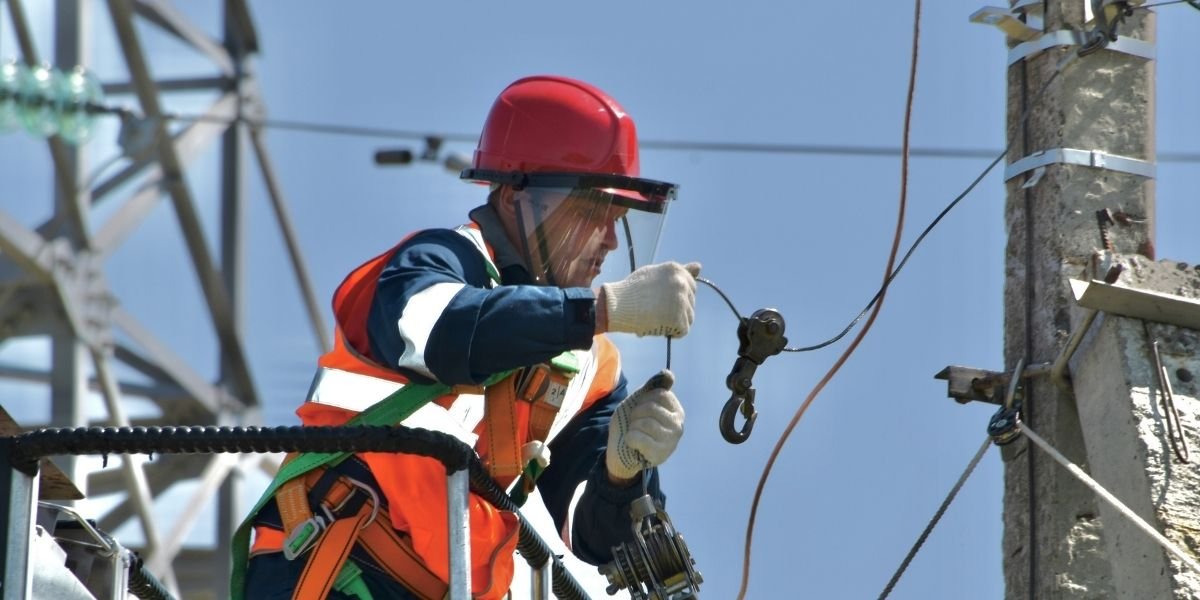
California power shutoffs tied to elevated wildfire danger could affect nearly 90,000 Pacific Gas and Electric Company (PG&E) customers across 29 counties. The utility expanded its notifications on October 14, 2026, as dry, windy weather increased the risk of electrical equipment igniting wildfires.
Targeted power shutoffs began Wednesday evening, October 14, with additional interruptions possible through Saturday afternoon, October 17. PG&E identified approximately 88,000 customers within potential shutoff areas, although not everyone receiving a notification was expected to lose electricity.
Key Takeaways
- Approximately 88,000 PG&E customers across 29 California counties were included in potential wildfire-related power shutoffs.
- PG&E added about 25,000 customers to its notification list on October 14 while removing approximately 7,300 others.
- Preventive shutoffs began October 14, with additional interruptions possible through October 17.
- Alameda, Contra Costa, Napa and Sonoma counties were among the Bay Area communities affected by the utility’s plans.
- Customers should check PG&E’s address-specific outage information and prepare for possible disruptions to essential services.
PG&E Expands Power Shutoff Notifications Across California
PG&E expanded its public-safety power shutoff notifications on October 14 as forecasts indicated an extended period of dry offshore winds across California. The utility identified approximately 88,000 customers in 29 counties who could experience temporary electricity interruptions.
Public Safety Power Shutoffs (PSPS) are preventive measures that temporarily disconnect electricity in selected areas when weather conditions increase the risk of electrical equipment starting wildfires. The utility considers factors such as wind speed, humidity, vegetation dryness and local infrastructure conditions when evaluating potential shutoff areas.
The latest event was expected to continue through Saturday afternoon, October 17. However, that window did not mean every customer within the affected areas would remain without electricity for the entire period.
PG&E also adjusted the boundaries of its potential shutoffs as weather forecasts developed. Customers initially included in the notifications could later be removed, while other areas could be added if conditions warranted further precautions.
For affected communities, the measures created uncertainty around electricity availability, business operations and essential household services. Residents were encouraged to monitor utility notifications rather than relying solely on countywide outage estimates.
Wildfire Weather Conditions Drive Outage Precautions
Hot temperatures, low humidity and strong offshore winds contributed to the wildfire concerns behind PG&E’s preventive shutoffs. These conditions can make vegetation more susceptible to ignition and allow fires to spread rapidly once they begin.
Wind presents particular risks for overhead electrical infrastructure. Strong gusts can damage equipment, bring vegetation into contact with power lines or create conditions in which electrical faults become potential ignition sources.
California has also expanded its aerial wildfire response capacity with additional firefighting aircraft and emergency resources. While these resources support responses to active fires, preventive power shutoffs are intended to reduce the likelihood of electrical equipment starting a wildfire.
A potential shutoff does not necessarily indicate that a wildfire is already burning in an affected community. Instead, the utility may disconnect power before a fire occurs when forecast conditions create unacceptable ignition risks.
The timing and geographic extent of interruptions can change as winds, humidity and other factors develop. Customers in neighboring communities may therefore receive different notices depending on their electrical service areas and local conditions.
Bay Area Communities Face Potential Electricity Interruptions
Several Bay Area counties were included in PG&E’s potential shutoff areas, particularly communities exposed to dry vegetation and strong offshore winds.
According to the utility’s October 14 estimates, approximately 4,705 customers in Alameda County and 1,605 in Contra Costa County were within the potential shutoff areas.
Napa County had approximately 3,027 customers identified, while Sonoma County had about 2,041. The figures represented customers potentially affected by the planned precautions rather than confirmed outages.
In the East Bay, areas around Berkeley and the Oakland hills were among the communities facing possible interruptions. The University of California, Berkeley, indicated that its core campus and student residences were not expected to be affected, although conditions could differ at other locations.
The potential disruptions carried practical implications for households and businesses. Residential customers could experience interruptions to internet access, refrigeration, lighting and electrically powered equipment.
Businesses faced additional operational concerns, particularly those relying on refrigeration, electronic payment systems and uninterrupted communications. Restaurants, retailers and other establishments might need to modify operating hours or make temporary arrangements to maintain essential services.
The effects could vary considerably by neighborhood. Even within the same county, one service area might lose electricity while another remained unaffected because of differences in local infrastructure and wildfire exposure.
PG&E Adjusts the List of Customers Facing Possible Shutoffs
PG&E revised its potential shutoff areas as forecasts changed, adding approximately 25,000 customers to its notification list on October 14 while removing about 7,300 customers previously included.
Those adjustments illustrate how wildfire-related outage planning can change over a relatively short period. Updated weather information and operational assessments may lead the utility to expand or reduce the number of customers facing possible interruptions.
A notification also differs from a confirmed outage. Customers receiving warnings are being advised that electricity service could be disconnected if conditions require preventive action.
For residents and businesses, the distinction matters when deciding how to prepare. A potential interruption may call for charging essential devices and making contingency plans, while a confirmed shutoff may require immediate adjustments to daily activities.
Restoration timelines can also vary. Once dangerous weather subsides, utility crews may need to inspect electrical infrastructure, identify damage and complete repairs before safely restoring power.
PG&E directs customers to its official outage center and public-safety power shutoff updates for information about affected addresses, expected interruption times and restoration progress.
Residents and Businesses Prepare for Potential Power Disruptions
Residents in potential shutoff areas can reduce disruption by preparing essential supplies and identifying services that depend on electricity.
Households should charge mobile phones and other necessary devices, keep battery-powered flashlights available and maintain access to drinking water, nonperishable food and medications. People who rely on electrically powered medical equipment should review their backup arrangements and seek appropriate assistance before an interruption.
These household precautions complement broader community emergency preparedness grants supporting local disaster planning, training and readiness initiatives across California. Such efforts help communities prepare for emergencies, while individual outage plans address the immediate consequences of losing electricity.
Businesses should assess how interruptions could affect refrigeration, payment processing, employee communications and other critical operations. Establishments handling perishable goods may require additional contingency arrangements to avoid unnecessary losses.
PG&E also announced plans for more than 40 Community Resource Centers during the shutoff event. These facilities can provide services such as device charging, Wi-Fi, drinking water and other basic support for affected customers.
Customers requiring additional assistance, including those with medical or accessibility needs, can contact 211 to learn about available community resources. Anyone using a portable generator should follow safety instructions and never operate the equipment indoors or in enclosed spaces.
Residents should continue checking official notifications even after an initial warning or outage. Conditions may change, and service restoration can occur at different times across affected areas.
For households and businesses, the most useful approach is to confirm whether their specific address is affected and maintain a practical plan for essential needs until normal electricity service resumes.
Frequently Asked Questions
How many California customers could be affected by PG&E power shutoffs?
Approximately 88,000 PG&E customers across 29 California counties were included in the utility’s potential shutoff areas as of October 14, 2026. This figure represents customers at risk of interruption, not the total number who ultimately lost electricity.
Which California counties face potential PG&E power shutoffs?
The potential shutoffs included portions of Alameda, Contra Costa, Napa and Sonoma counties, along with other counties across Northern and Central California. Specific affected locations depend on local wildfire conditions and PG&E’s operational assessments.
Why is PG&E implementing temporary power shutoffs?
PG&E uses preventive electricity shutoffs to reduce the risk of its electrical equipment igniting wildfires during dangerous weather. Strong winds, dry vegetation and low humidity can increase the likelihood of ignition and rapid fire spread.
How long could the California power shutoffs last?
The October 2026 shutoff event began Wednesday evening, October 14, with potential interruptions extending through Saturday afternoon, October 17. Individual outage durations may differ depending on weather conditions, equipment inspections and restoration requirements.
How can customers check whether their address is included in a PG&E outage?
Customers can visit PG&E’s official outage center at pge.com/pspsupdates to check address-specific information, potential shutoff boundaries and restoration updates. They should also monitor direct utility notifications for changes to their service status.