
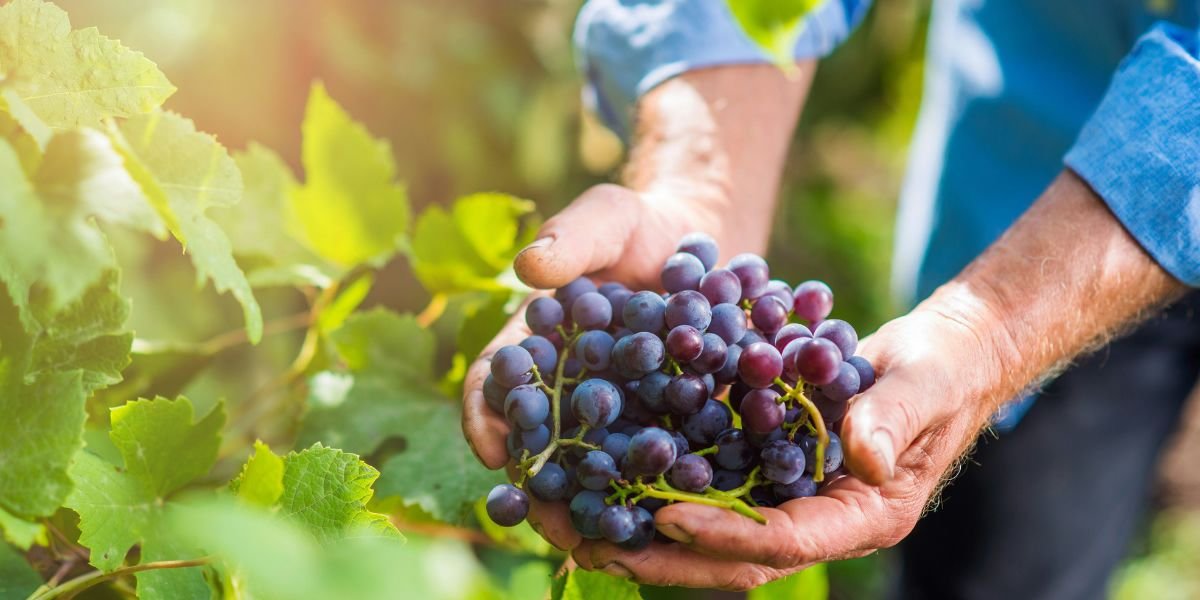
California groundwater depletion is raising concerns about the long-term water supply for almonds, grapes and other specialty crops. A study published in Water Resources Research in November 2026 found that almonds, grapes and walnuts account for nearly half of groundwater depletion associated with specialty crops nationwide. Researchers examined irrigation withdrawals for 65 crops between 2008 and 2020, identifying several Central Valley counties where agricultural production relies heavily on groundwater extracted faster than aquifers can replenish it.
Key Takeaways
- Researchers examined irrigation withdrawals for 65 fruit, vegetable and tree-nut crops across the continental United States from 2008 through 2020
- Almonds, grapes and walnuts accounted for nearly 50% of groundwater depletion associated with specialty crops nationwide
- Almond production alone represented more than one-quarter of groundwater depletion attributed to the crops studied
- More than 90% of groundwater used for specialty crops in Tulare, Fresno, Kings and Kern counties was linked to unsustainable pumping
- The findings provide crop-specific and county-level estimates that can inform agricultural water management
New Study Examines Groundwater Depletion Across 65 Crops
Researchers at the University of Illinois Urbana-Champaign examined how specialty-crop irrigation depends on surface water, groundwater withdrawals and groundwater depletion across the continental United States.
The study, titled Irrigation Water Withdrawals for Fruits, Vegetables, and Tree Nuts in the Continental United States from 2008 to 2020, was conducted by Jackie Hanley and Megan Konar.
Their analysis combined satellite-based irrigation maps, U.S. Department of Agriculture crop data and U.S. Geological Survey water-use information to estimate irrigation withdrawals for individual crops at the county level.
The research distinguishes between groundwater withdrawals and depletion. Groundwater withdrawals involve pumping water from underground aquifers, while depletion refers to withdrawals that exceed the amount naturally replenished over time.
This difference allows researchers to evaluate not only how much groundwater agricultural operations use but also how dependent specific crops are on supplies being depleted.
The study found that 49 of the 65 crops examined relied on groundwater for which at least half of the withdrawals were considered depletionary. These findings indicate that unsustainable pumping extends beyond a small number of agricultural products.
The estimates also distinguish between perennial crops, such as almonds and grapes, and annual crops with different irrigation requirements and production cycles.
Unlike broader agricultural water-use assessments, the research identifies the relative contribution of individual specialty crops to groundwater depletion across different counties.
California Central Valley Counties Show High Groundwater Dependence
California’s Central Valley was identified as a major region of groundwater depletion associated with specialty-crop irrigation.
The study found that more than 90% of groundwater used for specialty crops in Tulare, Fresno, Kings and Kern counties came from unsustainable pumping.
These counties are important agricultural production areas where farms cultivate almonds, grapes, walnuts and other crops that require irrigation throughout their growing seasons.
The findings indicate that much of the groundwater supporting specialty-crop production in these areas comes from aquifers being depleted faster than they can recover.
Groundwater availability is influenced by several factors, including precipitation, surface-water deliveries, agricultural demand and pumping activity. Separate research examining Central Valley groundwater losses has also identified connections between climate-related changes in water availability, irrigation demand and declining underground supplies.
For agricultural producers, reliance on groundwater can provide flexibility when surface-water deliveries are limited. However, continued withdrawals beyond natural replenishment can reduce the amount of water available for future irrigation.
The study’s county-level estimates identify where specialty-crop production depends most heavily on groundwater depletion, providing information relevant to local agricultural planning.
Almonds, Grapes and Walnuts Account for Nearly Half of Depletion
Almonds, grapes and walnuts collectively accounted for nearly 50% of groundwater depletion associated with specialty crops nationwide during the study period.
Almond production was the largest individual contributor, representing more than one-quarter of the depletion attributed to the 65 crops examined.
The analysis also identified almonds, grapes, pistachios, tomatoes, peppers and garlic among crops for which an estimated 90% to 100% of groundwater withdrawals came from nonrenewable pumping.
These percentages describe the share of groundwater withdrawals considered depletionary, rather than the share of total irrigation water supplied by groundwater.
The findings also relate specifically to specialty crops. They do not indicate that almonds, grapes and walnuts account for nearly half of all agricultural groundwater depletion across the United States.
For California almond and grape farming, the results provide information about the extent to which crop production depends on underground water supplies.
Perennial crops introduce additional considerations because orchards and vineyards remain productive across multiple growing seasons. Unlike annual crops, established trees and vines cannot simply be left unplanted for a season without affecting the existing operation.
As a result, irrigation availability can influence decisions involving orchard management, vineyard maintenance and long-term agricultural production.
The research does not predict production losses for individual farms. Instead, its estimates identify crops and locations where dependence on depleted aquifers may create water-supply risks.
Groundwater Depletion Adds Pressure to Agricultural Water Management
Groundwater provides an important irrigation source for California farms, particularly during periods when rainfall and surface-water deliveries are insufficient to meet agricultural demand.
The study identified changes in irrigation sources during California’s 2012–2017 drought. As surface water became less available, groundwater’s share of specialty-crop irrigation increased from slightly more than 50% to nearly 70%.
Researchers found indications that groundwater reliance remained elevated after the drought, suggesting that the shift was not limited to the driest years.
Continued pumping from depleted aquifers can create longer-term challenges for agricultural producers, particularly where groundwater supplies already support a substantial share of irrigation.
California’s Sustainable Groundwater Management Act, enacted in 2014, established a framework requiring groundwater sustainability agencies to develop and implement plans for managing groundwater in designated basins.
Local management measures can include pumping restrictions, monitoring requirements and other approaches intended to address groundwater conditions.
Water management also involves the use of existing irrigation infrastructure. In the Central Valley, solar canopies above canals are being tested to examine whether shading can reduce evaporation while supporting electricity generation.
Although the canal project addresses surface-water infrastructure rather than groundwater depletion directly, both efforts reflect the importance of managing available irrigation resources.
The groundwater study contributes crop-specific information that can help agricultural stakeholders assess water dependence alongside local aquifer conditions and water-management requirements.
Research Provides County-Level Data for Groundwater Planning
The study provides a national dataset showing how irrigation withdrawals differ by crop, location and water source.
Its estimates can help researchers and agricultural water managers identify areas where specialty-crop production depends heavily on groundwater depletion.
For California, the findings are particularly relevant to Central Valley agriculture because they distinguish groundwater conditions across counties rather than relying exclusively on statewide totals.
This level of detail can support assessments of irrigation demand, groundwater sustainability and the potential effects of changes in water availability.
The researchers also acknowledged limitations in the estimates. Because direct measurements of irrigation withdrawals for every individual crop were unavailable, the analysis relied on modeling and existing agricultural datasets.
The resulting figures are therefore best interpreted as estimates rather than direct measurements of water use at individual farms.
The research covers 2008 through 2020 and does not establish current groundwater withdrawal volumes for 2026.
Nevertheless, its findings provide a basis for examining how groundwater depletion relates to agricultural production, particularly for almonds, grapes and other crops grown in areas with substantial groundwater dependence.
Frequently Asked Questions
What Did the 2026 California Groundwater Study Find?
The study found that almonds, grapes and walnuts accounted for nearly half of groundwater depletion associated with specialty crops nationwide between 2008 and 2020. It also identified several California Central Valley counties where specialty-crop irrigation relied heavily on unsustainable groundwater pumping.
How Much Groundwater Does California Agriculture Use?
The research estimated groundwater withdrawals for 65 specialty crops rather than calculating the total groundwater consumption of California agriculture. It found that more than 90% of groundwater used for specialty crops in four Central Valley counties came from unsustainable pumping.
Which California Counties Have High Groundwater Depletion?
Tulare, Fresno, Kings and Kern counties were identified as areas where more than 90% of groundwater used for specialty crops was associated with depletionary withdrawals during the study period.
How Does Groundwater Depletion Affect Almond and Grape Farming?
Groundwater depletion can reduce the long-term availability of underground water supplies used for irrigation. Almond and grape producers who depend on these supplies may need to account for declining groundwater availability and local pumping requirements when planning agricultural operations.
Which Crops Contribute Most to Specialty-Crop Groundwater Depletion?
Almonds, grapes and walnuts collectively accounted for nearly 50% of groundwater depletion associated with specialty crops nationwide. Almonds alone represented more than one-quarter of depletion within the crops examined.