
Apartment moves stall on logistics, not on boxes. A sofa that fit the old living room will not turn in a Midtown stairwell. A reserved elevator that nobody actually reserved sits locked. If you need an apartment moving guide for Sacramento, start with the building, then pack. That order saves time, reduces stress, and keeps furniture off scraped walls.
Sacramento, CA, apartments vary wildly: walk-ups near the grid, gated complexes in Natomas, high-rises downtown with freight rules. Crews who work as apartment movers in Sacramento see those constraints daily. You still need a plan your landlord and your roommate can follow.
Walk Both Buildings Before You Buy Tape
Do a 20-minute walkthrough of the current unit and the new one. Measure the tightest turn: stair landing, elevator door, hallway corner. Photograph the path from the parking stall to the front door. Note ceiling height if you have a tall bookcase or a king headboard.
Ask both property managers the same questions:
- Freight or passenger elevator, and how do you reserve it?
- How long can a truck sit in the lot or on the street?
- Certificate of insurance required, and how many days ahead?
- Quiet hours, padding rules, and deposit walkthrough timing?
Downtown and East Sacramento buildings often want COI paperwork before a crew can roll a dolly inside. Missing that email is how people lose a Saturday morning.
If the new place is a third-floor walk-up with no elevator, plan extra time and extra hands. Mattresses and dressers do not “just go up.” Measure the stair width. If a piece will not make the turn, decide now: disassemble, use a hoist if the building allows it, or sell the item before move day.
Time the Calendar, Heat, and Parking
Lease-end dates cluster at month’s end. That is when every complex in Sacramento fills with trucks. Book earlier in the week if your lease allows it. You get easier parking and a calmer elevator.
Summer heat in the Central Valley is hard on electronics, candles, makeup, and anything in a closed trailer. Keep the truck moving. Do not leave a loaded van sitting in full sun for hours. In winter, tule fog can slow a morning start on I-5 or Highway 99. Build a buffer. Do not schedule a same-day flight or a work presentation at 10 a.m.
Street parking near midtown and downtown units is tight. Ask if the complex has a loading zone. If not, check city rules for temporary parking and cone use. A truck that double-parks gets ticketed, and your crew loses the rhythm.
Pack Like the Hallway Is Narrow, Because It Is
Apartment hallways punish oversized boxes. Use medium cartons for books and kitchenware. Heavy boxes that you cannot carry around a corner will sit on the landing and block everyone.
Label on two sides and the lid: room plus a short contents note. Kitchen/mugs + plates beats Box 7. Keep a “first night” bin with sheets, towels, phone chargers, medications, pet food, and a change of clothes. That bin rides in your car, not on the truck.
Kitchen and bathroom take longer than people admit. Wrap plates vertically. Pad the sink. Empty the fridge the night before and wipe it dry so it does not leak on the stairs. Disconnect the washer only if you know how to cap the hoses. Water in a hallway is a deposit problem.
Disassemble bed frames and tables the evening before. Bag bolts and tape them to the frame they belong to. Photograph the assembled piece first. Future you will thank past you at 9 p.m. in an empty bedroom.
What to Leave for the Crew
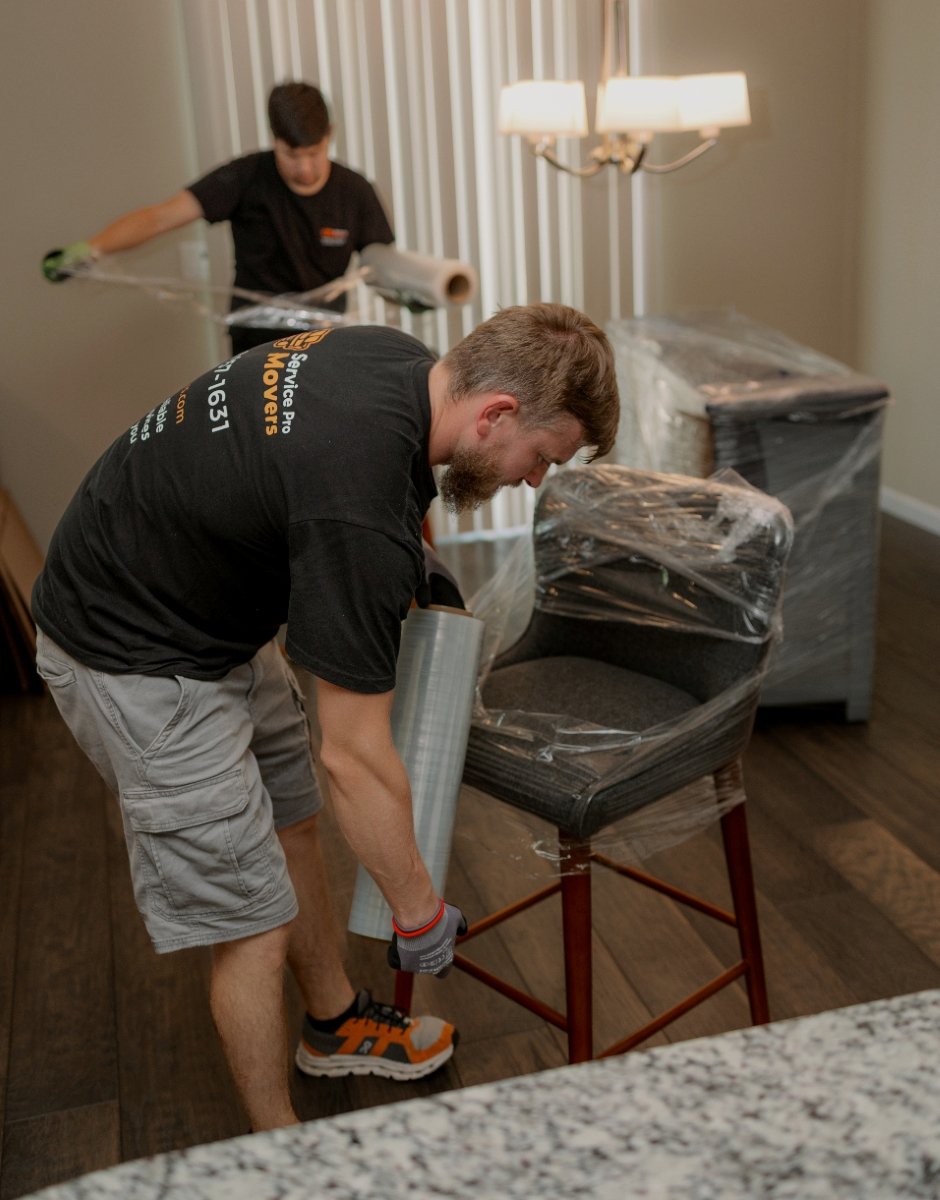
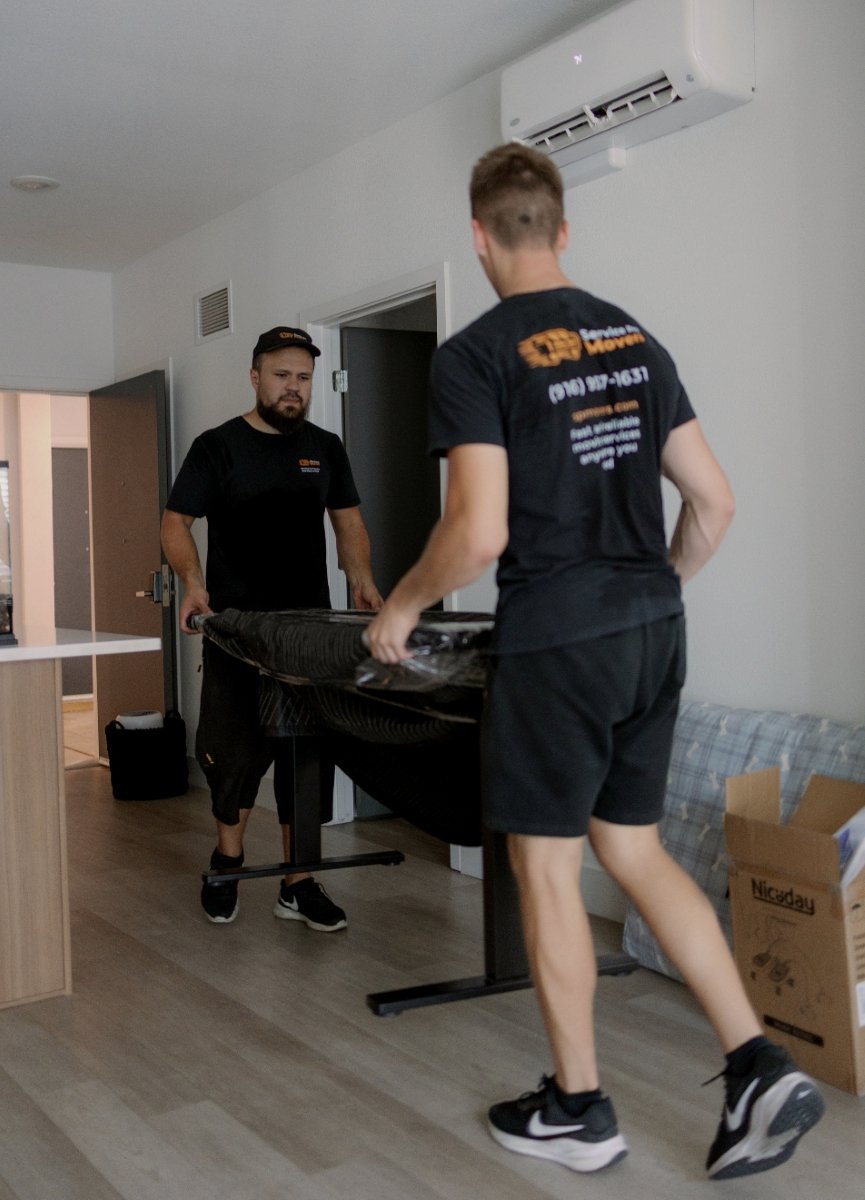
Large furniture, TVs, and appliances travel better when wrapped on site. Floor runners, shrink wrap, and moving blankets exist for a reason. Tight Sacramento stairwells scrape unprotected wood in seconds.
Tell the crew about anything fragile or awkward: glass tabletops, a standing mirror, a treadmill, a gun safe. Those items need a path cleared before the first box moves.
Pets, Kids, and Neighbors
Dogs get anxious when the living room disappears. Board them or leave them with a friend for the load-out. A leash in a busy doorway is a trip hazard. Cats hide in empty boxes and, worse, in the truck.
If you have kids, pack a small activity bag and a familiar blanket. An empty apartment feels loud. A short outing during the heaviest lift is kinder than asking them to “help” with the sofa.
Notify neighbors on your floor. A hallway full of dressers is less annoying when people have a day’s notice. In HOA complexes, that courtesy also keeps complaints off your file.
Hire Help Without Turning It Into a Pitch
A studio you can handle with friends. A two-bedroom with a sectional, a washer, and a third-floor walk-up is a different job. Look for licensed, insured movers who have done apartment work in Sacramento, CA, not only houses with driveways.
Ask how they protect floors and corners. Ask who reserves the elevator. Ask whether they reassemble beds. Vague answers produce vague move days.
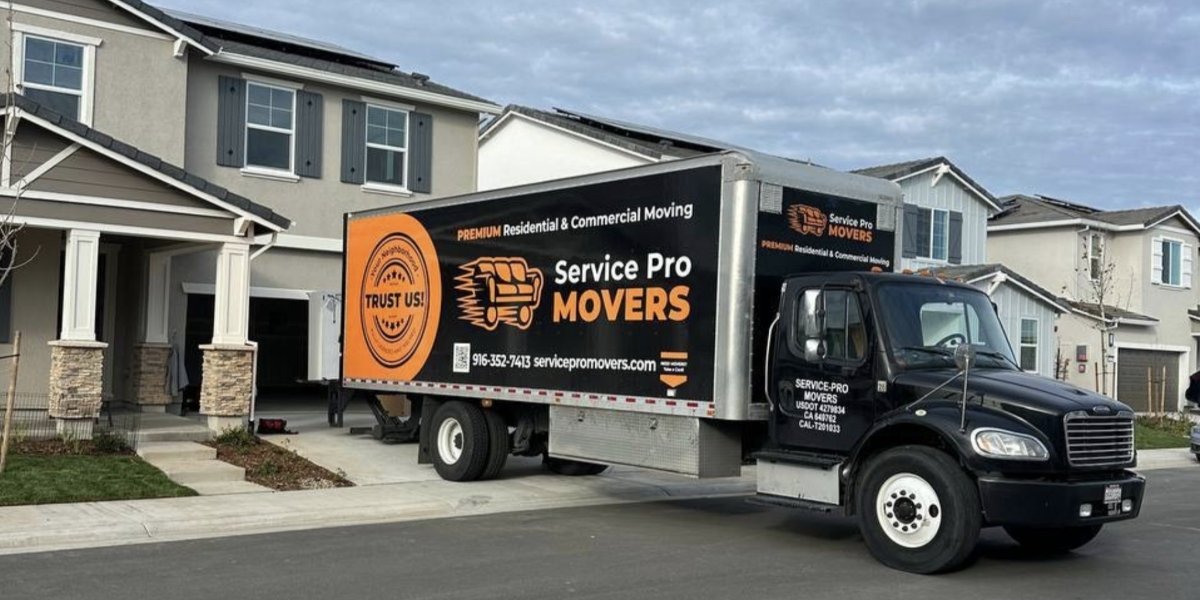
Local teams such as Service Pro Movers already deal with complex rules and tight access. Still verify the basics: crew size, wrap materials, and a named lead. Get the sequence in writing: wrap, load, transport, place. You are buying a process, not a truck.
Never skip the walkthrough. An estimator who only asks square footage will miss the piano in the loft and the parking stall that cannot fit a 26-foot van.
Move-Day Sequence That Holds Together
Night before: clear aisles, unplug everything except one charging station, take out trash, and defrost the freezer. Stack labeled boxes against interior walls, not in front of the door.
Morning of:
- Meet the crew lead and walk the unit once.
- Confirm what stays (built-ins, landlord fixtures) and what goes.
- Lay floor protection before the first dolly.
- Load long furniture after you know the stair and elevator timing.
- Do a final sweep: closets, under beds, balcony, oven drawer.
At the new apartment, place furniture before you open boxes. Put the bed together first. Then the kitchen. Then everything else. If you dump boxes in the living room, you will move them twice.
Walk the old unit with a phone camera before you hand over keys. Open every cabinet. Landlords argue from photos, not from memory.
First 48 Hours in the New Place
Test smoke detectors, water pressure, and the stove. Find the breaker panel and the shutoff valves. Note parking stickers and trash days so you do not start the lease with a ticket.
Unpack the first-night bin. Make the bed. That one act drops the stress more than organizing the pantry. Eat something simple. The rest of the boxes can wait a day.
If something arrived scuffed, photograph it before you throw away the wrap. Report it while details are fresh.
Change your address with the post office, your bank, and the DMV on your own timeline. Utilities in Sacramento can lag if you wait until move-in day. Set electric, gas, and internet to start the day before you arrive if you can.
Common Mistakes That Show Up on Deposit Day
People forget to fill nail holes they made. They leave shelf liner. They skip oven cleaning. They return keys late. None of that is dramatic, and all of it costs money.
Schedule the old-unit cleaning for the same day the truck leaves, while you still have access. Take timestamped photos of empty rooms, the stove, the fridge, and the carpet. Email them to yourself.
Measure leftover paint or note the wall color if the lease requires touch-ups. A half hour of patching beats an “excessive wear” line on the statement.
Frequently Asked Questions
How Early Should I Start This Apartment Moving Guide For Sacramento In Real Life?
Four weeks is comfortable for a one-bedroom. Two-bedroom apartments with elevators and HOA rules need more lead time for reservations and packing.
What Slows Apartment Moves The Most?
Unreserved elevators, street parking that cannot fit the truck, heavy boxes on narrow stairs, and furniture that was never measured against the landing.
Should I Pack Everything Myself?
Pack clothes, books, and kitchenware if you want control. Leave large furniture, TVs, and appliances to people with blankets and straps. Mixed approaches work if labels stay consistent.
Do Sacramento Complexes Really Ask For Insurance Certificates?
Many do, especially downtown and newer gated communities. Ask early and send the document as soon as you have a date.
How Do I Protect Floors And Walls?
Floor runners, corner guards, and wrapped furniture. Clear the path so nobody “cuts the corner” with a dresser.
What About A Last-Minute Apartment Move?
Shrink the inventory. Donate or sell bulky extras. Focus on a clean path, labeled boxes, and a first-night kit. Perfect packing is less important than a safe load-out.
Closing Thoughts
An apartment move in Sacramento rewards people who treat the building as part of the job. Measure the stairs. Reserve the elevator. Pack for narrow halls. Keep pets out of the doorway. Photograph the empty unit.
Do the unglamorous work a week early. Move day then looks quiet: pads on the floors, boxes coded by room, the bed standing before dark. That is the version that protects your deposit, your furniture, and your patience.