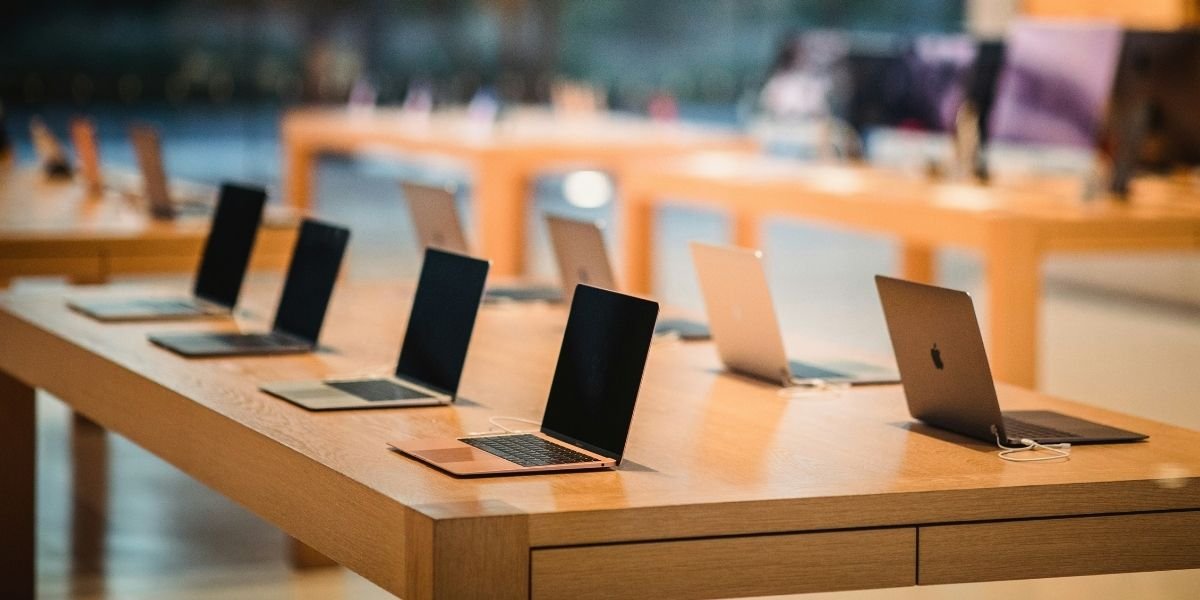
Apple’s highly anticipated Black Friday event for 2025 has officially kicked off, offering customers a chance to score Apple Gift Cards worth up to $250 with select purchases. Running from November 28 through December 1, 2025, the promotion covers a wide range of Apple products, including iPhones, iPads, Macs, AirPods, and Apple Watches. While Apple has long been known for its minimal direct discounts, the gift card incentive has become an essential part of the company’s holiday shopping strategy, attracting both loyal customers and newcomers alike.
This year’s deals include up to $250 in Apple Gift Cards with iPhone 16 purchases, up to $140 with select iPads, and up to $250 with Macs. Accessories such as AirPods and Beats headphones are also eligible for gift cards worth up to $70. These gift cards can be used for future Apple purchases, giving shoppers the flexibility to stretch their budgets on future devices, accessories, apps, or services.
For Apple, this approach reflects a shift away from direct markdowns, which are more common with third-party retailers. Instead, the company offers incentives that encourage customers to remain within the Apple ecosystem, adding value without significantly altering its pricing structure. However, the question remains for shoppers: Do these gift cards offer enough value to outweigh the upfront savings that competitors provide?
Comparing Apple’s Gift Cards to Reseller Discounts
While Apple’s official Black Friday event focuses on offering gift cards, major retailers like Amazon, Best Buy, and Walmart are offering direct price cuts on Apple products. For example, shoppers can find $200 off MacBook Air models, $50 off AirPods Pro, and $100 off Apple Watch Series 11 at these retailers. These direct discounts provide immediate savings, which may appeal to customers who prefer instant savings rather than credit for future purchases.
In addition to these direct discounts, carrier promotions add another layer of competition. Some iPhone 16 Pro models are available with up to $150 in discounts when bundled with trade-in offers or service contracts, adding more value for customers who are willing to sign up for service plans. These promotions highlight the broader landscape of Black Friday shopping, where Apple’s official event competes with aggressive pricing from resellers.
For shoppers in California, a decision must be made between the gift card promotion from Apple or immediate discounts from third-party retailers. Shoppers who plan to purchase multiple Apple products may find value in Apple’s gift cards, as they can be used across a variety of future purchases. However, for those who want immediate savings or are only purchasing one or two items, third-party retailers’ price cuts may offer a more appealing option.
Apple’s Black Friday as a Shopping Experience
Apple’s Black Friday event has become much more than a sale, it’s become a key part of the holiday shopping season. Every year, consumers eagerly anticipate the structure of Apple’s deals, knowing the company typically refrains from offering direct discounts on its products. Instead, it introduces its gift card model, which aligns with the company’s broader business strategy of encouraging customers to return to Apple for additional purchases.
Apple’s holiday shopping strategy also reinforces its premium brand image. By offering gift cards, Apple maintains a sense of exclusivity while still engaging in the Black Friday shopping frenzy. This strategy sets the company apart from others in the tech industry and fuels the conversation about how Apple approaches discounts, especially when compared to more traditional sale tactics used by other retailers.
For consumers, this strategy brings up important questions: Is the value of the gift card enough to make the purchase worthwhile, or would an upfront discount be more beneficial in the long run? For those heavily embedded in the Apple ecosystem, the gift card model offers added convenience, but for customers who are seeking immediate financial relief during the holiday shopping season, third-party retailer discounts may seem more appealing.
Practical Tips for Shoppers
As shoppers navigate Apple’s Black Friday event, it’s important to compare the value of Apple’s gift cards with the direct discounts offered by resellers. If you’re planning to purchase multiple Apple products, you might find that Apple’s gift cards give you more long-term value. For example, a $250 gift card for iPhone 16 combined with a $70 gift card for AirPods could total $320 in credit for future purchases, which can go a long way when buying accessories or apps.
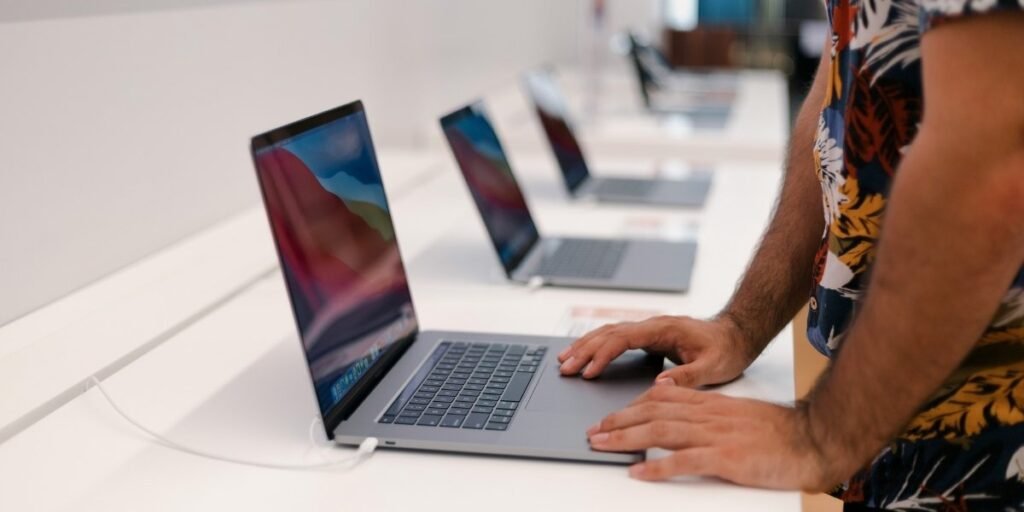 However, if you’re only interested in purchasing AirPods, you might find that a $50 discount from Amazon provides better immediate savings than waiting for a gift card from Apple. Additionally, resellers often offer faster shipping, making them a better option for those looking for immediate fulfillment.
Another factor to consider is timing. Apple’s event runs through December 1, but resellers’ Black Friday offers may sell out more quickly due to limited stock. Shoppers should keep an eye on inventory levels and act fast when they spot competitive prices. In California’s busy retail market, timing could mean the difference between securing the best deal and missing out.
If you do decide to take advantage of Apple’s gift card promotion, it’s essential to know how to use the credit. You can apply the gift card toward future Apple purchases, whether it’s for another device, accessories, apps, or services. However, if you don’t plan on making future Apple purchases, a direct discount from a third-party retailer may be the more practical option.
What to Expect from Apple in the Future
Looking ahead, Apple’s Black Friday event reinforces broader trends in the holiday shopping landscape. As consumers become more sophisticated in how they shop, they increasingly weigh not just the size of the discount but the form it takes. Gift cards, direct price cuts, and bundle offers each reflect different strategies for attracting buyers, and Apple’s reliance on its gift card promotion ensures it maintains a premium image while still participating in the holiday shopping frenzy.
For California shoppers, Apple’s Black Friday event also underscores the state’s status as a technology hub. Cupertino, where Apple’s headquarters is located, symbolizes the cutting-edge innovation that Apple continues to embody. This promotion, while offering some discounts, reflects the company’s ongoing commitment to building brand loyalty and ensuring that its customers return time and again for future purchases.
The question remains whether Apple will continue with its gift card model in future years or experiment with other strategies. As competition increases, consumer expectations evolve, and new shopping trends emerge, Apple may need to adapt. However, for now, the 2025 Black Friday event strengthens the company’s current model, one that balances offering savings with maintaining its exclusive brand positioning.