
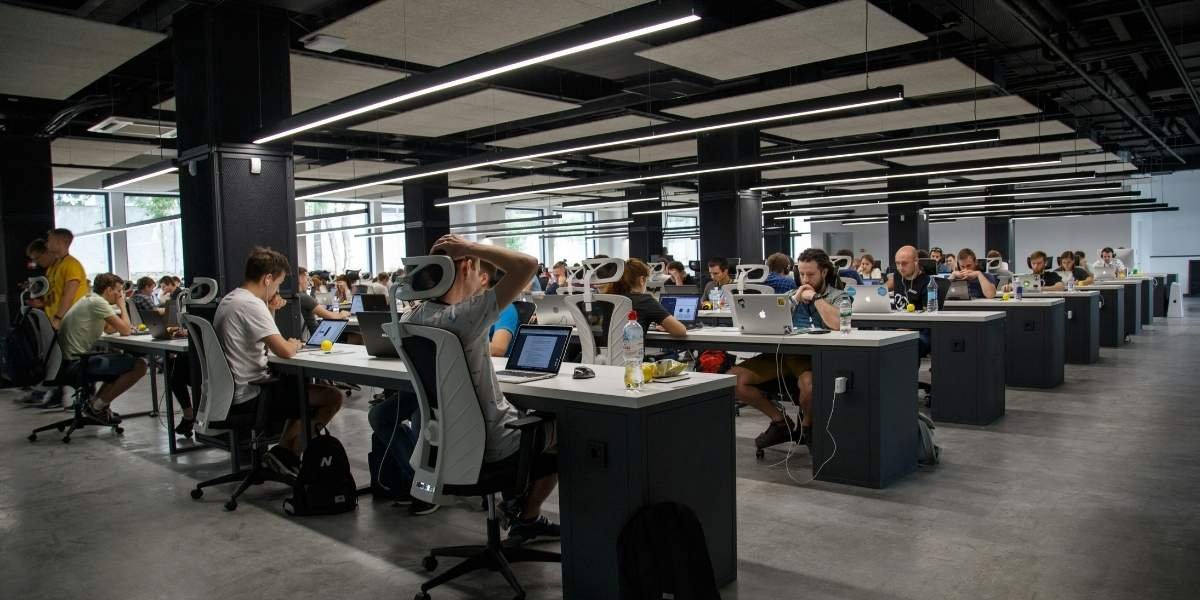
California agencies are reviewing office space and workplace logistics as the state’s return-to-office mandate brings more employees back to in-person work. The effort has prompted assessments of available workspace and operational readiness across government offices.
Key Takeaways
- California agencies are implementing the state’s return-to-office mandate.
- Some departments are reviewing whether existing office space can accommodate more in-person employees.
- Workplace planning includes evaluating seating, shared workspaces, and office operations.
- The changes could affect California state employees and government office management.
- Agencies are working to support the transition while maintaining daily operations.
California agencies are assessing office capacity and workplace logistics as the California return-to-office mandate requires more state employees to report to government offices for in-person work. Departments responsible for implementing the policy are reviewing available workspace, seating arrangements, and operational readiness to support the expanded office presence while maintaining regular public services.
The workplace review follows the state’s directive requiring eligible employees to spend more of their workweek in the office. Agencies are determining whether existing facilities can accommodate additional staff, particularly in locations where office space was reconfigured during years of expanded remote work.
What Prompted California’s Office Capacity Review?
California’s return-to-office policy requires many state employees to work on-site more frequently than under previous hybrid arrangements. As departments prepare to meet the directive, they are evaluating whether office buildings, workstations, conference rooms, and shared spaces can support the required increase in daily occupancy.
Several agencies have acknowledged that remote work arrangements adopted in recent years changed how office space was used. Some departments consolidated work areas or introduced shared desks to accommodate flexible schedules. The updated workplace requirements have prompted agencies to reassess those arrangements before more employees return to physical offices.
State officials are also reviewing building operations, including employee access, workspace availability, and facility management, to ensure offices can function efficiently under higher occupancy levels.
Office Space and Seating Arrangements
Many agencies are examining whether current seating configurations can support employees who are expected to work on-site several days each week. Departments using hoteling systems or shared workstations are reviewing reservation processes and workspace assignments to reduce scheduling conflicts.
Facility managers are also assessing meeting rooms, collaborative work areas, employee amenities, and common spaces to determine whether adjustments are necessary before implementation is completed.
How Are State Agencies Preparing for More In-Person Work?
Departments across California government are coordinating workplace planning as they implement the return-to-office requirements. Preparation efforts include reviewing available office inventory, confirming workspace assignments, updating employee guidance, and coordinating schedules among individual divisions.
Some agencies are evaluating whether employees can be accommodated within existing facilities without requiring additional leased office space. Others are reviewing internal layouts to improve space utilization while maintaining operational efficiency. Workforce planning also intersects with employee well-being initiatives, including strategies for supporting employees with self-compassion during periods of organizational change.
Information technology teams are also supporting the transition by ensuring employees have access to office-based equipment, secure network connections, and meeting technology needed for hybrid collaboration between on-site and remote staff.
Department-Level Planning Efforts
Implementation plans differ among agencies because office layouts, staffing levels, and available facilities vary across departments. Managers are reviewing workforce schedules to balance office attendance while maintaining uninterrupted public services.
Departments responsible for large statewide workforces may phase workspace adjustments according to operational requirements, allowing facilities teams to address capacity issues before full implementation.
Which Operational Challenges Have Agencies Identified?
Office capacity has emerged as one of the primary operational considerations associated with the California return-to-office mandate. Agencies are evaluating whether buildings originally designed for traditional office work remain suitable after years of changing workplace practices.
Shared workspaces require coordination to ensure employees have access to desks when scheduled to work in person. Departments are also reviewing storage, employee equipment, meeting availability, and workspace accessibility.
Building services may require adjustments as occupancy increases. Agencies responsible for facility operations are reviewing maintenance schedules, security procedures, parking availability, and building access systems to support larger numbers of employees returning to offices during the workweek.
Some departments are also considering scheduling strategies that distribute employee attendance across different days, helping manage occupancy while remaining consistent with state workplace requirements.
Timeline for Workplace Adjustments
Agencies continue to evaluate office readiness as implementation progresses. Facility assessments, workspace planning, and employee scheduling remain ongoing components of the transition process.
Where workspace limitations have been identified, departments are reviewing practical operational solutions within existing office resources before making longer-term facility decisions.
How Could the Return-to-Office Mandate Affect State Employees?
The updated workplace requirements change how many California state employees organize their weekly work schedules. Employees covered by the policy may spend more time working from government offices, requiring adjustments to commuting routines, workspace assignments, and collaboration with colleagues.
Managers are providing guidance on office attendance expectations, workspace availability, and scheduling procedures. Departments are also communicating operational updates as office preparations continue. The return-to-office policy also comes as California continues to evaluate workplace and labor policies, including proposals related to the California minimum wage by 2030.
Employees working in offices with shared workstations may use reservation systems or assigned schedules depending on department policies. Workplace expectations can vary based on job responsibilities and operational needs, although agencies are implementing the same statewide return-to-office directive.
The transition also requires coordination between employees who continue to participate in hybrid work arrangements and colleagues working primarily from government offices. Departments are reviewing meeting practices and collaboration tools to support communication across different work settings.
Frequently Asked Questions
What is California’s return-to-office mandate?
The California return-to-office mandate requires many eligible state employees to spend more of their workweek working from government offices rather than remotely, subject to agency requirements and job responsibilities.
Why are California agencies reviewing office capacity?
Departments are evaluating whether existing office buildings, workstations, and shared spaces can accommodate increased in-person attendance while maintaining efficient workplace operations.
Which California state employees are affected by the return-to-office policy?
The policy applies to eligible state employees covered by the state’s workplace directive, although implementation details may vary depending on departmental operational needs and employee roles.
What workplace challenges have agencies identified?
Agencies are reviewing seating capacity, shared workspaces, meeting space availability, office equipment, building operations, and employee scheduling as part of implementation planning.