
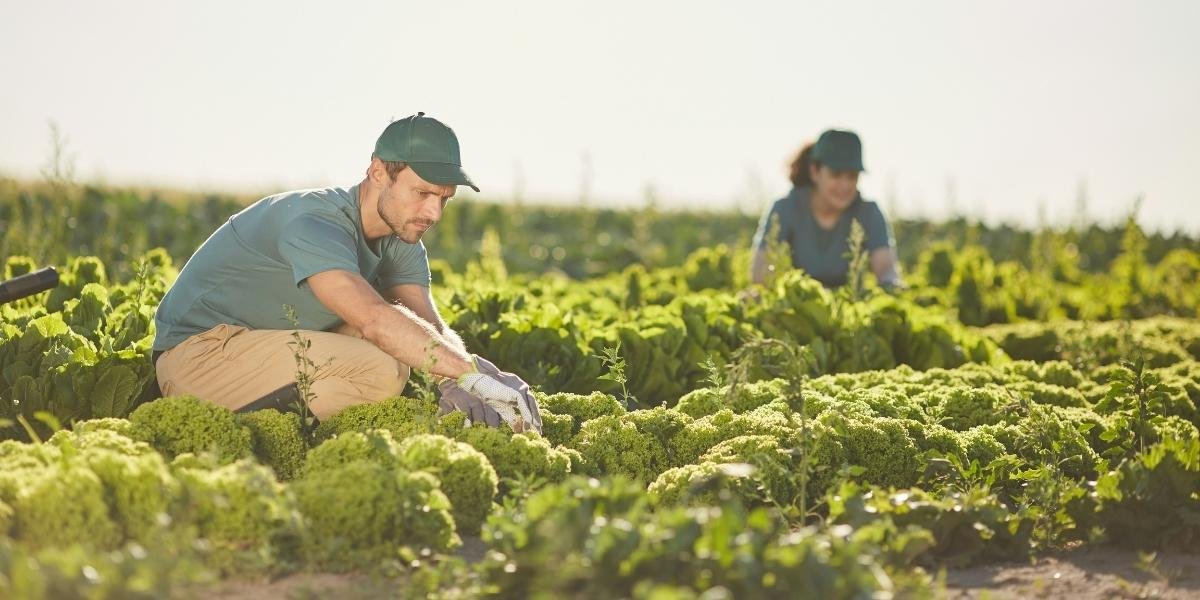
California’s small-farm sector is shrinking as producers contend with water uncertainty, labor expenses, land prices and limited access to capital. The challenges are particularly significant for younger operators seeking to enter or continue farming, including Eric and Andrew Walker, who began farming a five-acre property in Winters in 2022.
Key Takeaways
- California had 46,804 small farms in 2022, down from 55,605 in 2017, a 16% decline.
- Small farms accounted for 74% of California farms in 2022 but generated only a small share of the state’s agricultural revenue.
- Water availability, labor costs, real-estate prices and access to capital are among the pressures facing smaller operators.
- Eric and Andrew Walker began Farmboy Organics in 2022 after taking over a five-acre property in Winters from a retiring farmer.
- Brian Park took over his family farm in Sutter County in 2021 and continues to face risks tied to water, labor and operating costs.
California Small Farms Decline Despite the State’s Large Agricultural Economy
California had 46,804 small farms in 2022, according to U.S. Department of Agriculture data cited in the September 2026 report. The figure was down from 55,605 small farms in 2017, representing a 16% decline over five years. Small farms were defined as operations with annual gross income below $350,000.
Small farms represented 74% of all farms in California in 2022, but their share of the state’s agricultural revenue was much smaller. California’s overall agricultural industry generates about $60 billion annually, with large-scale agribusinesses accounting for much of that activity.
The decline has affected small operations across California, with similar patterns reported in the Sacramento Valley. Industry experts cited several factors behind the loss of small farms, including water shortages, labor challenges and real-estate costs.
Those pressures also affect agricultural businesses across the Central Valley, where farmers face water and labor constraints alongside environmental and production costs.
Small operators also face financial risks that can be harder to absorb than they are for larger agricultural businesses. The costs and uncertainty associated with farming can make it difficult for smaller farms to maintain operations through periods of changing prices, water availability and regulatory requirements.
Daniel A. Sumner, a professor of agricultural economics at UC Davis and former agricultural economist at the U.S. Department of Agriculture, said farming requires more resources to provide a living for a small operator. He also described agriculture as a business in which prices and water availability can fluctuate.
Small farms are also less likely to grow high-value crops such as nuts and citrus, which contribute significantly to California’s agricultural economy. The investment required to produce those crops can create risks that smaller operators may not be able to absorb.
Water Availability Creates Added Risks for Smaller California Farms
Water remains a central operating issue for California farms. The Sacramento Valley receives more rainfall than the San Joaquin Valley, but much of that precipitation occurs during winter, leaving farms dependent on water deliveries and irrigation during the summer growing season.
From 2002 through 2022, the Sacramento Valley experienced severe drought during more than half of those years. Water deliveries were significantly reduced during the drought periods, creating additional pressure for farms that depend on reliable irrigation.
Rainfall across the Sacramento Valley increased considerably after 2022, and water allocations returned to normal for most of the delivery system. A recent dry winter, however, has raised concerns about water conditions for farmers.
Groundwater management is another issue facing agricultural operators. California’s Sustainable Groundwater Management Act, passed in 2014, requires local agencies to develop plans for managing groundwater use. Agencies can restrict pumping, impose fees and require meters.
Groundwater historically provided farmers with an additional source of water during droughts. The state’s groundwater-management requirements were adopted after years of aquifer overdraft contributed to subsidence in parts of California.
Recent research has also examined the connection between climate conditions and groundwater supplies in the Central Valley, including an August 2026 study on groundwater losses associated with climate-driven changes.
Smaller farms can have fewer financial resources to meet new groundwater-management requirements than larger agricultural operations. The demands are expected to be greater in the San Joaquin Valley than in the Sacramento Valley, where access to surface water and irrigation is greater.
The Yolo Subbasin Groundwater Agency oversees groundwater relied upon by the Walkers’ farm in Winters. Its plan says groundwater use in the area has historically been sustainable while calling for continued monitoring to prevent chronic depletion.
Land Costs Limit Opportunities for Younger Farmers
Eric and Andrew Walker, 29-year-old identical twins, grew up on a small family farm but initially pursued different careers. Andrew studied sports management, while Eric studied journalism. Their path changed when they had an opportunity to farm a five-acre property in Winters after another farmer retired.
The property included a barn, greenhouse and tractor, giving the brothers infrastructure that was already suited to farming. Their parents had previously farmed the same property before the twins were born. The brothers started Farmboy Organics in 2022 and later leased three additional small properties.
Farmboy Organics has also hired two part-time employees. The brothers work six days a week for about 10 hours a day throughout the year and sell produce at markets in Davis and Marin County three days each week. Their crops include 20 varieties of tomatoes along with other fruits, vegetables and herbs.
The Walkers have not needed a loan to cover their operating expenses, but they face uncertainty because they lease their farmland rather than own it. The owners could eventually sell the property for housing or another form of development, and the brothers said they could not afford to purchase it if it went on the market.
Access to credit is another obstacle. Andrew Walker said owning agricultural land is difficult and obtaining financing can be challenging. A bank employee visited the farm before approving a $20,000 loan for a used van, while the brothers said the uncertainty of annual farm income can make credit decisions more difficult.
The Walkers’ experience illustrates one of the practical barriers facing young farmers in California: starting an operation can depend on access to land and existing farm infrastructure, while leasing can leave an operation vulnerable to changes in property ownership.
Labor Expenses Add Pressure to Small Farm Operations
Labor costs create another financial pressure for small agricultural businesses. Small farms commonly rely on seasonal employees for harvesting and other farm work, according to Sumner.
California’s overtime rules also affect farm labor costs. A 2016 state law gradually introduced requirements for agricultural workers to receive overtime pay at one and a half times their regular wage after eight hours in a day or 40 hours in a week. For farms with 25 or fewer employees, the requirement took effect last year after three years of less stringent overtime rules.
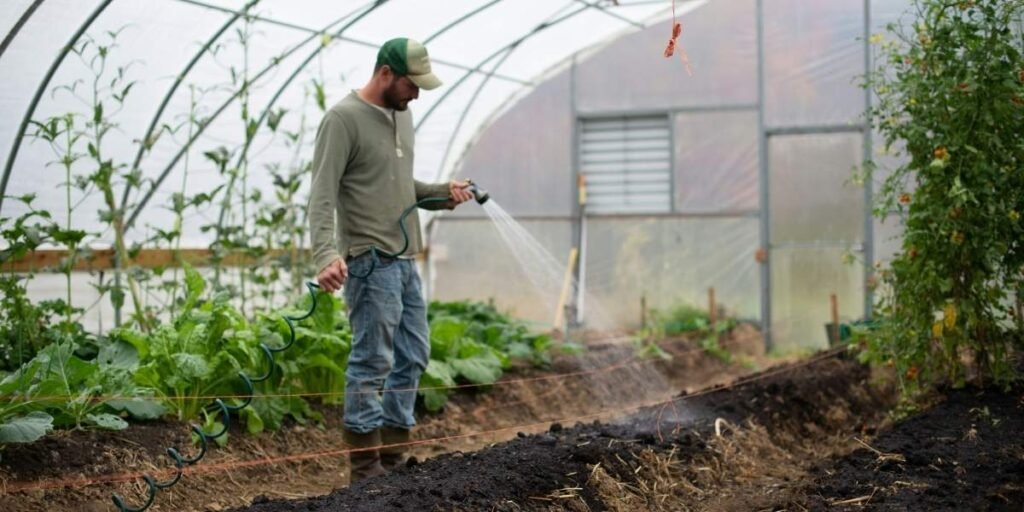
California’s agricultural labor costs have also been the subject of separate state policy proposals, including a 2026 bill concerning wages for seasonal and temporary agricultural workers.
Brian Park, who operates Park Farming Organics in Sutter County, said labor costs are among the expenses affecting his farm. Park took over the family business in 2021 after buying the farm from his parents.
Park grows a variety of fruits and vegetables, with an emphasis on soil health. He has used operating loans during difficult market periods and credits his bank, soil-conservation practices and continued changes to the farm’s operations with helping the business remain viable.
His farm has access to strong water rights near the Sacramento River, but the property is located in a floodplain. That creates a different water-related risk because a major winter storm could damage the operation.
Park also maintains long-term relationships with farm employees. Many have worked on the operation for more than two decades, including workers who were employed by his parents before he took over the farm.
Farm Succession Depends on Access to Land and Capital
Farm succession takes different forms among California’s smaller agricultural operations. The Walker brothers entered farming after growing up around their parents’ farm, while Park purchased his parents’ business and assumed responsibility for its operation in 2021.
Park has two children, ages 10 and 13, and hopes they may eventually take over the farm. The children have not expressed interest in doing so, and Park said he is uncertain whether operating the farm will remain an option for them when they are older.
The financial structure of a farm can affect succession decisions. Park’s access to water rights and banking relationships provides resources for operating the farm, while the Walkers’ leased land gives them access to a five-acre property without requiring them to purchase it.
The differences between the two operations show the range of circumstances involved in transferring or establishing a small farm. Land ownership, water access, financing, labor costs and the availability of family successors can all affect whether an operation remains viable for another generation.
For the Walkers, the ability to lease suitable farmland allowed Farmboy Organics to begin operating in 2022 without purchasing agricultural property. The brothers subsequently expanded onto three additional leased properties, but the possibility that leased land could be sold remains a financial risk for the business.
For Park, succession is tied to whether his children eventually choose to operate the farm and whether the business remains economically workable. His experience also shows how water rights, financing and established labor relationships can shape the operation of a family farm.
California had nearly 8,800 fewer small farms in 2022 than five years earlier, leaving fewer small-scale operations in a state where they still represented nearly three-quarters of all farms.
Frequently Asked Questions
How many small farms are there in California?
California had 46,804 small farms in 2022, according to U.S. Department of Agriculture data cited in the report. That was down from 55,605 in 2017.
Why are California small farms declining?
The reported pressures include water shortages, labor costs, real-estate expenses and limited access to capital. Smaller operations can also face greater difficulty absorbing the financial risks associated with changing agricultural prices and water availability.
What are the biggest costs facing small farms in California?
Land, labor and water are among the major costs and risks identified in the report. Financing can also be difficult because farm income can fluctuate from year to year.
How are young farmers entering California agriculture?
Eric and Andrew Walker entered farming by taking over the operation of a five-acre property in Winters after another farmer retired. They began Farmboy Organics in 2022 and later leased three additional small properties.
How does water availability affect California small farms?
California farms rely on irrigation and water deliveries, particularly during summer. Drought can reduce deliveries, while groundwater-management requirements can impose additional restrictions, fees and monitoring requirements on agricultural water users.