
California’s ongoing water scarcity remains a complex issue, shaped by both natural and human-made factors. Despite recent rains and snowstorms in early 2026, the state continues to navigate long-term water management challenges. Prolonged droughts, aging infrastructure, and climate variability persist as key issues, and water supply strategies are being constantly evaluated to meet the demands of a growing population, extensive agricultural production, and a changing climate.
The Drivers of Water Scarcity in California
Water scarcity in California is driven by a combination of climate patterns, infrastructure limitations, and legal frameworks. A primary factor is the state’s reliance on snowpack in the Sierra Nevada Mountains, which typically serves as the primary source of water during spring and summer months. In early 2026, the snowpack was reported to be 70% of normal, which remains lower than the historical average and poses risks to water availability during the warmer months. California’s dependence on surface water, along with rising groundwater depletion from long-term overuse, has made water management increasingly complex.
The issue is compounded by climate change, which has brought higher temperatures and altered precipitation patterns, resulting in more rain and less snow during critical winter months. Groundwater depletion continues in some areas, exacerbated by limited recharge during dry years. According to the California Department of Water Resources (DWR), groundwater basins in the Central Valley remain below average, a challenge that the state continues to address through its Sustainable Groundwater Management Act (SGMA).
State Water Management and Conservation Efforts
California’s approach to managing water supply revolves around conservation efforts, infrastructure upgrades, and regulatory changes. In 2025–2026, the state saw increased investment in conservation programs as a means to reduce demand and promote sustainable use. Conservation remains a priority, with the State Water Resources Control Board enforcing restrictions on water use, especially for non‑essential purposes. Agencies continue to publish water conservation data, helping the public understand the status of water supplies and track local shortages.
Another significant policy initiative is the Sustainable Groundwater Management Act (SGMA), which mandates that local agencies work to bring groundwater basins into balance. This includes creating plans for aquifer restoration and setting deadlines for recovery, some of which extend through 2040. The act aims to reduce overdraft, particularly in areas with extensive irrigation demand, such as the Central Valley.
Beyond conservation, infrastructure projects remain critical to California’s long-term water management. The Sites Reservoir proposal, aimed at creating additional storage capacity in Northern California, has gained momentum in the past year, with federal approval secured for the project. Once completed, the Sites Reservoir could significantly improve the state’s ability to capture runoff during wet seasons for use in dry years. This project, part of a broader strategy to expand water storage options, reflects California’s efforts to prepare for future water challenges.
Technology and Clean Energy Driving Water Management
Technological advancements have become key components of California’s strategy to address water scarcity. Desalination technologies, which convert seawater into drinking water, have been implemented in various coastal regions. A new desalination plant in Antioch, California, has been cited as a vital example of how the state is diversifying its water supply beyond traditional sources. This innovation helps bolster urban water supplies, especially in times of prolonged drought.
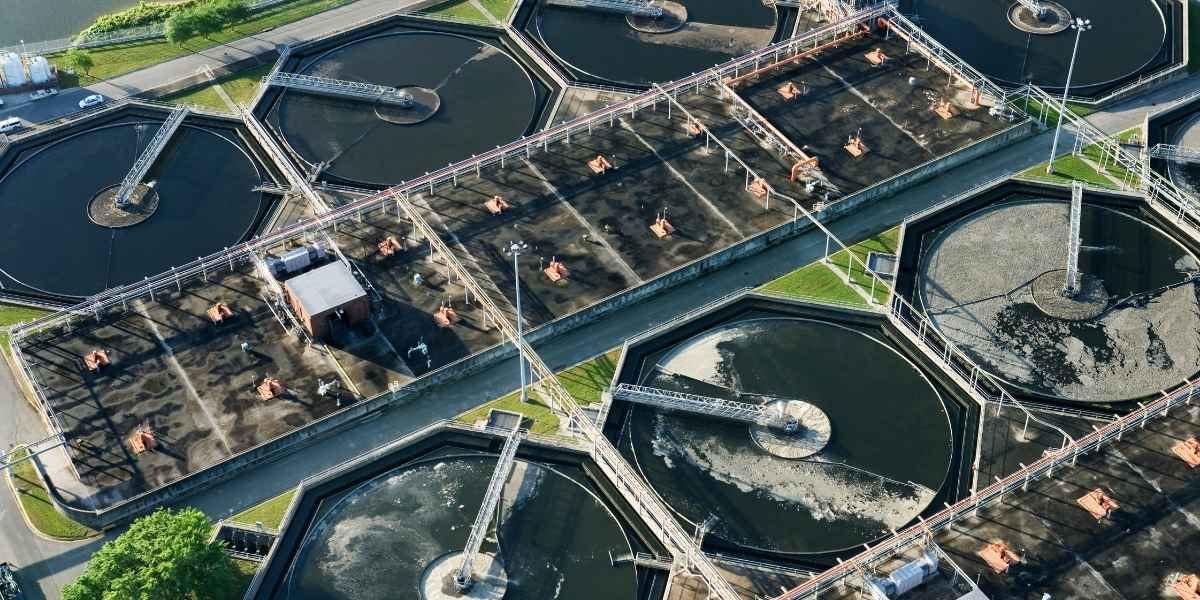
Wastewater recycling and stormwater capture are also gaining traction as long-term solutions. Recycled water is increasingly being used in agriculture and industrial sectors, reducing the reliance on fresh water for non-potable uses. Additionally, stormwater capture systems—designed to capture rainwater runoff for storage—are helping improve water availability in urban areas. These methods help meet the water demand while reducing the pressure on traditional water sources, such as the Colorado River and Bay-Delta system.
Water Scarcity and its Impact on Communities and Businesses
The impact of water scarcity is not just felt in policy discussions and infrastructure planning; it directly affects households, businesses, and agriculture across California. For households, water scarcity often results in conservation mandates, such as restrictions on outdoor watering, tiered pricing for water usage, and efforts to reduce commercial water waste. Communities in rural or disadvantaged areas are particularly vulnerable, as aging water infrastructure and limited access to modern systems increase their exposure to shortages and contamination.
For agriculture, which accounts for a significant portion of the state’s water use, predictability in water supply is critical. With California being a top producer of crops like almonds, grapes, and lettuce, water availability directly influences crop yields and farm profitability. In response, agricultural businesses are increasingly turning to precision irrigation systems, which reduce water waste by using real-time data to deliver water precisely when and where it’s needed.
The role of technology is also evident in the ability of companies to monitor water usage. For businesses dependent on water-intensive manufacturing processes, tools like smart water meters allow for real-time tracking and efficient resource management. These technologies not only help businesses comply with regulations but also enable them to reduce operational costs and improve sustainability.
Long-Term Planning and Resilience
As California faces continued challenges from droughts, climate change, and growing demand, long-term planning will remain crucial to water management. Officials have emphasized that water resilience is not just about responding to individual years of drought but preparing for a fluctuating future where water availability may change unpredictably. The Public Policy Institute of California (PPIC) has highlighted the importance of adapting management practices in the face of evolving climate conditions.
California’s water policy will increasingly rely on cross-sector collaboration, integrating scientific research, technology, and community engagement. Continued investment in infrastructure and conservation technologies will play a significant role in ensuring that the state’s water supply remains reliable, even in the face of climate uncertainty. By embracing both technological innovation and collaborative approaches, California can mitigate the challenges of water scarcity while enhancing its resilience for the future.