With a strong El Niño developing in the Pacific, Bay Area homeowners are being encouraged to prepare their heating, electrical, plumbing, and drainage systems before winter weather arrives.
The worst time to discover that your heating system has stopped working, your electrical equipment is damaged, or your drains are blocked is during a major winter storm.
And this year, California has a good reason to prepare early.
According to the National Oceanic and Atmospheric Administration (NOAA), El Niño conditions are strengthening, with a greater than 83% chance of a strong-to-very-strong event continuing through January–March 2027.
Historically, some strong El Niño events have been associated with unusually wet winters in California. While the forecast does not automatically mean flooding or extreme rainfall in the Bay Area, the possibility of significant storms makes home preparation particularly important.
In September 2026, California declared a statewide emergency to strengthen preparations for potential El Niño-related weather impacts.
For homeowners, preparing for winter storms means more than checking the roof or clearing gutters. Heating, electrical, plumbing, and drainage systems can all be affected by cold, wet weather.
Fuse Service, a Bay Area HVAC, electrical, and plumbing company, recommends checking five essential home systems before the rainy season.
1. Heating Systems: Don’t Wait Until the First Cold Night
After months of little or no use, a furnace or heat pump may develop problems that homeowners won’t notice until they turn on the heating for the first time.
Dirty air filters, thermostat malfunctions, electrical faults, and worn components can prevent a heating system from operating properly.
For homes with heat pumps, blocked condensate drains or problems with the outdoor unit may also affect performance.
Homeowners should test their heating systems before colder weather arrives, check air filters, and pay attention to unusual noises, weak heating, or repeated shutdowns.
A professional HVAC inspection can help identify operational problems and safety concerns before the system is needed every day.
2. Electrical Panels: Check for Problems Before Storm Season
Winter storms can bring power outages, moisture exposure, and electrical hazards.
While electrical panels are designed for safe operation under normal conditions, existing problems such as loose connections, corrosion, or damaged components can create risks.
Warning signs include repeatedly tripping breakers, flickering lights, unusual buzzing sounds, burning smells, and visible moisture damage.
Homeowners should never attempt to open an electrical panel or repair damaged wiring themselves.
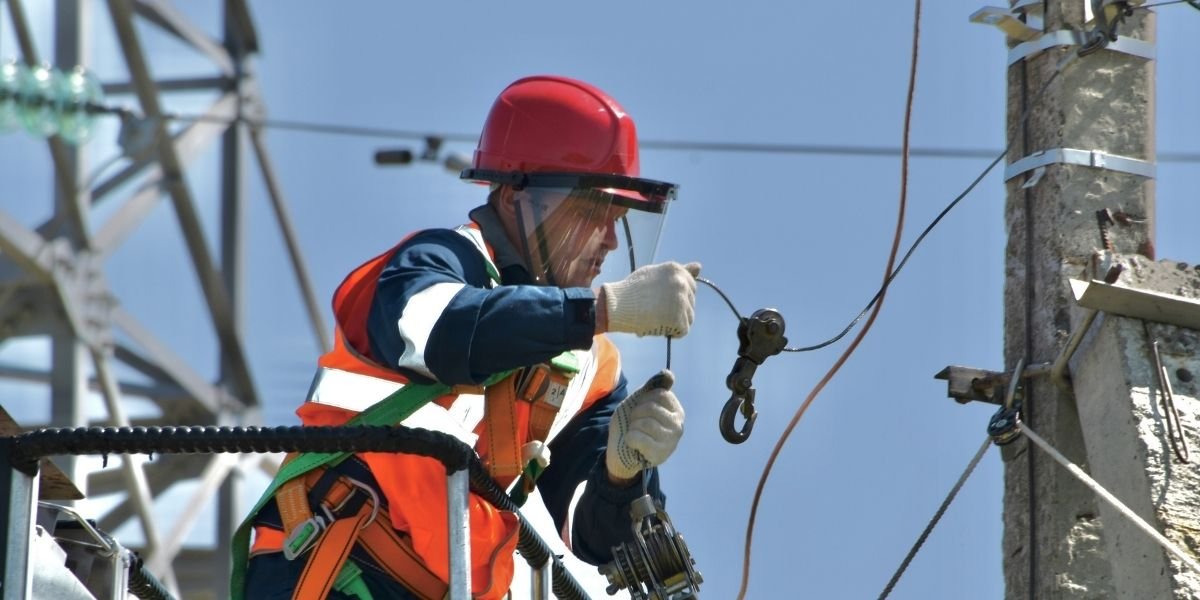
A licensed electrician can inspect the system, identify potential hazards, and recommend necessary repairs.
Whole-home surge protection may also be worth considering. Surge protective devices can help reduce damage from certain voltage spikes associated with utility switching and other electrical events, but they cannot prevent power outages or protect against every surge.
3. Outdoor HVAC Equipment: Rain Isn’t Always the Problem
Outdoor air conditioning units and heat pumps are designed to operate in normal weather conditions, including rain.
However, standing water, accumulated debris, blocked airflow, and damaged electrical components can create problems during storm season.
Leaves and dirt around an outdoor unit may restrict airflow, while poor drainage can allow water to collect near the equipment.
Outdoor electrical disconnects and wiring must also be properly installed and protected against weather exposure.
Homeowners can help by keeping the area around their HVAC equipment clear and making sure rainwater drains away from the unit.
If equipment is located in an area vulnerable to flooding, a professional can evaluate whether additional protection is needed.
Damaged outdoor electrical equipment should only be inspected or repaired by qualified professionals.
4. Drains and Plumbing: A Small Blockage Can Become a Bigger Problem
Heavy rainfall can quickly expose existing drainage problems.
Outdoor drains blocked by leaves, sediment, or roots may struggle to move water away from patios, driveways, and foundations.
In some circumstances, heavy rain can also contribute to sewer backups, particularly where wastewater systems experience excess inflow or infiltration.
Household sewer lines and outdoor stormwater drains often serve different purposes, but both can develop restrictions that require attention.
Homeowners should watch for slow drains, recurring backups, gurgling sounds, sewer odors, and standing water around outdoor drainage areas.
Depending on the problem, professional plumbers may recommend mechanical drain cleaning, hydro jetting, or a sewer camera inspection to identify and remove obstructions.
Cleaning drains cannot prevent every flooding event, but addressing existing restrictions can help drainage systems operate as intended.
5. Sump Pumps and Drainage: Make Sure Water Has Somewhere to Go
For homes with basements, crawl spaces, or other low-lying areas, a properly functioning sump pump may play an important role in managing groundwater.
A sump pump collects water in a basin and pumps it to an approved discharge location.
However, pumps can fail because of stuck float switches, blocked discharge lines, worn motors, or electrical problems.
Homeowners who rely on sump pumps should test them according to the manufacturer’s instructions before the rainy season.
Power outages are another consideration. Most standard electric sump pumps stop working when utility power is lost, making battery backup systems worth discussing for homes that depend on continuous pumping.
Not every property requires a sump pump.
However, homeowners who have experienced repeated water accumulation in basements, crawl spaces, or other vulnerable areas may benefit from a professional drainage evaluation.
Where appropriate, sump pump installation or other drainage improvements can help reduce the risk of water intrusion.
Why Preparing Before the Storm Matters
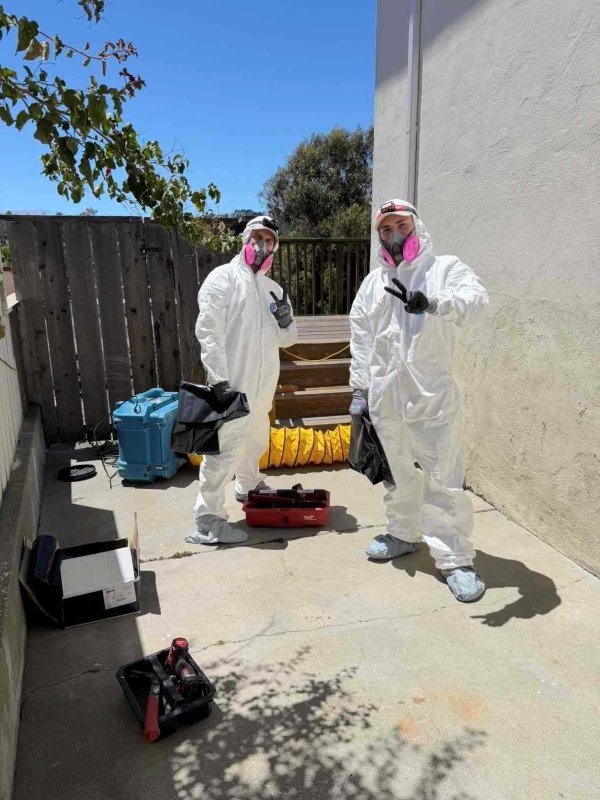
During severe weather, homeowners may face several problems at once: a heating system that won’t start, an electrical issue, or water accumulating around the property.
Storms can also increase demand for emergency repair services, potentially making it harder to schedule an appointment quickly.
Preventive inspections give homeowners an opportunity to identify existing problems and arrange necessary repairs before weather conditions become more challenging.
Every property has different needs. An older home with a history of plumbing backups may require different preparation than a newer home with recently serviced equipment.
The goal is not to predict exactly what El Niño will bring to a particular neighborhood, but to make sure essential home systems are ready for winter conditions.
One Company for HVAC, Electrical, and Plumbing Preparation
Preparing a home for winter often means coordinating several different services.
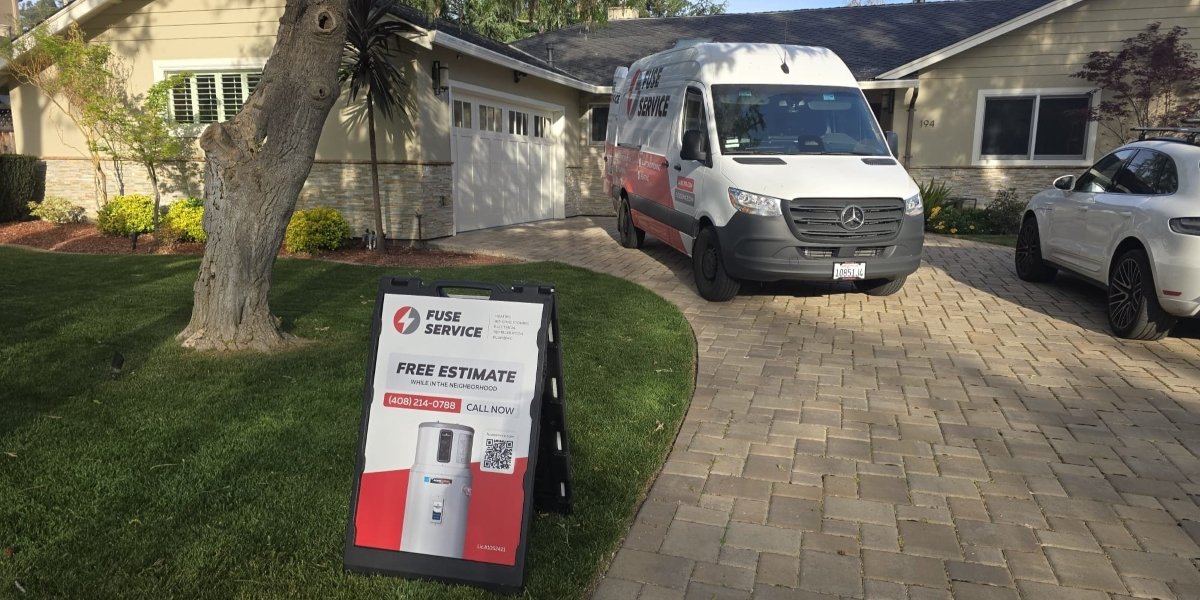
Fuse Service helps simplify that process by providing HVAC, electrical, and plumbing services throughout the San Francisco Bay Area.
Its professionals can help homeowners evaluate heating performance, investigate electrical concerns, inspect outdoor HVAC equipment, address drain and sewer blockages, and assess applicable sump pump or plumbing needs.
Whether a homeowner needs furnace maintenance, electrical inspection, professional drain cleaning, or help evaluating drainage problems, Fuse Service can recommend appropriate services based on the property’s condition.
Get Your Bay Area Home Ready Before El Niño
California’s winter weather can be unpredictable, but homeowners don’t have to wait for the first major storm to discover preventable maintenance problems.
Checking heating equipment, electrical systems, outdoor HVAC units, drains, and sump pumps before the rainy season can help identify issues that might otherwise go unnoticed.
One company. HVAC. Electrical. Plumbing. Prepare your home before the storms arrive.
Bay Area homeowners can contact Fuse Service to discuss their home’s maintenance needs and book available inspection or repair services.
Schedule your appointment with Fuse Service today at fuseservice.com.