
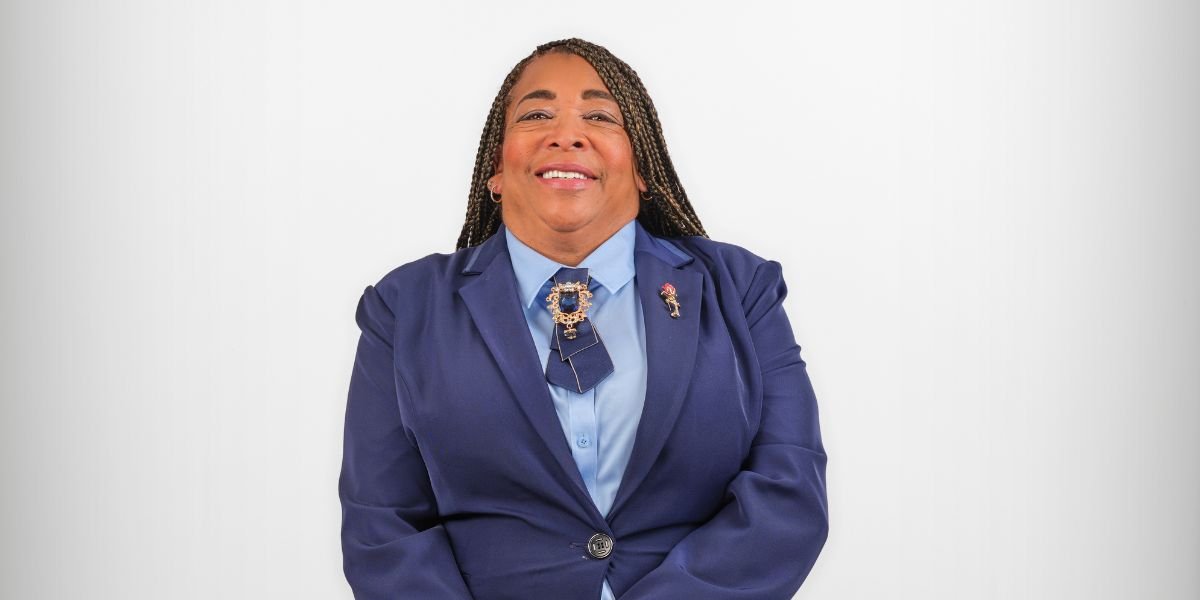
Through faith, evidence-based recovery services, and regional collaboration, the founder of The Rose of Sharon 7, Inc. is helping women restore their lives, reunite their families, and rediscover their purpose.
Across Southern California, addiction, homelessness, incarceration, and housing instability continue to affect women and families. While treatment can help women begin the recovery process, lasting transformation often requires far more: safe housing, emotional healing, education, employment opportunities, family restoration, spiritual support, and a community willing to believe in second chances.
Sharon Jackson has dedicated her life to providing that support.
As Founder and Chief Executive Officer of The Rose of Sharon 7, Inc., Jackson leads a faith-based nonprofit organization serving women affected by addiction, incarceration, trauma, and homelessness. Her mission is not limited to helping women achieve sobriety. She works to equip them with the stability, skills, confidence, and opportunities needed to build independent and purposeful lives.
A Response to the Revolving Door of Addiction
Jackson’s mission emerged from witnessing the devastating effects of drug addiction on individuals, families, and communities.
She observed women moving repeatedly between incarceration, substance-abuse treatment, unstable housing, and homelessness. Without a safe environment and long-term support, many struggled to maintain their recovery or successfully reintegrate into the community.
Jackson decided she could not stand by and allow the cycle to continue.
In 2012, she opened her first sober-living home, creating a safe and structured residence where women could begin rebuilding their lives. The home offered stability, accountability, peer support, and an environment centered on recovery.
As Jackson worked directly with women, she recognized the urgent need for licensed residential treatment services created specifically for their experiences and needs.
In 2016, she expanded her organization by opening a six-bed, faith-based, licensed and certified residential drug and alcohol treatment facility. She later established three additional recovery homes.
Today, The Rose of Sharon 7’s recovery residences can collectively accommodate up to 38 women, including mothers with dependent children. The organization provides an environment in which women can pursue recovery while working toward greater stability for themselves and their families.
Recovery That Reaches the Whole Woman
Jackson believes that recovery cannot be measured solely by the absence of drugs or alcohol.
Many women entering treatment have experienced trauma, incarceration, poverty, homelessness, broken relationships, and limited educational or professional opportunities. If those underlying concerns remain unaddressed, maintaining recovery can become significantly more difficult.
Jackson’s approach combines faith-based care with evidence-informed recovery practices. She facilitates groups that help women recognize the thoughts, emotions, and behaviors associated with addiction and relapse.
Participants learn practical strategies involving cognitive restructuring, emotional regulation, behavioral accountability, healthy decision-making, relapse prevention, and the replacement of destructive thought patterns with productive coping skills.
Biblical principles are also incorporated into the recovery process, introducing women to faith as a source of healing, hope, responsibility, and renewed purpose.
At the center of Jackson’s philosophy is a transformational message: women must learn to love themselves while learning to hate the disease of addiction.
This distinction allows women to confront the seriousness of addiction without believing that they are permanently defined by their pasts. Jackson encourages every participant to see herself as worthy of healing, stability, opportunity, and a meaningful future.
Education as an Instrument of Change
Education is another essential component of Jackson’s work.
Women who enter the program without a high school diploma are encouraged to return to school and complete their education. Others are inspired to pursue college, vocational training, professional certifications, or careers that align with their interests and abilities.
Jackson wants women to look beyond obtaining an immediate job. She encourages them to prepare for careers that can provide long-term stability, self-confidence, and economic independence.
The results can be seen in women who graduate from the program and enter the recovery profession. Some become counselors, sober coaches, mentors, support specialists, or staff members at The Rose of Sharon 7.
Their progress creates a continuing cycle of empowerment. Women who once needed intensive support become qualified and compassionate leaders who can help others navigate the recovery process.
Keeping Mothers and Children Connected
The Rose of Sharon 7’s ability to serve women with dependent children reflects Jackson’s commitment to family restoration.
Mothers seeking treatment can encounter unique obstacles. Some delay receiving help because they fear separation from their children. Others complete treatment but struggle to rebuild their families while managing housing, employment, and recovery responsibilities.
Providing a supportive environment for mothers and their children allows recovery to become a family-centered process.
When mothers achieve stability, children gain a safer and more dependable foundation. When family relationships are restored, the effects can reach across generations.
Jackson’s work demonstrates that investing in a woman’s recovery is also an investment in her children, her family, and the wider community.
Advancing Standards Across Riverside County
Jackson’s leadership extends beyond the programs she operates.
As President of the Riverside County Sober-Living Coalition, she promotes accountability, ethical practices, quality services, and responsible standards within recovery housing.
Sober-living homes can provide an essential bridge between residential treatment and independent living. When properly managed, these homes give residents time to strengthen healthy routines, practice accountability, develop life skills, and establish stable support systems.
Jackson advocates for recovery residences that treat people with dignity while providing the structure necessary to support long-term success.
She also participates in the Riverside County Continuum of Care, collaborating with organizations and agencies working to address homelessness and housing insecurity throughout the region.
Through these leadership roles, Jackson helps connect addiction recovery with broader discussions involving public health, housing, workforce development, family stability, and community safety.
Strengthening Civic and Community Partnerships
Jackson is an active member of the Hemet/San Jacinto Chamber of Commerce and the Greater San Jacinto Chamber of Commerce. Her involvement helps build connections between local businesses and the recovery community.
These relationships can contribute to employment opportunities, public awareness, organizational partnerships, and greater community acceptance of individuals rebuilding their lives after addiction or incarceration.
Jackson also serves on the HOPE for Hemet committee, participating in coordinated efforts to strengthen the local community.
Her service includes collaboration with Girls World and Sheltered Pathways in support of World Homeless Day initiatives. These efforts increase awareness of homelessness and help connect people experiencing housing insecurity with community resources.
Jackson is also a member of the Board of Directors for Black Voices of the Valley. She contributes to its Thanksgiving Turkey Giveaway, Christmas Toy Giveaway, and other community events that provide assistance, dignity, and hope to families throughout the year.
Transforming Communities Through Second Chances
Jackson holds multiple professional certifications, associate and bachelor’s degrees, and two master’s degrees. Her academic preparation supports a leadership approach that combines professional excellence with faith, compassion, and lived understanding.
Yet the most meaningful evidence of her work can be found in the lives of the women she serves.
They are returning to school, entering careers, rebuilding family relationships, securing stable housing, and becoming mentors to others. Some return to The Rose of Sharon 7 as employees, using their experiences to demonstrate that recovery and reinvention are possible.
Through strategic partnerships, grassroots service, and hands-on leadership, Jackson has built a network of support that reaches across Riverside County and Southern California.
Her work offers a compelling model for community transformation: provide women with safe housing, effective treatment, education, accountability, faith, and opportunity—and they can do far more than recover.
They can lead.
Through The Rose of Sharon 7, Inc., Sharon Jackson continues to restore women, rebuild families, and demonstrate the power of second chances to transform entire communities.