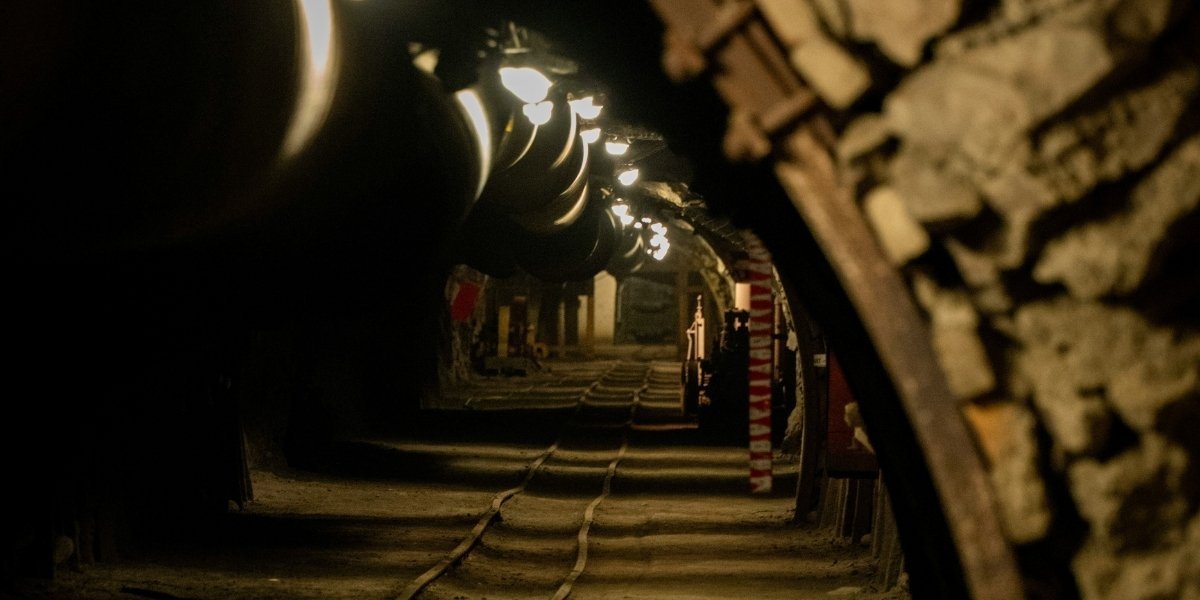
Interest in Solvang’s underground tunnels has grown after a local historian documented portions of the hidden network beneath the California town. The exploration has renewed public attention on the verified passageways while the original purpose of many of the tunnels remains undocumented.
Key Takeaways
- A local historian has documented sections of Solvang’s underground tunnel network.
- Verified tunnels remain beneath several properties in downtown Solvang.
- The original purpose of many passageways has not been confirmed through historical records.
- Underground spaces include sealed corridors, storage areas, and former commercial rooms.
- Local interest continues as research into the tunnels’ history progresses.
The Solvang underground tunnels are receiving renewed public attention after a local historian documented portions of the underground network beneath the Santa Barbara County community. The research has brought greater visibility to verified tunnel sections that remain beneath several downtown properties, while the original purpose of many passageways continues to lack definitive historical documentation.
The renewed interest centers on the work of Wes Leslie, a local historian and tour operator who has spent several years exploring accessible underground spaces connected to buildings in downtown Solvang. His documentation has focused on existing tunnels, sealed passageways, and underground rooms that remain beneath parts of the Danish-inspired town on California’s Central Coast.
Although the tunnels have long been discussed by residents and visitors, confirmed historical records explaining why much of the network was built have not been identified. The combination of verified underground structures and unanswered historical questions has renewed attention on one of Solvang’s lesser-known features. Solvang’s Danish heritage also reflects the state’s broader cultural story, similar to the traditions explored in California’s diverse food heritage.
Solvang Underground Tunnels Draw Renewed Public Interest
The recent documentation has directed new attention toward underground areas that remain beneath several commercial properties in downtown Solvang. While some sections have been altered or sealed over time, portions of the network continue to exist and can be observed from within certain buildings.
Leslie’s research has centered on documenting physical evidence that still remains rather than attempting to confirm long-standing local stories. His work has included visits to accessible underground areas connected to existing properties and conversations with longtime residents familiar with the town’s history.
The renewed attention has encouraged broader interest in Solvang history by focusing on features that are rarely visible from street level. Visitors typically associate the town with its Danish-style architecture, bakeries, wineries, and shopping district, while the underground network remains largely unknown to the public.
No official historical record has established a single purpose for the network, leaving researchers to distinguish between verified structures and community folklore.
Local Historian Documents Verified Underground Spaces
Underground Areas Beneath Wine Valley Inn
Among the locations documented is the underground area beneath the Wine Valley Inn, where an extensive network of rooms and passageways remains intact. The accessible sections include corridors, multiple interconnected rooms, stairways, and spaces that extend beyond what is visible from the property’s public areas.
During his exploration, Leslie documented what appears to be a former underground retail space. The area includes features commonly associated with a commercial storefront, including dressing rooms and a cashier counter. The purpose and operating period of the space have not been confirmed through available historical records.
The discovery has added another documented element to the broader underground network beneath Solvang. Rather than representing isolated storage rooms, the underground areas include multiple connected spaces that indicate more extensive use at some point in the town’s past.
Leslie has stated that he continues researching available records and speaking with local residents in an effort to better understand the underground structures. His work has focused on documenting existing features without presenting unverified explanations as fact.
Reported Tunnel Features Across Downtown
Other downtown properties have also been associated with underground passageways.
Locations frequently connected to discussions about the tunnel network include Alisal Cellars and nearby hotel properties. In some buildings, sealed doors and blocked passageways remain visible, although access between separate tunnel sections has often been removed through later renovations.
The remaining underground areas vary in condition, with some spaces preserved while others have been closed or modified over time. Existing evidence confirms that multiple underground structures remain beneath parts of downtown, even though the overall extent of the network cannot be fully verified. California’s hidden landmarks have often inspired local folklore, much like the historical accounts examined in California cults and communities.
Historical Records Leave Tunnel Origins Unresolved
Despite continued public interest, researchers have not identified documentation that conclusively explains why much of the tunnel network was originally constructed.
Several local stories have circulated for decades suggesting the tunnels may have been connected to Prohibition-era alcohol transportation or other clandestine activities. Additional folklore has linked certain underground areas to brothels or hidden commercial operations.
Those accounts remain unverified.
No publicly available historical documentation has confirmed those reported uses, and researchers continue to distinguish documented physical structures from oral history and local tradition.
The absence of definitive records has become a defining feature of the story itself. While the tunnels are real and portions remain accessible, their original function has not been established through historical evidence.
This distinction has shaped ongoing research by emphasizing documentation rather than speculation. Solvang’s layered history also reflects California’s diverse cultural foundations, including the lasting influence discussed in Native communities’ cultural legacy.
Downtown Properties Preserve Portions of the Tunnel Network
Several existing buildings continue to preserve sections of the underground network beneath downtown Solvang.
Some accessible areas contain interconnected rooms, storage spaces, stairways, and corridors that indicate the underground structures once served a broader purpose than isolated basements. Other sections terminate at sealed walls or blocked entrances, reflecting changes made as buildings were renovated or repurposed.
The underground areas differ in layout depending on the property, and no confirmed map documenting every remaining passageway has been released.
The documented structures nevertheless provide physical evidence that underground construction formed part of earlier development beneath portions of the town.
The preserved spaces have become a point of local historical interest because they offer tangible evidence of an overlooked aspect of Solvang history while leaving significant questions unanswered.
Continued Research Supports Local Heritage Preservation
Leslie has continued documenting accessible underground areas as part of his broader efforts to record lesser-known aspects of Solvang’s local history.
His research combines site visits with conversations involving longtime residents and reviews of available historical materials. The work aims to identify verifiable information while acknowledging where documentation remains incomplete.
The renewed attention surrounding the tunnels has also reinforced interest in preserving local historical knowledge. Existing underground structures provide an opportunity to document architectural features that may otherwise receive little public recognition.
Researchers continue examining available evidence to determine whether additional historical records can clarify the development of the underground spaces. Until further documentation is identified, the verified tunnel network remains an established part of Solvang’s built environment, while many details surrounding its original purpose remain unresolved.
Frequently Asked Questions
Where are the Solvang underground tunnels located?
Verified sections of the tunnel network are located beneath several properties in downtown Solvang, including underground areas connected to the Wine Valley Inn and other commercial buildings.
Who is researching the Solvang underground tunnels?
Local historian and tour operator Wes Leslie has spent several years documenting accessible portions of the underground network and researching its history.
Are Solvang’s underground tunnels open to the public?
The tunnel network is not generally open for public exploration. Some underground areas exist beneath privately owned buildings with restricted access.
What is known about the origins of the Solvang tunnels?
Historical records have not conclusively established why much of the underground network was built. Several local stories exist, but their claims remain unverified.
Which buildings are associated with the underground tunnel network?
Documented underground spaces have been associated with the Wine Valley Inn, Alisal Cellars, and several nearby downtown properties where portions of the tunnel system continue to exist.