
By: KeyCrew Media
Most California buyers relocating to Tucson know it costs less. They do not know that the gap is large enough to reshape retirement entirely, or that the savings extend well beyond the price of the home itself.
According to Tony Ray Baker, a Real Estate Professional with See Tucson Homes who has worked in relocation for over 30 years, buyers from California consistently underestimate what their equity will purchase. They arrive expecting compromises and instead find themselves upgrading in nearly every measurable dimension.
“The actual cost of moving to Tucson from California, you’d probably save 30 to 35 percent,” Tony Ray says. “That’s a big number.”
The Entry-Level Gap
Tony Ray describes the comparison in concrete terms. In California’s major metros, entry-level homes are typically priced around one million dollars, approximately 1,400 square feet, a two- to three-bedroom, one- to two-bathroom bungalow with street parking and no views. That same million dollars in Tucson, where he says entry-level homes begin around $400,000, produces a fundamentally different property.
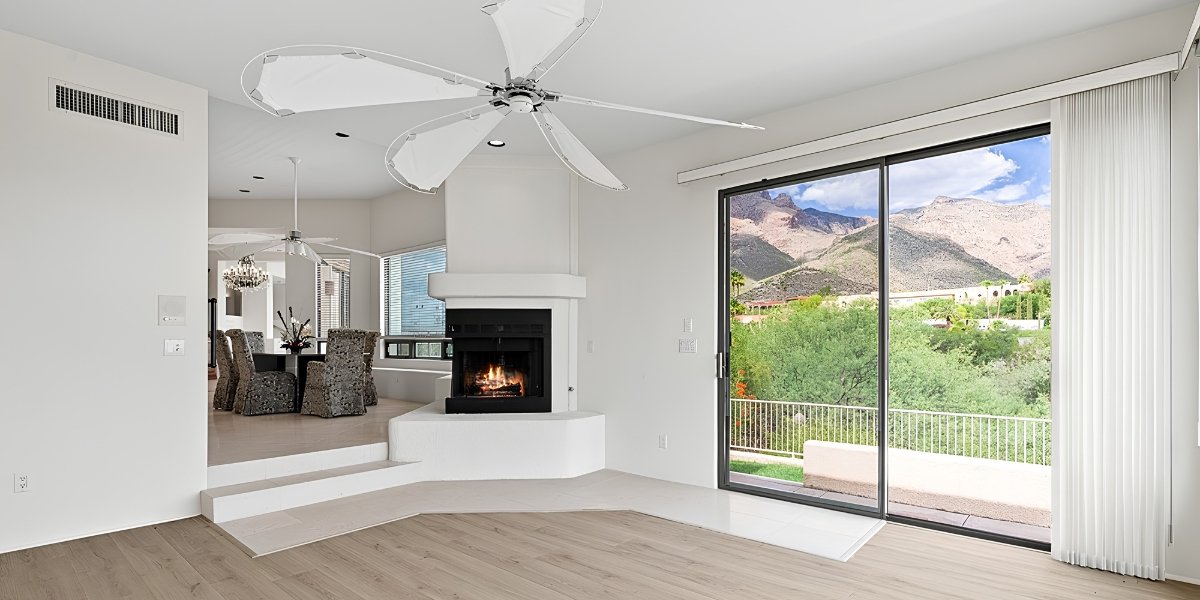
“That million dollars coming in from California would actually get you probably not 1,400 square feet, but a three to four-thousand-square-foot home,” Tony Ray adds. “You’ll probably get four to five bedrooms, three baths, maybe even four baths, and you might even get a casita.”
A household selling a million-dollar California home and reinvesting in Tucson is not trading down in cost; it is trading up in space, amenities, and views. Tony Ray says this realization consistently surprises clients who arrive expecting to spend their full budget.
“A lot of times people retiring from California will sell a million-dollar house there and then come here and live like kings and queens,” Tony Ray says.
Where the 30–35% Savings Come From
The housing price gap is only one component of the broader cost-of-living advantage. Labor costs in Tucson are substantially lower than in California, which reduces the price of every service a household regularly purchases, such as landscaping, house cleaning, restaurant meals, contractors, and routine professional services. Because minimum wage and prevailing wages are lower, consumer prices for labor-intensive services fall proportionally.
Tax policy adds another layer, particularly for retirees. Arizona does not tax Social Security income, does not apply sales tax to groceries, and does not tax prescription medications. For a retired couple living on investment income and Social Security, these exemptions compound over time.
Insurance costs present a further savings category that Tony Ray says buyers consistently overlook. Because Arizona does not face the hurricane, wildfire, and flood exposure that drives premiums in coastal and fire-prone markets, both homeowners’ and vehicle insurance cost substantially less. He notes that he pays $1,800 annually to insure three vehicles valued at approximately $250,000 combined , coverage that he estimates would cost four to five thousand dollars in California.
For buyers weighing relocation, the cumulative effect of lower housing costs, lower labor prices, tax exemptions, and reduced insurance premiums is what produces the 30 to 35 percent difference Tony Ray describes , not any single line item.
What This Means for Buyers Timing Their Move
Tony Ray’s position on market timing is direct. Tucson home values have historically appreciated at four to six percent annually, he says, which means buyers who delay expecting prices to soften are likely to find the gap has widened rather than narrowed. The cost-of-living advantage is structural , rooted in wage levels, tax policy, and insurance risk profiles unlikely to converge with California’s in the near term.
Tony Ray says California and Washington buyers frequently arrive thinking they need two million dollars and discover they need closer to one million, freeing the remaining capital for investment or the lifestyle they relocated to access.
“You’re gonna be surprised anyway because the cost of living here is so much lower than in so many cities that that rate isn’t going to be in effect costing you as much as you think,” says Tony Ray.
The caveat is that Tucson’s four to six percent annual appreciation, by Tony Ray’s account, means the entry point rises each year. Buyers who wait for lower mortgage rates may find that price appreciation has consumed whatever monthly payment savings a rate drop would have provided. For households with California equity ready to deploy, the math currently favors acting on the structural cost gap rather than waiting for cyclical rate improvements that may not materialize.
About Tony Ray Baker: Tony Ray Baker is the owner and Team Leader at REMAX Fine Properties in Tucson, Arizona, operating through SeeTucsonHomes.com. With over 30 years of residential real estate experience, Baker and his team serve buyers and sellers across Tucson, Oro Valley, Marana, Sahuarita, Vail, Catalina, and Green Valley.
Disclaimer: This article is based on information provided by the expert source cited above. It is intended for general informational purposes only and does not constitute legal, financial, or real estate advice. Readers should conduct their own research and consult qualified professionals before making any real estate or financial decisions.