

California lawmakers are advancing Assembly Bill 1883, a proposal that would restrict employers from using certain AI workplace surveillance tools to collect neural data or infer workers’ emotional states. As of August 11, 2026, the bill is on the Senate Appropriations suspense file, placing workplace privacy, neurotechnology and AI oversight in the same policy debate.
Key Takeaways
- Assembly Bill 1883 passed the California Assembly on May 27, 2026, by a 52-12 vote before moving to the Senate.
- The Senate amended the bill on July 2 and the measure was placed on the Senate Appropriations suspense file on August 3.
- AB 1883 would restrict employers from using certain AI workplace surveillance tools capable of collecting neural data or recognizing or making predictions about emotional states.
- The proposal would allow enforcement by the Labor Commissioner, public prosecutors and affected workers, with penalties of up to $500 for each violation.
- California already classifies neural data as sensitive personal information under its consumer privacy framework.
California’s neurotech bill has moved beyond the Assembly as lawmakers consider how emerging workplace surveillance technology should be regulated when it can collect information directly from the nervous system.
Assembly Bill 1883, introduced by Assemblymember Isaac Bryan on February 12, would establish restrictions on certain employer uses of artificial intelligence workplace surveillance tools. The proposal focuses specifically on systems capable of collecting neural data or recognizing, inferring or predicting an individual’s emotional state.
The Assembly approved the measure on May 27 with 52 votes in favor and 12 against. After moving to the Senate, the bill cleared two policy committees before being amended on July 2 and referred to the Senate Appropriations Committee. It was placed on the committee’s suspense file on August 3.
That progression makes the legislation relevant not only to employers, but also to companies developing workplace AI systems, privacy professionals and California’s growing neurotechnology sector.
Proposed Restrictions Focus on AI and Neural Data
AB 1883 does not propose a general ban on employee monitoring.
Instead, the latest bill language focuses on workplace surveillance tools that use artificial intelligence and are capable of either recognizing or making inferences or predictions about an individual’s emotional state or collecting neural data.
The measure defines neural data as information generated by measuring activity in a worker’s central or peripheral nervous system when that information is not inferred from nonneural information.
Its definition of a workplace surveillance tool is broader. It includes systems, applications, instruments or devices that collect or facilitate the collection of worker data, activities, communications, actions, biometrics or behaviors through means other than direct human observation.
The distinction matters because the legislation regulates particular capabilities and uses rather than declaring every form of workplace monitoring unlawful.
The bill also includes provisions addressing safety-related uses. Separate exemptions apply to qualifying uses connected to aircraft development and products or services involving national security, military, space or defense purposes when the statutory conditions are met.
Enforcement Could Reach $500 Per Violation
AB 1883 would give the Labor Commissioner responsibility for enforcing the proposed workplace surveillance requirements.
The measure would also allow public prosecutors to enforce its provisions. A worker, or the worker’s exclusive representative, who suffers a violation could bring a civil action seeking damages caused by that violation.
Courts could grant applicable temporary or preliminary relief, while the bill also provides for reasonable attorney’s fees and costs in covered actions.
Employers found to have violated the proposed requirements could face penalties of up to $500 for each violation.
The enforcement structure therefore goes beyond administrative oversight. It provides multiple potential routes for addressing alleged violations if the legislation becomes law.
The measure would also apply broadly across public and private employment. Its definition of employer includes businesses, labor contractors, state and local governmental entities, charter cities, the University of California, California State University, community college districts and school districts.
California Privacy Law Already Covers Neural Data
The workplace proposal would not be California’s first law addressing neural information.
Senate Bill 1223 was signed into law in September 2024 and added neural data to the definition of sensitive personal information under the California Consumer Privacy Act. The law defines neural data as information generated by measuring activity in a consumer’s central or peripheral nervous system that is not inferred from nonneural information.
AB 1883 would address a different setting. Rather than changing the consumer privacy definition, it would create employment-specific restrictions governing certain workplace surveillance tools.
The distinction reflects California’s broader effort to address data generated by connected and increasingly sophisticated technology. Similar concerns have emerged around connected technology privacy rules in other industries, where regulators and businesses are confronting questions about how digitally generated information can be collected and used.
For employers, that means different legal frameworks may apply depending on the organization, the information being collected and how a particular system is being used.
Automated Decision Rules Add Another Compliance Layer
California’s privacy regulator has also completed rules governing certain uses of automated decisionmaking technology, or ADMT.
The California Privacy Protection Agency adopted the regulations in July 2025, and the Office of Administrative Law approved them in September 2025. Among other provisions, the framework gives consumers rights related to qualifying uses of automated decisionmaking technology for significant decisions.
The agency states that businesses must comply with the ADMT-specific requirements beginning January 1, 2027. Those requirements can apply to significant decisions involving areas such as employment, housing, financial services, education and healthcare.
Those regulations and AB 1883 operate through different legal mechanisms. The existing privacy framework governs qualifying businesses and personal information, while AB 1883 would add restrictions under the Labor Code specifically targeting certain employer uses of AI workplace surveillance.
Workplace Use Matters More Than Technology Development
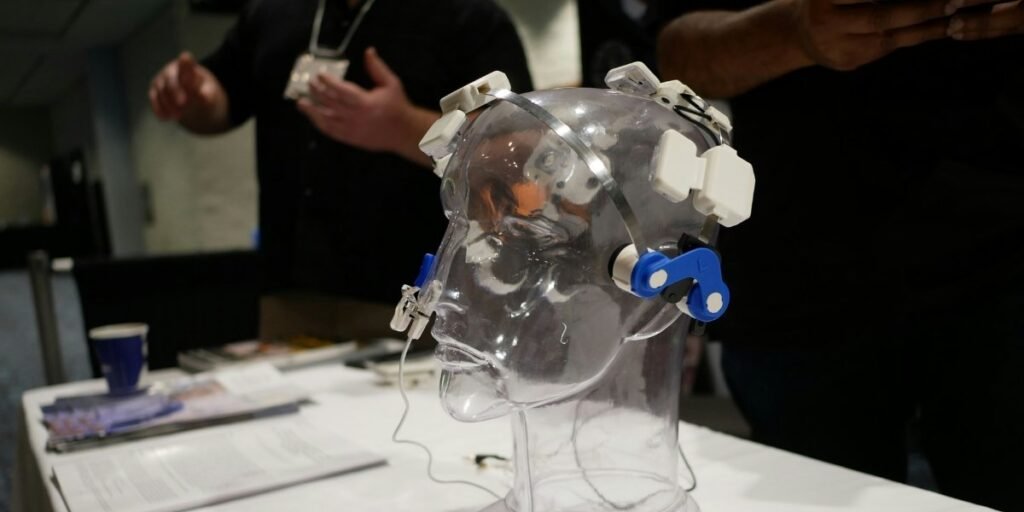
AB 1883 is particularly relevant to California’s neurotechnology sector because companies are developing devices and interfaces capable of measuring or interacting with neural activity.
The legislation, however, is directed at workplace use rather than neurotechnology development itself.
A company would not become subject to the proposed restrictions merely because it develops a brain-sensing device or neural interface. The relevant issue under AB 1883 is whether an employer uses a qualifying AI workplace surveillance tool on workers in a manner covered by the legislation.
That distinction separates product development from employment deployment.
For businesses considering new workplace technologies, the capabilities of the system may therefore become as important as its intended function. Employers would need to understand whether a tool collects neural information, analyzes emotional states or falls within one of the bill’s exceptions if the measure becomes law.
AB 1883 Joins a Broader Workplace AI Debate
AI tools are already being used for administrative work, customer service, software development and other business functions. That broader California workplace AI adoption provides context for why lawmakers are increasingly distinguishing routine AI applications from systems capable of collecting particularly sensitive information.
AB 1883 takes a narrower approach than a general workplace AI law. Its latest language concentrates on systems capable of emotional-state analysis or neural-data collection.
That focus places the legislation at the intersection of employment law, artificial intelligence and privacy policy. It also raises a practical question for employers about how emerging technology should be evaluated before it enters the workplace.
The issue is not simply whether a system uses AI. Under the proposed language, what the technology measures and what it can infer are central to whether the restrictions would apply.
The Next Legislative Step
AB 1883 remains proposed legislation and has not become California law.
As of August 11, 2026, the measure is active in the Senate Appropriations Committee. The Legislature’s official status page lists the bill on the committee’s suspense file and shows a hearing date of August 13.
Further legislative action could still change the bill’s language, enforcement provisions or ultimate outcome.
For California employers and technology developers, the California neurotech bill is therefore best viewed as an active proposal within a broader regulatory framework that already includes protections for neural data and automated decisionmaking systems.
Frequently Asked Questions
What Is the California Neurotech Bill?
The California neurotech bill refers to Assembly Bill 1883, legislation introduced by Assemblymember Isaac Bryan that would regulate certain employer uses of AI workplace surveillance. Its latest language focuses on tools capable of collecting neural data or recognizing, inferring or predicting emotional states.
What Workplace Brain Data Would AB 1883 Cover?
AB 1883 defines neural data as information generated by measuring activity in a worker’s central or peripheral nervous system when that information is not inferred from nonneural information. The definition determines what type of nervous-system information would fall within the proposed restrictions.
Would AB 1883 Ban All Workplace Surveillance?
No. The measure targets specified AI workplace surveillance capabilities rather than prohibiting every type of employee monitoring. Its latest language focuses on emotional-state recognition or prediction and neural-data collection, with certain exceptions.
What Penalties Could Employers Face?
An employer violating the proposed requirements could be subject to a penalty of up to $500 for each violation. The legislation would also allow enforcement through the Labor Commissioner, public prosecutors and qualifying civil actions brought by affected workers or their representatives.
Does California Already Protect Neural Data?
Yes. California law already includes a consumer’s neural data within the definition of sensitive personal information under the California Consumer Privacy Act. AB 1883 would add a separate workplace-focused framework if it completes the legislative process and becomes law.