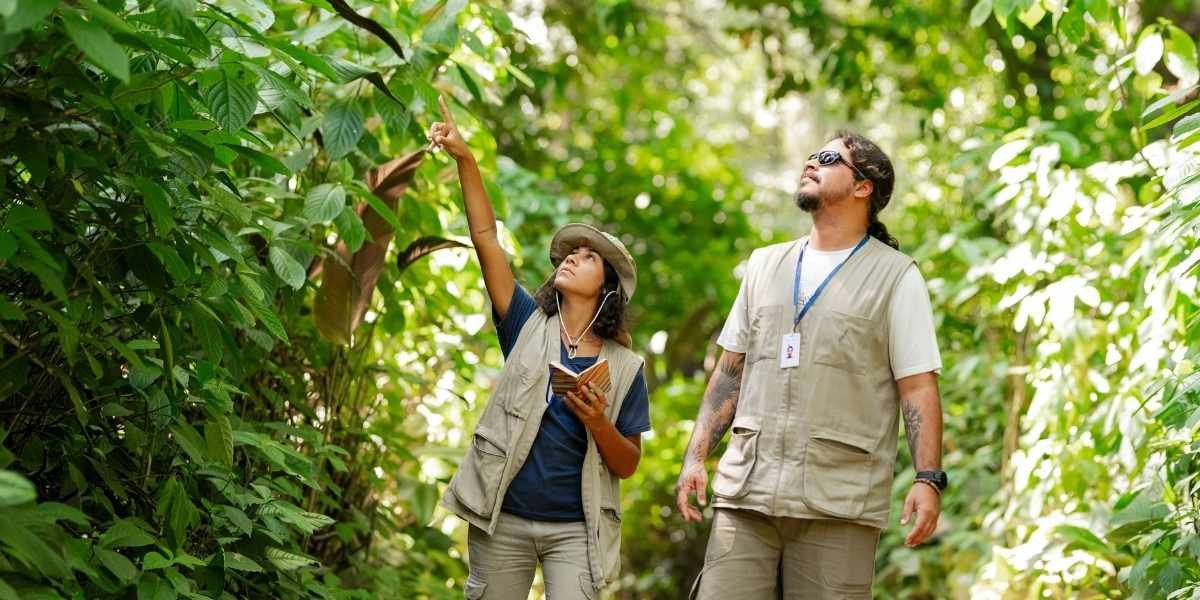

California has officially launched one of the most ambitious initiatives to promote tribal stewardship of public lands, opening up 7.5 million acres of public land for tribal management. The policy is designed to foster collaboration between state agencies and Indigenous tribes, bringing traditional ecological practices into the fold of modern land management. This reform signals a shift in how the state approaches its environmental future, integrating Indigenous knowledge and leadership in the stewardship of forests, rivers, and conservation areas.
This decision is widely regarded as a critical step in restoring balance to the state’s ecosystems and offering tribes a central role in preserving and enhancing California’s environmental resources. For decades, tribes have advocated for stewardship rights, making this a historic moment in the ongoing struggle for Indigenous land rights.
Historic Policy Reform with Statewide Impact
California’s new policy is a monumental step forward in recognizing the value of Indigenous practices for environmental management. The 7.5 million acres—comprising state-owned forests, rivers, and conservation areas—are now eligible for tribal stewardship. This change, while a significant departure from past land management policies, aims to repair centuries of historical inequities that tribes have faced in land access and environmental governance.
The policy grants tribes the ability to co-manage public lands, integrating traditional ecological practices like controlled burns, habitat restoration, and biodiversity protection. These techniques, honed over centuries, have long been recognized by Indigenous communities as effective methods for maintaining ecological balance. California officials emphasize that this new partnership is an effort to strengthen the state’s resilience in the face of climate change, by incorporating culturally grounded practices that have been proven to maintain ecological balance.
By formalizing the role of tribes in land management, this policy builds a collaborative governance framework that acknowledges the value of Indigenous knowledge in addressing environmental challenges.
Restoring Ancestral Lands and Cultural Ties
A key aspect of this policy is the restoration of tribal access to lands that hold deep cultural and spiritual significance. Many tribes across California were denied access to their ancestral territories for generations, starting with the unratified treaties of the 1850s that promised vast swathes of land but were never honored. This initiative addresses those historical wrongs by returning land stewardship responsibilities to the tribes that have traditionally managed these areas.
Tribal leaders have long called for the right to engage in stewardship, with an emphasis on using traditional ecological knowledge. For tribes, this policy isn’t just about land management—it’s a chance to reconnect with their history and traditions, and to engage in practices that help revitalize their cultures.
California’s decision to engage tribes as stewards of these lands underscores the importance of allowing tribes to restore their cultural ties to the land. This is not only about ecological benefits but about healing the deep scars left by centuries of land dispossession.
Collaborative Governance for Better Land Management
This policy positions tribes as collaborative partners in California’s future land management strategy. The framework encourages joint decision-making, with tribes providing invaluable input into conservation efforts, such as fire management and species protection. Tribal governance models are seen as inherently sustainable, with practices built on centuries of experience with land, water, and wildlife management.
Beyond the immediate ecological benefits, this partnership creates a more inclusive approach to environmental policy. By combining Indigenous practices with state and federal expertise, California aims to set a new precedent for how public lands are managed nationwide, integrating cultural preservation and environmental sustainability.
The initiative also offers tribes the ability to lead efforts in managing wildfire risks, an increasingly urgent issue in California due to climate change. Experts have long pointed to Indigenous fire management practices, such as controlled burns, as a key method for reducing the risk of catastrophic wildfires.
Economic Opportunities Through Tribal Stewardship
The policy also creates economic opportunities for tribes, fostering sustainable jobs in areas like habitat restoration, fire management, and ecological research. These positions are designed not only to bolster local economies but also to ensure that tribes are leading these efforts on their own terms.
The long-term economic impact of this policy could be significant. By involving tribes in land management, California has created a pathway for tribal communities to develop their own capacity for sustainable resource management. This provides an avenue for economic development through conservation and land-based enterprises.
Furthermore, cultural tourism—such as eco-tourism and educational programs about traditional ecological practices—is expected to grow. This presents opportunities for tribes to develop revenue streams while educating the public on the significance of their cultural and ecological knowledge. These opportunities also serve to bridge the gap between Indigenous and non-Indigenous communities, fostering greater understanding and appreciation of tribal history and traditions.
National Implications for Tribal Land Management
California’s bold policy is likely to have national implications, with several other states already observing the initiative’s progress. The move could serve as a model for how Indigenous tribes can work with state and federal agencies to manage public lands. As California blazes a trail for tribal stewardship, other states may follow suit, adopting similar models of collaboration and land return initiatives that benefit both tribal communities and the environment.
This shift could fundamentally reshape how public lands are governed in the U.S., with more states acknowledging the critical role that Indigenous stewardship has in sustaining natural ecosystems. The implementation of this policy sets a powerful precedent for more states to incorporate tribal voices into their land management frameworks, offering a chance for more equitable and sustainable land practices across the country.