
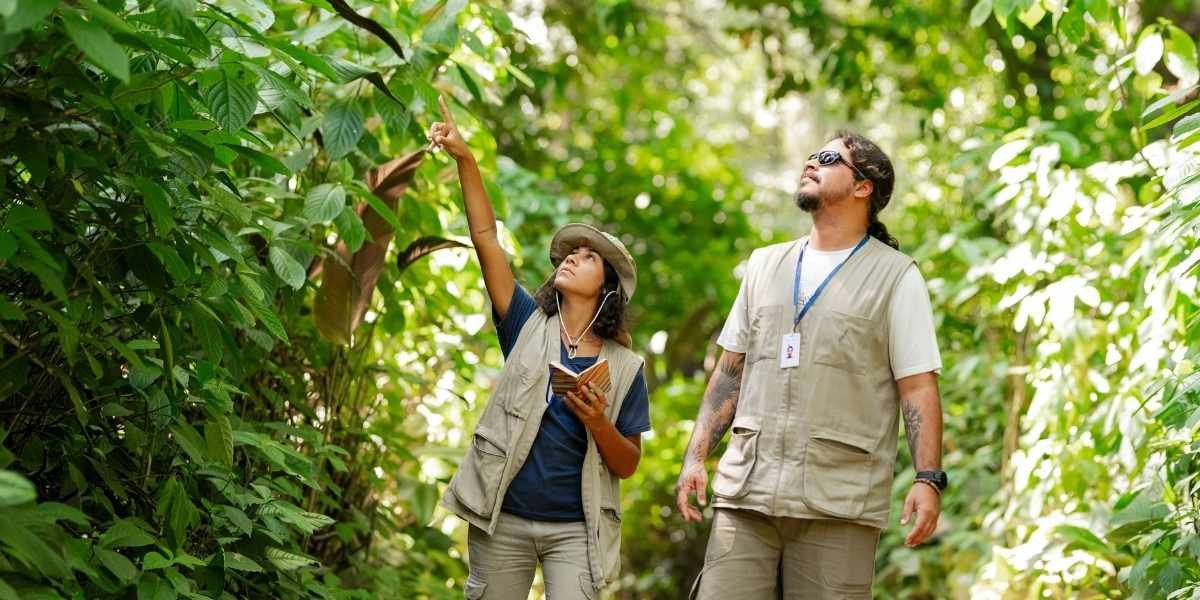
The U.S. Forest Service is undergoing a significant reorganization, closing six long-standing research facilities in California as part of a broader strategy to streamline operations and enhance research efficiency. This restructuring, aimed at consolidating resources, reflects a shift from decentralized field sites to centralized hubs for managing California’s vast and diverse ecosystems.
The closures, which will impact facilities in key areas like Anderson, Fresno, Chico, and Mount Shasta, represent the Forest Service’s effort to create a more integrated and modernized research environment. The move is also a response to increasing operational costs and the need for a more efficient use of taxpayer resources as the agency adapts to evolving environmental challenges.
Consolidation Efforts Focus on Operational Efficiency
One of the primary drivers of the restructuring is a detailed evaluation of the Forest Service’s real estate portfolio. Maintaining remote research stations in high-altitude or coastal areas has proven costly, requiring significant resources to support infrastructure and ensure safety in fire-prone zones.
To address these challenges, the Forest Service is shifting its focus toward centralizing operations in a select number of locations. This consolidation aims to improve efficiency, redirecting funding away from maintaining aging facilities and into more pressing priorities like wildfire mitigation and land restoration efforts. By consolidating personnel, the Forest Service seeks to optimize the allocation of resources while still maintaining a robust scientific workforce.
Impact on California’s Forest Management and Research Focus
The six California research stations being closed have long played a crucial role in tracking the state’s complex environmental conditions. These facilities were tasked with studying issues like drought impacts, pest infestations, and timber health — challenges that are increasingly relevant as climate change accelerates. The shift to central hubs will consolidate specialized teams, such as hydrologists, entomologists, and fire behavior experts, allowing for a more integrated approach to research and resource management.
Despite the closures, the Forest Service insists that the restructuring will not reduce its scientific capacity. Instead, the agency plans to enhance its research capabilities by centralizing resources at primary hubs and incorporating advanced technologies for remote data collection. This centralized model aims to improve the speed and accuracy of scientific data dissemination, ensuring that land managers receive up-to-date information, especially during active wildfire seasons.
Technological Advances to Ensure Continued Research
As part of the restructuring, the Forest Service is investing in advanced technologies to support ongoing data collection and environmental monitoring. Remote sensing, satellite telemetry, and automated weather stations will play a critical role in maintaining the flow of information from field sites, even as physical facilities are decommissioned.
While many of the affected research stations have amassed decades of valuable data, including soil samples, tree rings, and climate records specific to California’s unique microclimates, the Forest Service is committed to preserving these records. The agency has initiated a task force dedicated to digitizing historical data and ensuring that physical samples are transferred to climate-controlled storage, preserving them for future scientific analysis.
Shifting Workforce Dynamics and Future Collaborative Models
The workforce realignment accompanying the closures will see many scientists and researchers relocated to the new central hubs. These changes are designed to promote closer collaboration between federal researchers, state universities, and private organizations, fostering new partnerships and improving the flow of information across research communities.
Instead of being based at static field sites, researchers will adopt a more flexible model, using a “strike team” approach. This strategy enables specialized teams to deploy to specific locations for targeted research efforts, such as studying invasive species outbreaks or assessing post-fire damage. This approach promises greater responsiveness to emerging environmental threats, aligning the Forest Service’s research efforts with real-time ecological needs.
Long-Term Effects on Wildfire Strategy and Land Management
The restructuring comes at a critical time as California faces an increasing frequency of high-intensity wildfires. The Forest Service maintains that by concentrating resources into fewer, high-capacity locations, it will enhance its ability to respond to wildfire threats. Data-driven models, such as the National Fire Danger Rating System, are expected to benefit from the improved infrastructure, allowing for faster updates and more accurate predictions for emergency responders.
However, the shift to a centralized model has raised concerns among some local stakeholders, who fear that the loss of field stations could hinder efforts to understand regional and microclimate variations that play a significant role in fire behavior and forest health. As California’s forest management strategies evolve, it remains to be seen whether this new approach will fully address the complexities of managing one of the world’s most fire-prone landscapes.
California Research Stations: A New Era of Scientific Integration
As the U.S. Forest Service consolidates its research infrastructure in California, the long-standing model of decentralized field stations is giving way to a more integrated and technologically advanced approach. By concentrating resources into fewer hubs, the agency aims to optimize its scientific output, enhance wildfire management efforts, and maintain a responsive workforce capable of addressing emerging environmental challenges.
While the closures of research stations may reshape how scientific data is gathered and analyzed in California, the Forest Service is committed to ensuring that these changes will ultimately strengthen its capacity to manage the state’s diverse ecosystems and respond to the growing threats posed by climate change.