
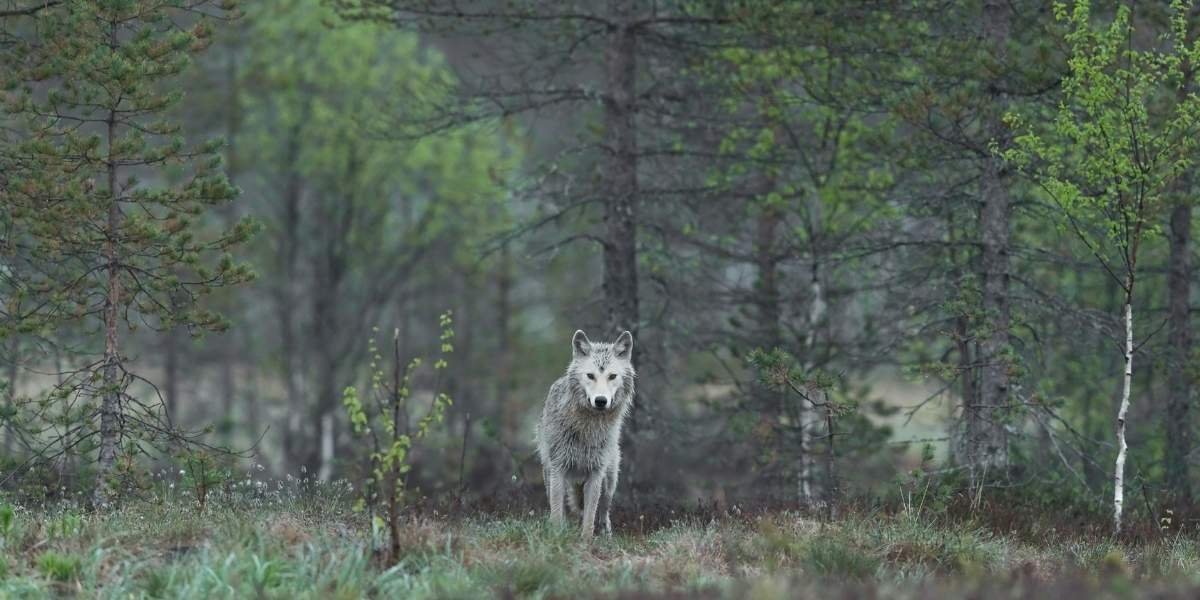
California Wolves are at the center of a growing ranching concern after a new study found cattle appeared heavily in wolf diet samples, while state records showed a sharp rise in confirmed or probable livestock losses tied to wolves.
Key Takeaways
- A July 8, 2026 PLOS One study found cattle DNA in 72% of wolf scat samples from the Lassen and Harvey packs.
- The study estimated cattle made up an average of 55% of the diet by biomass in the samples reviewed.
- California Department of Fish and Wildlife records show 267 wolf-livestock case reviews in 2025, up from 74 in 2024.
- CDFW reported 198 confirmed or probable livestock losses due to wolves in 2025, nearly all involving cattle.
- State compensation records show $354,795.47 paid in 2025 to 38 applicants for wolf-related livestock deaths and injuries.
California Wolves returned naturally to the state in 2011 after decades without a confirmed presence. The latest public research adds new detail to one of the most sensitive questions in that return: what wolves are eating in working cattle country.
A PLOS One study published July 8, 2026, examined gray wolf diet composition in California’s human-shaped landscape. Researchers reviewed scat samples from the Lassen and Harvey packs in northeastern California during the summers of 2022 and 2023.
The study found cattle occurred in 72% of 98 scat samples. Mule deer appeared in 45% of the same samples, while small mammals appeared in 51%. Using biomass estimates, the study reported cattle as the principal dietary component, accounting for an average of 55%. Mule deer accounted for 12%, while small mammals accounted for 15%.
The Lassen And Harvey Pack Data
The study focused on two packs, not every wolf in California. That distinction matters. The findings do not show that all wolves in the state rely on cattle at the same level. They do show that in the sampled areas, cattle appeared more frequently than wild ungulates in the diet data.
Researchers also noted an important limit. Scat analysis can detect what wolves consumed, but it does not always prove whether the animal was killed by wolves or scavenged after death. For ranchers, however, either scenario can still bring field checks, documentation, carcass handling and agency review.
Why Are Ranchers Focused On Cattle Losses?
California Wolves now occupy parts of the state where cattle operations cover large areas of private and public land. In northeastern counties, cattle may graze across open rangeland where producers cannot monitor every animal closely throughout the day.
CDFW’s 2025 annual report showed a clear rise in wolf-livestock case activity. The agency and its partners handled 267 case reviews in 2025, compared with 74 in 2024. Of those 2025 reviews, 175 were classified as confirmed or probable wolf depredations, totaling 198 livestock killed or injured by wolves.
Nearly all of those confirmed or probable losses involved cattle. CDFW reported that every confirmed or probable wolf depredation in 2025 involved cattle except one sheep loss.
Those numbers arrive as ranchers also face broader beef sector pressure tied to costs, market conditions, grazing access and processing capacity.
Official Case Reviews
CDFW reported that the Beyem Seyo pack accounted for 90 confirmed or probable livestock losses in 2025. The Harvey Pack followed with 38, and the Whaleback Pack followed with 25.
The state’s 2026 wolf-livestock report, updated April 13, 2026, showed 47 case reviews so far that year. The report listed 26 livestock confirmed or probably killed or injured by wolves. Siskiyou County had 13, Lassen County had 7, Plumas County had 3, Modoc County had 2 and Shasta County had 1.
By wolf group, Whaleback accounted for 14 confirmed or probable losses in the 2026 update. Harvey accounted for 4, Tunnison for 3, dispersing wolves for 3, Ashpan for 1 and Grizzly for 1.
How Is California Tracking Wolf-Livestock Conflict?
California Wolves are listed as endangered under both federal and state law. CDFW says it monitors wolf populations, works with affected communities and uses nonlethal conflict-reduction tools where practical.
The agency’s gray wolf page lists tools such as fladry, radio-activated guard devices and Foxlights. It also notes that CDFW works with agricultural and conservation groups and livestock producers to reduce the impact of wolf presence on livestock.
The issue sits within a wider California challenge: managing wildlife movement across landscapes shaped by roads, ranching, housing and public land. Similar questions appear in other wildlife conservation projects where animal movement and human infrastructure overlap.
CDFW’s wolf-livestock compensation program is one of the main tools available to producers after confirmed or probable losses. In 2025, CDFW paid $354,795.47 to 38 applicants in seven counties. The payments covered 115 livestock losses, according to the agency’s annual report.
CDFW also reported a major management step in 2025. Four wolves from the Beyem Seyo pack were removed due to chronic livestock depredation. The agency described it as the first lethal removal of wolves in California in recent history.
Frequently Asked Questions
Are California Wolves protected?
Yes. California Wolves are protected under the federal Endangered Species Act and the California Endangered Species Act, according to CDFW. Their legal status affects how state agencies, ranchers and other parties can respond to conflicts.
Did the study prove wolves killed every cow detected in the samples?
No. The study showed cattle were consumed, but scat data alone does not prove every cattle detection came from a wolf kill. Scavenging can also place cattle DNA in wolf scat.
How many wolves are in California?
CDFW reported a minimum count of 55 wolves as of December 31, 2025. That count included wolves in nine packs, four areas of wolf activity and multiple dispersing animals.
Which areas are most affected by recent livestock losses?
CDFW’s April 13, 2026 report listed Siskiyou and Lassen as the counties with the highest confirmed or probable livestock losses so far in 2026. Siskiyou had 13, while Lassen had 7.
Can ranchers receive compensation for wolf-related livestock losses?
Yes, livestock producers may apply when a loss is classified as confirmed or probable wolf depredation. CDFW reported paying $354,795.47 in 2025 through its wolf-livestock compensation program.