Gold rush history continues to shape the Inland Empire’s identity, even as modern mineral production in San Bernardino County remains part of California’s industrial landscape.
From the preserved wooden storefronts of Calico Ghost Town to the active rare earth operations at Mountain Pass, the region reflects two distinct chapters of mining history operating side by side.
Gold Rush Festival at Calico Keeps Frontier History Alive
Gold rush heritage remains central to California Days at Calico Ghost Town, held annually over Presidents’ Day weekend in San Bernardino County. The event features historical reenactments, mining demonstrations, blacksmith exhibits, and educational programming focused on the town’s silver boom origins.
Calico was founded in 1881 after the discovery of silver in the Calico Mountains. The town expanded rapidly during the mining surge before declining in the mid-1890s as silver prices fell. It was later restored and is now managed by San Bernardino County Regional Parks as a historical site and tourism destination.
Festival programming highlights life during the late 19th century, including staged gunfight reenactments and guided mine tours. Attendance during recent events has remained strong, reflecting sustained public interest in the region’s frontier past.
The preservation of Calico underscores how Gold rush history continues to influence regional tourism and cultural identity.
Gold Rush Legacy Contrasts With Rare Earth Mining at Mountain Pass
While Gold rush imagery defines Calico’s public presence, contemporary mineral production in San Bernardino County centers on rare earth elements rather than silver.
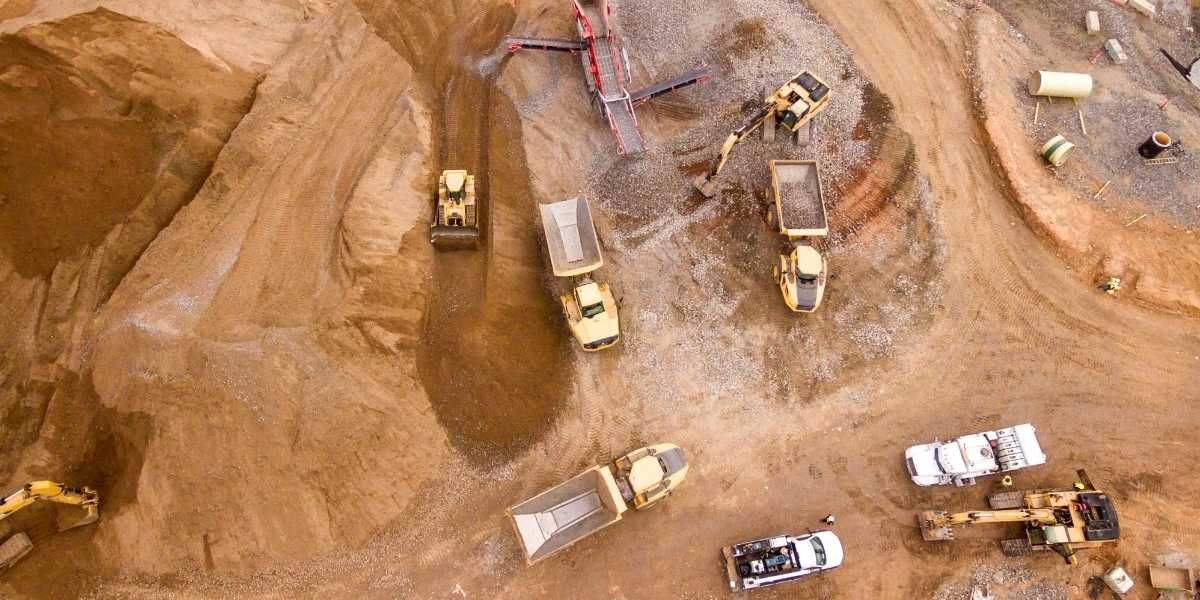
The Mountain Pass Mine, located in eastern San Bernardino County near the Nevada border, remains the primary rare earth mining operation in the United States. The facility produces rare earth concentrate used in manufacturing applications tied to electronics, renewable energy systems, and advanced technologies.
Mountain Pass has operated for decades with periods of suspension and reopening. Current operations include mining and processing activities conducted under state and federal environmental regulations. Federal agencies have identified rare earth materials as strategically significant due to their role in industrial supply chains.
There are no confirmed large-scale new silver mining projects underway in the Inland Empire comparable to the historic activity commemorated at Calico. Mining claims continue to exist across portions of the Mojave Desert, but most active production in the region is associated with rare earth materials and industrial minerals.
Economic Activity Linked to Critical Minerals Production
Gold rush mining once drove rapid settlement and commercial expansion in Southern California. Today, discussions surrounding mineral extraction focus on the role of critical materials in domestic manufacturing.
Rare earth elements extracted at Mountain Pass contribute to supply chains serving multiple sectors. Employment at the site supports economic activity in eastern San Bernardino County, though large-scale expansion proposals remain subject to regulatory review and market conditions.
Any future mining proposals within the Inland Empire would require compliance with state and federal oversight frameworks, including environmental review processes and permitting requirements.
Unlike the rapid and largely unregulated development of the 19th century, modern mining projects proceed through structured approval pathways involving multiple agencies.
Environmental Oversight Shapes Modern Mining in the Mojave Desert
Gold rush operations took place during a period with limited environmental regulation. In contrast, current extraction activities in San Bernardino County are governed by environmental laws designed to address land use, air quality, water resources, and habitat protection.
The Mojave Desert includes federally managed lands and protected ecosystems. Mining operations undergo environmental impact analysis and public review under applicable state and federal statutes.
Environmental groups continue to monitor mineral development proposals in the region, while agencies evaluate compliance with environmental standards before issuing permits.
The regulatory landscape illustrates how mining practices have evolved significantly since the Gold rush era.
Gold Rush Identity Endures as Industry Evolves
Gold rush history remains a defining cultural reference point for the Inland Empire, drawing visitors to Calico and reinforcing the region’s place in California’s mining narrative.
At the same time, established operations such as Mountain Pass demonstrate that mineral production remains part of the area’s present-day economic profile, though in a highly regulated and technologically advanced form.
The Inland Empire does not currently exhibit signs of a new mining boom comparable to the 19th-century rush. Instead, preserved heritage sites and modern industrial facilities represent distinct expressions of the region’s relationship with mineral resources.
Gold rush storytelling continues to inform tourism and public memory, while rare earth extraction reflects the structured industrial practices of contemporary resource development.
As heritage tourism remains steady and mineral production continues under regulatory oversight, the Inland Empire stands as a region where history and industry intersect without replicating the rapid expansion that once defined the Gold rush period.