
Southern California is experiencing an early heat wave this March, with temperatures climbing well above seasonal averages for this time of year. Meteorologists report that this surge in heat arrived weeks earlier than expected, surprising many residents across the region. Highs in inland areas, such as the valleys and desert regions, have already exceeded 90°F, while coastal areas have reached the upper 80s. This early heat wave is an unusual phenomenon that reflects the unpredictable nature of the region’s climate.
While warm weather is not uncommon in Southern California during spring, this heat wave is proving to be more intense than typical March warm-ups. For many, the temperatures have come as a shock, especially considering that much of the region is still adjusting to cooler weather, making this sudden surge feel even more extreme.
Record-Breaking Temperatures Across the Region
The heat wave has sent temperatures across Southern California soaring well beyond the average for mid-March, with some areas seeing highs in the low 90s, and a few pushing closer to triple digits. Cities like Los Angeles, Riverside, and San Diego have experienced temperatures that are noticeably higher than usual for this time of year. According to the National Weather Service, this early heat event is unusual for March, which typically sees more gradual warming as the region transitions into spring.
While the heat wave is not unprecedented, the intensity of these temperatures so early in the season has raised some concerns. Local officials and experts have cautioned residents to be mindful of the potential impacts on daily routines, including the strain it may place on the region’s infrastructure and services. Though this heat event is likely temporary, its sudden arrival has been a stark reminder of the variability of Southern California’s weather patterns.
Strain on Energy Systems and Increased Outdoor Activity
As temperatures have soared, Southern California’s energy systems have come under pressure. Utility providers have reported a noticeable increase in electricity usage as residents seek to cool their homes, contributing to higher demand for air conditioning and cooling systems. Although no significant power outages have been reported at this time, energy conservation efforts have been encouraged to ensure the stability of the power grid, particularly during peak usage hours.
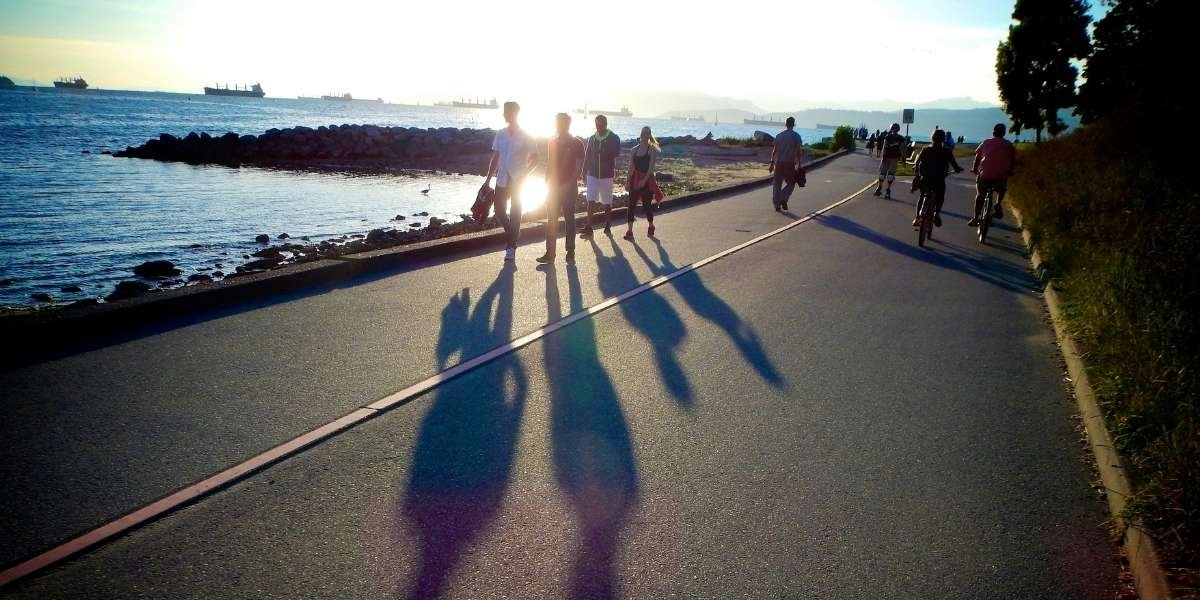
In addition to the increased demand on utilities, parks, beaches, and other outdoor spaces across the region have seen large crowds. Many residents have taken to the outdoors in search of relief from the heat, flocking to public parks, beaches, and other recreational areas. While the public’s desire to embrace the outdoors is natural during warm weather, health officials have reminded everyone to stay hydrated and avoid extended exposure to the sun, particularly during the hottest parts of the day.
Though the heat wave may bring some challenges, it has also sparked a surge in outdoor activities, with families and individuals taking advantage of the sunny weather. Many beaches in particular have seen an influx of visitors, while outdoor events and recreational activities have drawn significant attention, offering a temporary escape from the heat in public spaces.
Health Concerns and Safety Measures Amid Heat Wave
With the heat wave continuing, health officials have raised concerns about the risks associated with extreme temperatures. Hospitals across Southern California have reported a slight increase in cases of dehydration, heat exhaustion, and related health issues. Vulnerable populations, including children, seniors, and outdoor workers, are particularly at risk during such high heat. Public health agencies have issued warnings encouraging residents to stay aware of the signs of heat-related illnesses, including dizziness, nausea, and fatigue.
Though the uptick in heat-related illnesses is not yet severe, it is a reminder of the risks associated with extreme temperatures. Authorities have also advised residents to check on their neighbors, especially those who are more vulnerable, such as elderly individuals or people who live alone. In addition, emergency services have highlighted the importance of keeping hydrated and taking breaks in shaded or air-conditioned areas whenever possible.
Beyond heat-related illnesses, fire departments have raised alarms about the heightened risk of wildfires. The combination of dry conditions and high temperatures is creating favorable conditions for fires, particularly in areas with dense vegetation such as foothills and canyons. Local authorities have issued reminders to be cautious with outdoor activities, as even small sparks or discarded items could potentially lead to larger fire outbreaks in these areas.
Heat Wave to Continue into the Weekend
The current heat wave is expected to persist throughout the weekend, with high temperatures likely to continue in many parts of Southern California. Although there is some indication that temperatures will start to moderate next week, the current conditions are expected to remain above normal for several more days. This ongoing heat could place additional pressure on communities and infrastructure as the weekend approaches, especially as outdoor activities and energy consumption continue to rise.
Meteorologists note that while this heat wave will eventually subside, it is not uncommon for the region to experience temperature swings during the transition from winter to spring. Experts suggest that such events highlight the need for residents to be prepared for a range of weather conditions, especially as extreme weather events, such as early heat waves, are becoming more frequent in many regions across the country.
As temperatures remain elevated, authorities are encouraging Southern Californians to stay informed through local weather reports and take proper precautions. The heat wave is serving as an important reminder of the importance of preparedness during times of extreme weather, particularly for those who are more vulnerable to heat-related conditions.
Preparedness Remains Essential for Extreme Weather Events
Though this heat wave is expected to be relatively short-lived, it emphasizes the importance of being prepared for sudden and extreme weather events. Southern California residents are no strangers to fluctuating temperatures, but the early arrival of this heat wave has reminded many about the challenges posed by extreme conditions, especially when infrastructure is not fully prepared for such rapid temperature shifts.
Local authorities are actively working to ensure public safety during this period, from offering cooling centers for residents without air conditioning to issuing public health advisories for vulnerable populations. This heat wave also serves as a call to action for individuals to take steps to protect themselves, particularly those who are at higher risk for heat-related health issues.