By: Emma Pierce
When a California heat wave arrives, most homeowners focus on one thing: whether their air conditioner can keep up. As temperatures climb into the high 90s and beyond, cooling systems across the state begin working harder than at any other time of the year.
But what actually happens inside your AC during extreme heat? And why do so many systems seem to fail precisely when homeowners need them most?
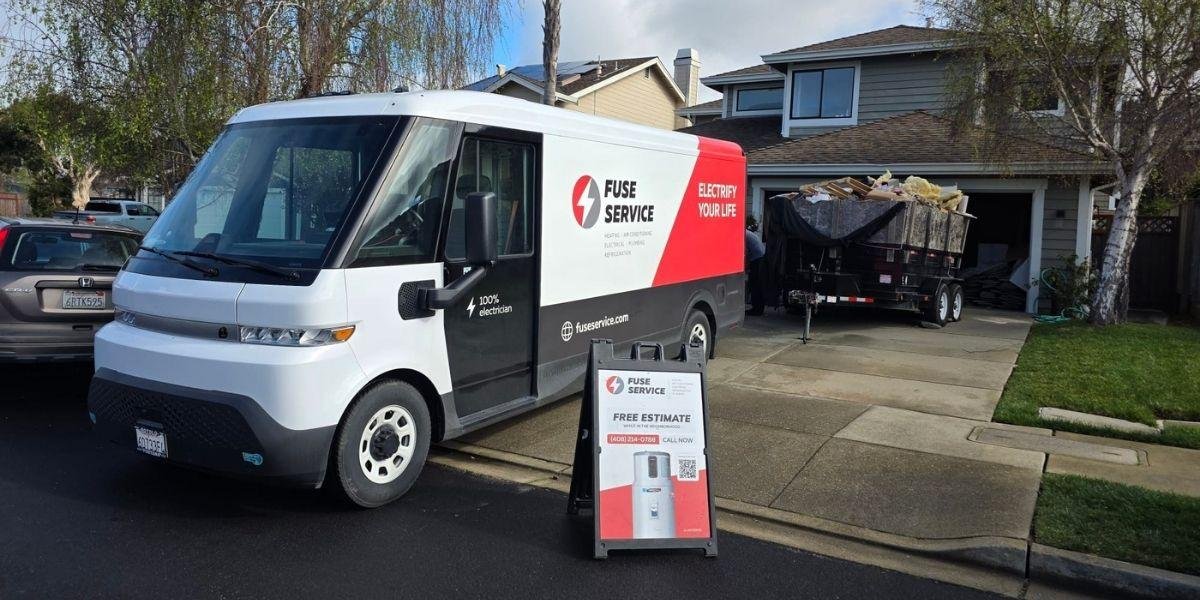
We spoke with an HVAC expert from Fuse Service to find out.
Why Does My AC Run All Day During a Heat Wave?
One of the most common concerns homeowners have is seeing their air conditioner run continuously for hours.
“In many cases, that’s completely normal,” explains the Fuse Service technician. “Your AC is designed to maintain a temperature difference between indoors and outdoors. When it’s 100 degrees outside, and you’re trying to keep your home at 72, that’s a significant workload.”
As outdoor temperatures rise, the system has to remove more heat from the home. During extreme weather, the unit may run almost nonstop just to maintain a comfortable indoor environment.
Why Can’t My Home Reach the Thermostat Setting?
Many homeowners become concerned when their thermostat is set to 72 degrees, but the house remains at 75 or 76.
“People often assume something is broken,” says the technician. “But during severe heat waves, even properly functioning systems can struggle to maintain the exact set temperature.”
Factors such as insulation quality, window exposure, attic temperatures, ductwork condition, and overall system sizing all influence cooling performance. Homes with poor insulation or significant sun exposure may experience greater temperature fluctuations during extreme weather.
Which Parts of the AC System Are Under the Most Stress?
While the entire system works harder during a heat wave, several components experience particularly high strain.
The compressor, often considered the heart of the air conditioner, must work continuously to move refrigerant through the system. Capacitors, motors, electrical connections, and condenser coils also experience increased demand.
“If a component is already weakening, extreme heat tends to expose the problem very quickly,” the technician explains.
This is one reason many homeowners experience sudden breakdowns during peak summer conditions.
What Emergency Calls Are Most Common During Heat Waves?
According to Fuse Service, several issues become especially common when temperatures soar:
- Failed capacitors
- Refrigerant leaks
- Frozen evaporator coils
- Clogged condensate drains
- Dirty air filters are restricting airflow
- Overheated electrical components
Many of these issues begin as minor maintenance concerns but become major problems once the system starts running continuously.
What Should Homeowners Do If Their AC Can’t Keep Up?
Before assuming the worst, there are a few simple things homeowners can check:
- Replace or inspect the air filter
- Verify the thermostat settings
- Ensure vents are open and unobstructed
- Close blinds and curtains during peak sunlight
- Avoid using heat-generating appliances during the hottest part of the day
However, if the system is blowing warm air, making unusual noises, or failing to cool at all, professional service may be necessary.
How Can Homeowners Prepare Before the Next Heat Wave?
The best defense against summer breakdowns is preventative maintenance.
Annual inspections help identify worn electrical components, airflow restrictions, refrigerant issues, and other developing problems before temperatures reach their peak.
“Most emergency repairs we see during heat waves could have been identified earlier,” says the Fuse Service technician. “The systems usually give warning signs before they fail.”
As California continues to experience longer and more intense periods of extreme heat, homeowners who prepare early often avoid the stress, discomfort, and expense of emergency AC repairs when temperatures are at their highest.