California COVID activity is rising as millions of travelers move through airports and gather indoors during the summer season. State and federal data show higher test positivity and wastewater concentrations, while severe illness indicators remain low. Readers will learn which signals are changing, how travel affects exposure opportunities, and what officials recommend.
Key Takeaways
- California’s COVID test positivity reached 3.4% for the week ending July 18, up from 1.15% about one month earlier.
- The CDC estimated on July 22 that infections were growing or likely growing in 37 states, including California.
- State officials said wastewater concentrations were increasing, although illness severity remained low.
- TSA projected nearly 18.7 million airport screenings from June 30 through July 6.
California COVID activity has moved higher since June, according to state testing and wastewater indicators. The California Department of Public Health describes overall activity as low, but measures are moving upward.
“COVID-19 activity has been gradually increasing across California based on test positivity trends. Wastewater concentrations are also increasing,” CDPH spokesperson Grant Boyken said.
For the week ending July 18, 3.4% of reported COVID tests in California were positive. The rate remained below the same point in the previous two years, but it was nearly three times the 1.15% reported a month earlier.
The CDC’s July 24 update showed broader movement. Based on estimates dated July 22, infections were growing or likely growing in 37 states and were not changing in 11 states. The agency cautions that the estimate shows direction, not disease burden.
Hospitalization rates, emergency department visits, and the share of deaths attributed to COVID remained very low and below comparable periods in the previous two years, according to state officials.
The pattern follows earlier attention to respiratory virus activity in Northern California, where wastewater and clinical surveillance help track changes that may not appear in reported case totals.
Summer Travel Expands Exposure Opportunities
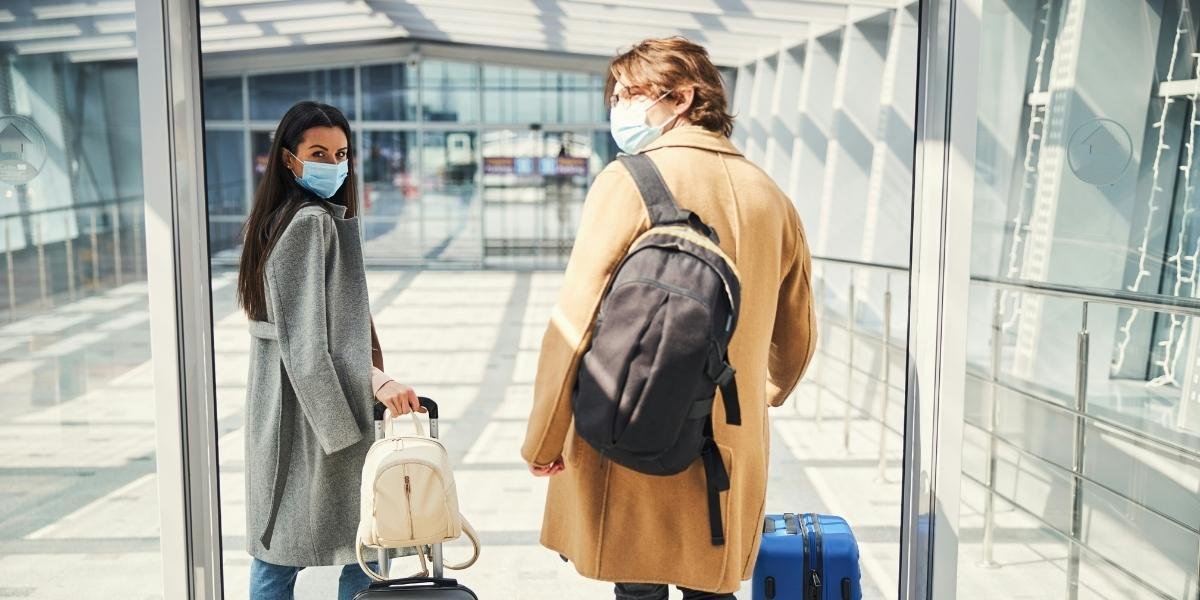
The rise is occurring during heavy domestic travel. The Transportation Security Administration projected nearly 18.7 million passenger screenings between June 30 and July 6, with several days near 2.9 million travelers passing through checkpoints.
Those figures do not prove that travel caused California’s increase. They show that more people moved through airports, airplanes, hotels, restaurants, and shared transportation as COVID indicators began rising.
Crowded indoor spaces can create opportunities for respiratory viruses to spread during extended close contact. Summer gatherings also connect travelers from different communities, which can move infections between regions.
California’s travel season has included increased road traffic and attention to holiday travel costs. Whether traveling by air or car, residents may encounter crowded attractions, gatherings, events, and indoor venues.
Public health guidance does not treat travel as uniformly unsafe. Concern depends on local activity, the setting, personal health factors, and whether travelers will spend time with people at higher risk.
Wastewater Data Provides an Earlier Signal
Wastewater surveillance has become more important because reported case counts no longer capture infections as completely. Many people test at home, do not report results, or do not test.
SARS-CoV-2 can be detected in sewage from people with and without symptoms. The CDC says wastewater monitoring can identify changes before clinical testing or hospital data show the same movement.
The agency classifies wastewater viral activity as very low, low, moderate, high, or very high. Statewide values represent median readings across participating treatment plants, so local communities can move differently.
That variation is visible in California. San Francisco officials reported increases in wastewater detections and test positivity, while Santa Clara County described coronavirus levels in wastewater from San José and Palo Alto as high. Those readings do not establish statewide conditions.
Wastewater has limits. Coverage varies, reports can be revised, and a community reading cannot determine whether a traveler was exposed. Its main value is showing direction and comparing regional changes.
Travelers can check local dashboards, test when symptoms develop, improve ventilation, and use a well-fitting mask in crowded indoor spaces. These measures can be adjusted to the setting and personal risk.
People at higher risk who test positive can contact a health care professional promptly to discuss treatment. Anyone with trouble breathing, persistent chest pain, confusion, or other symptoms should seek urgent medical care.
For California residents and visitors, COVID is rising from a low baseline. Indicators do not show a statewide emergency, but they support closer attention to local data and personal risk during summer travel.
Frequently Asked Questions
Is COVID Rising in California?
Yes. California test positivity and wastewater indicators increased in July, although hospitalization and other severe illness measures remained very low.
Did Summer Travel Cause the Increase?
The data do not establish that travel caused the rise. Heavy travel creates more close-contact opportunities, but seasonal patterns and local transmission also affect COVID activity.
Why Do Officials Use Wastewater Data?
Wastewater can detect viral circulation from people who may not seek testing or report home-test results. It can provide an early community-level signal before changes appear in hospitals.
What Can California Travelers Do?
Travelers can check local data, test when sick, and consider masks in crowded indoor settings. People at higher risk can ask a health care professional about vaccination and treatment timing.