California peach growers in the Yuba-Sutter region are removing clingstone orchards and planting almond trees after Del Monte closed its Modesto cannery and cancelled grower contracts. The changes have left farmers facing lost income, tree-removal costs and several years of waiting before new almond orchards begin producing.
Key Takeaways
- Del Monte’s Modesto cannery closure ended contracts with dozens of California clingstone peach growers.
- Some Yuba-Sutter farmers are removing peach orchards and replacing them with almond trees.
- California’s canning-peach harvest is expected to fall about 29% this year.
- A $10.5 million tree-removal program is helping growers address losses from cancelled peach contracts.
- Almond planting is increasing among some affected growers despite uncertainty over future market conditions.
Del Monte Closure Ends Contracts With California Peach Growers
The closure of Del Monte’s Modesto cannery has left dozens of California clingstone peach growers without the contracts they had relied on to sell their crops. Farmers in the Yuba-Sutter region are responding by removing peach trees and preparing land for other crops, with almonds becoming one of the replacement options.
The closure follows the shutdown of Del Monte’s Modesto and Hughson canneries, which previously processed clingstone peaches grown in California’s Central Valley. A previous report on the closures documented plans to remove hundreds of thousands of peach trees from affected orchard acreage.
The loss of contracts has also disrupted farm income. Growers who remove productive orchards must absorb the cost of taking out trees while also facing a period in which replacement almond trees will not yet generate returns.
The situation has created a direct financial gap for affected farms. Farmers are spending money to remove existing peach orchards and establish new almond acreage while waiting several years for the replacement trees to produce.
The closure therefore affects more than the current peach harvest. It has changed the crop decisions facing farmers who had planned their land and operations around contracts with Del Monte.
Yuba-Sutter Farmers Remove Clingstone Peach Orchards
Yuba-Sutter farmers make up most of California’s canning-peach growers, making the region a central part of the changes following the Del Monte closure. Some growers are removing peach acreage rather than maintaining orchards without the same buyer arrangements.
The affected crop is clingstone peaches, a variety associated with canning rather than fresh-fruit sales. The distinction matters because growers cannot simply redirect the same crop to the fresh market when processing contracts disappear.
Some farmers are removing trees that were planted only a few years earlier. Those orchards had not necessarily generated enough revenue to recover the costs of planting and maintaining them before the contracts ended.
The cost of removing an orchard adds another expense to farms already dealing with lost crop income. Farmers also have to prepare the soil and establish a new crop after the peach trees are removed.
The changes are taking place while the state’s canning-peach harvest is expected to decline sharply. California’s canning-peach harvest is projected to fall about 29% this year, reflecting the reduction in production following the loss of the Del Monte processing outlet.
For growers in the Yuba-Sutter area, the immediate decision is therefore both agricultural and financial. Peach trees must either remain in the ground with a buyer arrangement or be replaced with another crop that can support the farm over the longer term.
Almond Trees Replace Peach Acreage on Affected Farms
Almonds have become one of the crops selected by affected California peach growers. Farmers are adding almond trees to existing almond acreage or planting new orchards on land previously used for clingstone peaches.
The choice provides farmers with an alternative crop rather than leaving peach acreage without a clear production plan. Almond planting, however, does not produce an immediate replacement for the income lost from the cancelled peach contracts.
New almond orchards require several years before they begin producing enough to generate returns. Growers who move from peaches to almonds therefore face a period of spending without the same near-term crop revenue.
The decision is also being made despite uncertainty about future almond market conditions. Almond planting is increasing among some affected growers because farmers see the crop as an available option with established buyers and contracts.
California agriculture already includes substantial almond production alongside other tree crops. Regional farming operations also face questions involving water availability, labor and production costs, issues discussed in coverage of Central Valley agriculture challenges.
For affected growers, the decision comes down to the available alternatives for their land after the loss of Del Monte contracts. Some are choosing almonds, while others are considering different crops or leaving fields out of production.
The replacement of peach trees with almond trees will also change the crop mix of individual farms. Growers who previously depended on clingstone peaches are adding another permanent tree crop to their operations, with the costs and production timeline that come with establishing a new orchard.
Almond Market Conditions
Almonds provide an established agricultural market for California farmers, but planting new acreage does not remove the financial risks created by the Del Monte closure. Growers must pay for trees and orchard establishment before receiving income from the new crop.
The period between planting and production is especially important for farmers who lost annual peach revenue. A new almond orchard cannot immediately replace a cancelled peach contract, leaving growers responsible for operating costs during the establishment period.
California Canning Peach Production Falls After Cannery Closure
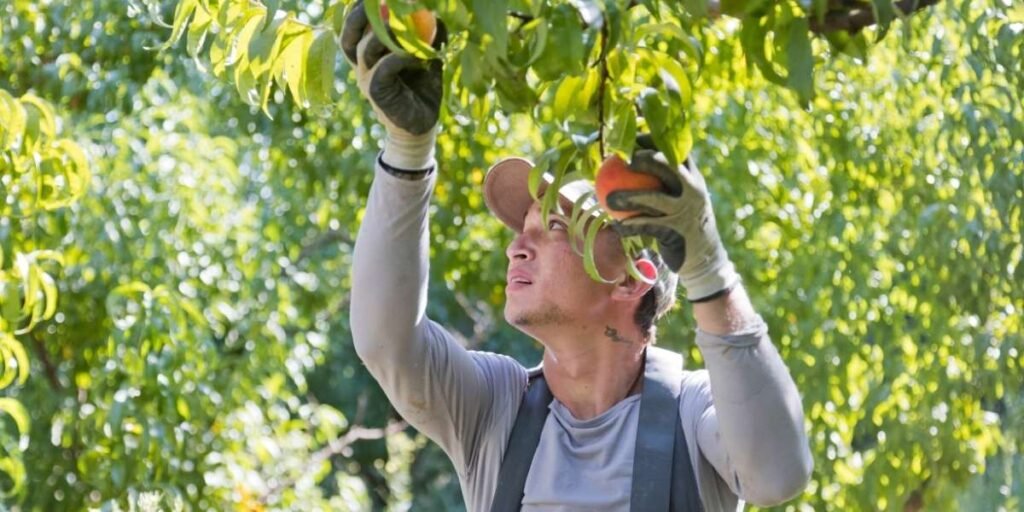
The Del Monte cannery closure has reduced the amount of canning-peach production that California growers can place with major processors. The state’s canning-peach harvest is expected to fall about 29% this year.
The decline is connected to the loss of the Del Monte processing outlet and the resulting reduction in contracted acreage. Dozens of grower contracts were cancelled, leaving farmers with fewer guaranteed outlets for clingstone peaches.
The remaining canning-peach market also faces a more concentrated processing structure. With Del Monte’s Modesto facility closed, affected growers have had to consider whether another buyer can support their existing orchards.
A $10.5 million tree-removal program is helping address the losses faced by growers whose peach contracts were cancelled. The funding is intended to help farmers remove trees and manage the costs associated with reducing canning-peach acreage.
Tree removal changes the production base rather than restoring the lost contracts. Once peach orchards are removed, farmers must decide whether to plant another crop, maintain the land without immediate production or make another agricultural investment.
The reduction in canning-peach acreage also affects the volume of California peaches available for processing. The change is concentrated among growers connected to the cancelled Del Monte contracts, particularly in the Yuba-Sutter region.
Frequently Asked Questions
Why are California peach growers planting almond trees?
Some California peach growers are replacing clingstone peach orchards with almond trees after Del Monte’s Modesto cannery closure cancelled grower contracts. Almonds provide an alternative crop for affected farmland, although new orchards require several years before producing returns.
What happened to Del Monte’s Modesto cannery?
Del Monte closed its Modesto cannery, ending contracts with dozens of California clingstone peach growers. The closure removed a major processing outlet for farmers who had produced peaches for canning.
How much has California canning peach production declined?
California’s canning-peach harvest is expected to fall about 29% this year. The decline follows the loss of Del Monte’s processing capacity and the cancellation of grower contracts.
Which California region has most of the state’s canning peach growers?
The Yuba-Sutter region accounts for most of California’s canning-peach growers. Farmers in the area are among those replacing clingstone peach orchards after the Del Monte closure.
How are former Del Monte growers replacing their peach orchards?
Some former Del Monte growers are removing clingstone peach trees and planting almond trees. The transition requires tree-removal and orchard-establishment costs, while new almond trees take several years to produce returns.