
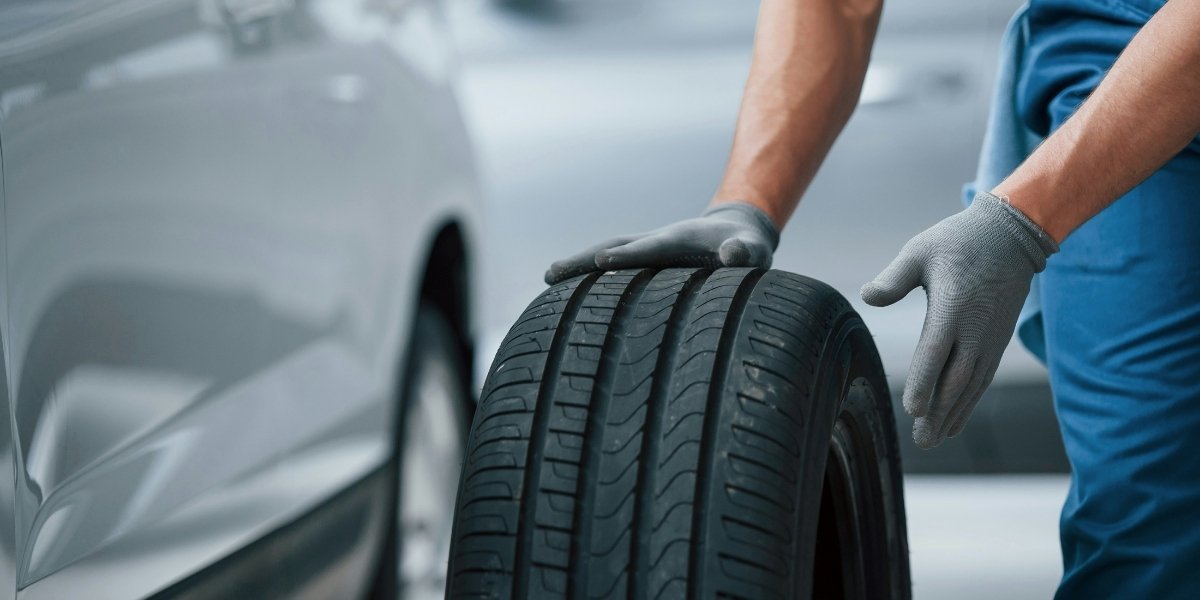
The new California tire rules are set to reshape the replacement-tire market beginning in 2029 after the California Energy Commission approved new efficiency standards on Aug. 17, 2026. The program targets energy use and wet-road performance. Drivers will see how the phased standards work, what the state projects they could save and which tires remain outside the main requirements.
Key Takeaways
- The California Energy Commission approved the Replacement Tire Efficiency Program on Aug. 17, 2026.
- The first phase begins in 2029, with tighter requirements starting in 2033.
- The CEC projects nearly $1 billion a year in statewide gasoline and electricity savings.
- The agency estimates a typical gasoline-car driver could save $179 in fuel over the life of a qualifying tire set under later-phase assumptions.
- Certain competition, off-road, winter and other specialty tires are excluded or treated separately.
The California Energy Commission approved the Replacement Tire Efficiency Program for replacement tires sold for passenger vehicles and light-duty trucks. The unanimous Aug. 17 vote moves the rules toward a first compliance phase in 2029.
The central issue is rolling resistance, or the energy a tire loses as it rolls. The CEC says original-equipment tires fitted to new vehicles are generally more efficient than average replacement tires. A less-efficient replacement set can increase gasoline or electricity use.
CEC Chair David Hochschild said the action would help Californians “save approximately $1 billion a year on refueling.” The figure is an agency projection, not a guaranteed saving for individual motorists.
California Tire Rules Start With a 2029 Phase-In
The first phase of the California tire rules begins in 2029. A second, tighter phase starts in 2033, when the program is scheduled to reach its full performance level.
The standards focus on replacement tires rather than tires already mounted on vehicles. In practice, the rule changes which covered replacement tires can be sold in California as the market enters the compliance period. It does not create a general deadline requiring drivers to discard tires currently in use.
The CEC developed the program after laboratory testing and a multiyear stakeholder process. The commission says replacement tires that already meet the planned efficiency levels are available, giving manufacturers time to adjust other products before the requirements take effect.
The rules also matter to electric vehicles because rolling resistance affects the energy needed to keep a vehicle moving. That places tire efficiency alongside other vehicle-cost developments, including the state’s electric vehicle rebate program.
Fuel Savings Drive the New Tire Standards

The CEC estimates that the program could reduce statewide gasoline and electricity spending by nearly $1 billion each year. Actual savings will depend on factors including fuel prices, electricity rates, mileage, vehicle type and tire selection.
For Phase 1, the agency estimates an added cost of about $1.50 per tire and net four-year savings of about $79 for a gasoline passenger car or SUV. For Phase 2, beginning in 2033, it estimates an added cost of about $6.50 per tire and net savings of about $153 over four years.
The commission also estimates that a typical gasoline-car driver could save about $179 in gasoline over the life of a more efficient tire set under the later phase. That calculation assumes gasoline at $4.60 per gallon, so actual results could rise or fall with pump prices.
For motorists tracking costs after the California gas tax increase, the tire standards represent a separate factor tied to vehicle efficiency rather than taxes or retail fuel pricing.
The state projects the program could eventually reduce gasoline demand by about 141 million gallons a year and electricity demand by roughly 0.9 terawatt-hours annually. Those figures are statewide forecasts from the CEC rather than fixed outcomes for individual vehicles.
Wet-Grip Standards and Exemptions Shape Compliance
Efficiency is not the only part of the framework. The Replacement Tire Efficiency Program also includes a minimum wet-grip standard, which the CEC presented during rulemaking as a safety measure alongside lower rolling resistance.
The commission says its laboratory testing and industry data indicate that higher efficiency does not inherently require shorter tread life or lower safety performance. That is an agency finding based on the evidence used in the rulemaking process.
Not every tire is treated the same. The CEC lists exclusions for products including competition tires, winter-type snow tires, all-season winter performance tires, used and retreaded tires, certain off-road tires, motorcycle tires and temporary-use spare tires. Separate categories also account for characteristics such as long life and ultra-high performance.
For consumers, the change will arrive gradually rather than through an immediate requirement at repair shops. Covered replacement tires entering the California market will have to satisfy the applicable phase, while excluded or specialized products will follow their respective treatment.
The California tire rules therefore center on replacement tires sold in the years ahead, with 2029 as the first major compliance date and 2033 as the start of the tighter phase. The financial effect for any driver will depend on the vehicle, mileage, tire choice and energy prices.
Frequently Asked Questions
When do the California tire rules begin?
The first phase begins in 2029, according to the California Energy Commission. A tighter second phase starts in 2033.
Do drivers have to replace their current tires?
No general replacement deadline is imposed on tires already in use. The program focuses on covered replacement tires sold in California as the standards take effect.
How much could drivers save?
The CEC estimates a typical gasoline-car driver could save about $179 in fuel over the life of a more efficient tire set under its later-phase assumptions. Individual savings will vary with mileage, fuel prices, vehicle efficiency and tire choice.
Do the rules include a safety standard?
Yes. The program includes a minimum wet-grip requirement, and the CEC says its testing did not identify an inherent trade-off between improved efficiency and safety or tire life.
Are all replacement tires covered?
No. The new California tire rules include exclusions and separate treatment for several competition, winter, off-road, used, retreaded and specialty tire categories.