
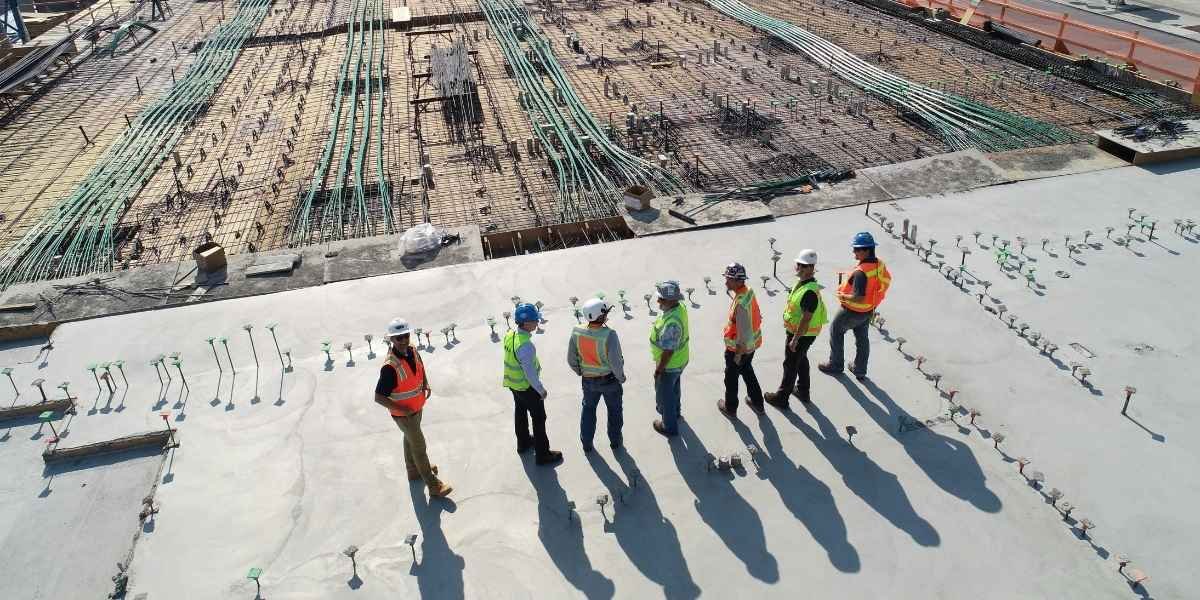
Construction started this spring on Bolsa Pacific, a large-scale redevelopment project replacing the former Westminster Mall with a mixed-use community that will include roughly 2,250 homes, retail space, hospitality offerings, and public areas.
The project occupies an 83-acre site at Bolsa Avenue and Edwards Street in Orange County. Demolition began with the removal of the mall’s sign, marking the end of the retail era after decades of declining foot traffic.
Bolsa Pacific’s design spans housing, commercial spaces, and public amenities. A 120-room hotel and approximately 220,000 square feet of retail and dining space are planned. Residential options range from townhomes and apartments to units with below-market rent provisions. Fifteen acres are set aside for parks, promenades, and walking paths to serve both residents and visitors.
The development represents one of the largest transformations of a mall site in Southern California. Work is scheduled to continue over several years, with phases that will bring new homes, shops, and recreational spaces to the area.
Shift in Land Use Across Orange County
Southern California has seen multiple mall sites repurposed for residential and mixed-use projects. Cities and developers are adjusting zoning to allow more housing on properties that previously focused on retail. This trend reflects shifts in consumer shopping habits and housing demand.
Westminster Mall’s redevelopment is part of a regional pattern. Large parcels that once hosted enclosed shopping centers or big-box stores are being converted into new urban districts with housing, commercial activity, and community amenities. These projects often include open space, pedestrian access, and connectivity to surrounding neighborhoods.
Vision for the New Community
City officials and developers emphasize a community-focused approach. Plans highlight pedestrian-friendly streetscapes, public parks, and spaces designed for social interaction. Approximately 2,250 residential units will accommodate a variety of households. Retail areas include anchor stores and a public food hall intended to support local commerce.
The 15 acres of public space feature walking trails, landscaped plazas, and recreational areas. Officials describe these areas as central to the project, providing opportunities for gatherings, exercise, and leisure. The mixed-use nature is intended to blend housing, commerce, and public amenities into a cohesive district.
Historical Context and Transformation
Westminster Mall opened in 1974 and at its peak hosted more than 160 stores. Declining retail traffic and anchor store closures left the site vacant by late 2025. The property had become a point of concern for underuse and occasional vandalism.
Bolsa Pacific represents a departure from the mall’s original role. The new plan reconfigures the property into a multi-purpose urban district, connecting homes, shops, and public spaces to surrounding neighborhoods. This approach reflects changing expectations for large-scale urban parcels and responds to current development priorities.
Other Projects in Southern California
Similar mall-to-housing projects have emerged in nearby areas. Planning efforts for other sites include residential units, retail, entertainment, and green space. At Simi Valley Town Center, developers propose repurposing parking lots and underused retail space to create housing and public areas pending local approvals.
These projects reflect a wider regional effort to repurpose aging commercial sites. Urban planners and developers aim to meet housing needs while maintaining accessibility and amenities. Redeveloped mall sites are increasingly seen as locations that can accommodate residential, retail, and recreational needs in one district.
Connectivity and Accessibility
Bolsa Pacific’s location near the 405 freeway provides access to major transportation routes. Residential units, retail shops, and parks are integrated to encourage walkability and neighborhood interaction. Officials note that proximity to transit and roads is an important factor for residents and visitors.
City planners describe the development as an example of rethinking underused retail sites to provide housing, public amenities, and commercial activity. If completed according to current plans, Westminster’s redevelopment will be one of the largest mall-to-housing transformations in Southern California, offering a model for similar projects elsewhere.